NASA Preps Second Artemis 2 Fueling Test After Leak Fix
NASA targets February 19 for a second wet dress rehearsal of the Artemis 2 SLS rocket after technicians replaced seals and a filter following a hydrogen leak during the first test, with launch possible as early as March 6.
A Critical Rehearsal Before Humanity Returns to the Moon
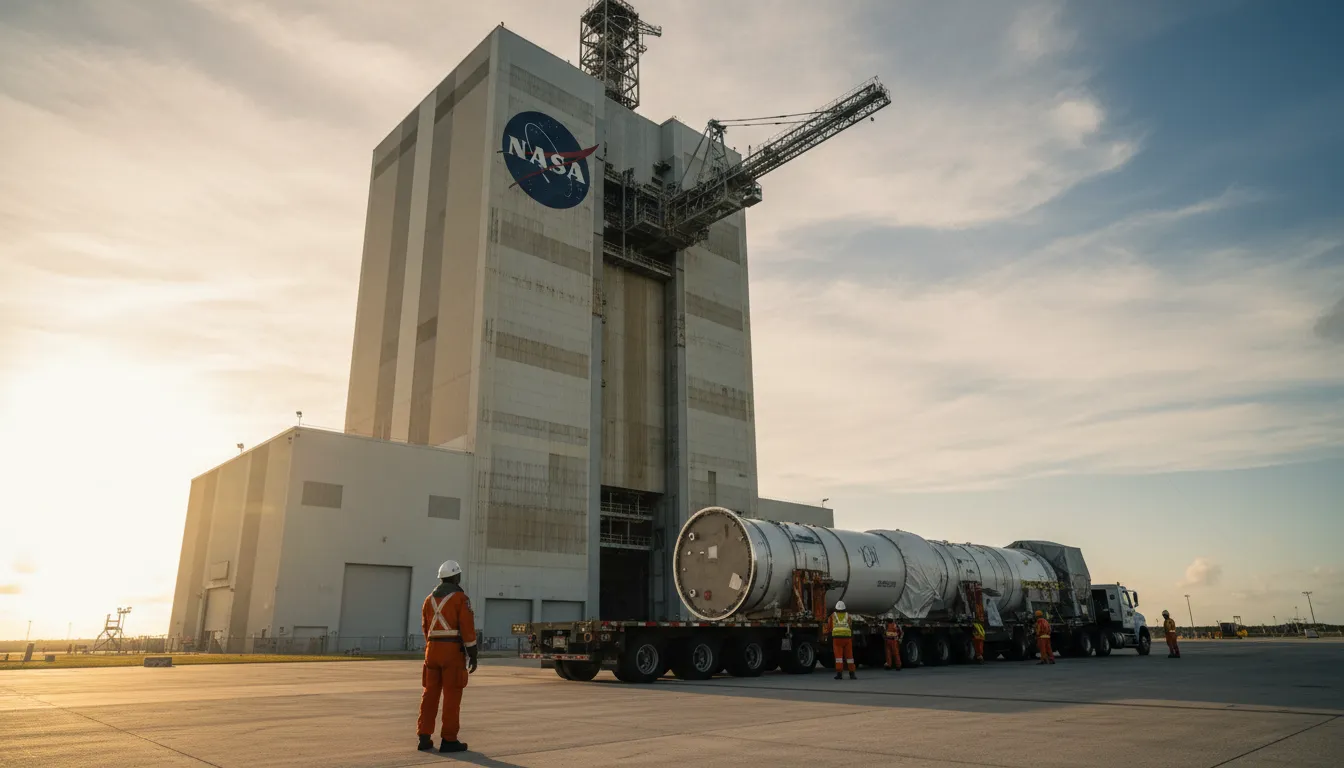
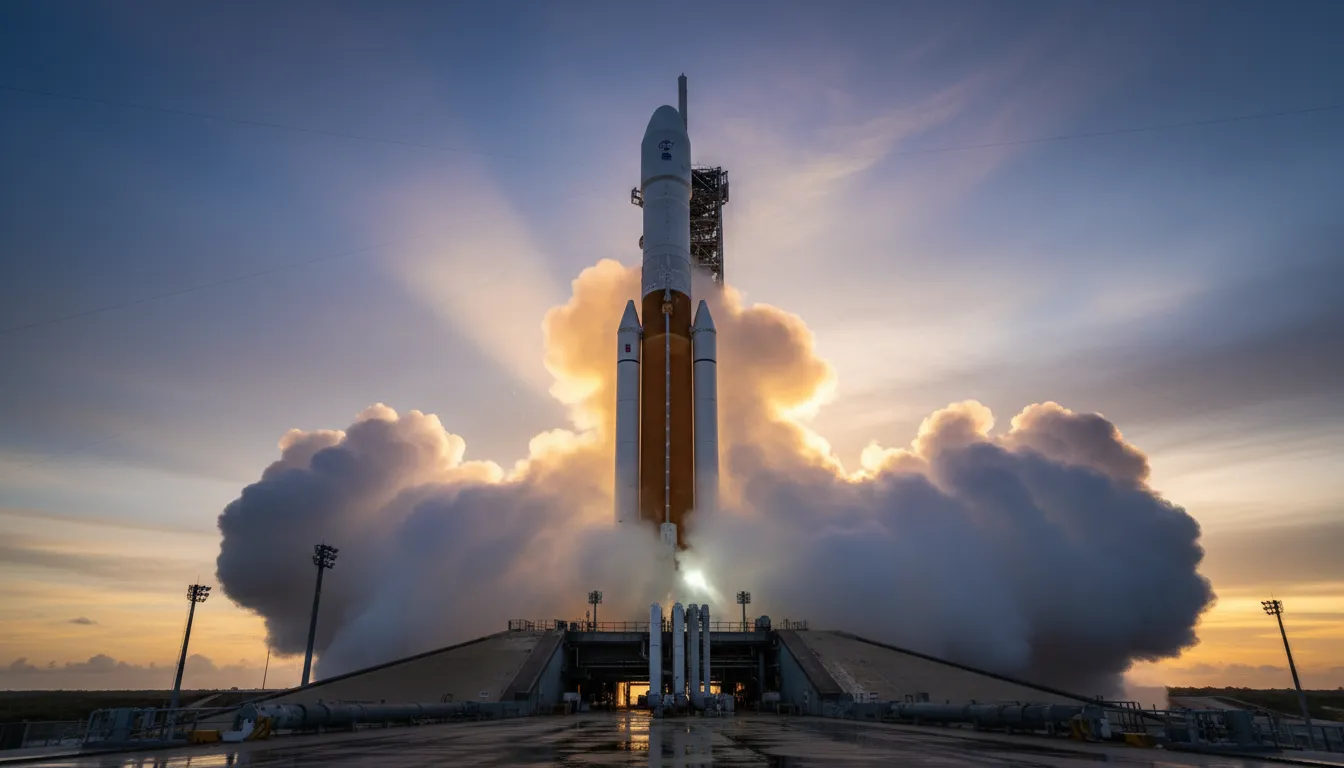
NASA is set to attempt a second fueling test of its Space Launch System (SLS) rocket on February 19, a pivotal step toward launching Artemis 2 -- the first crewed mission to the Moon since Apollo 17 in 1972. The wet dress rehearsal at Kennedy Space Center in Florida will determine whether repairs to the rocket's ground support equipment have resolved hydrogen leaks that plagued the first test earlier this month.
If all goes well, four astronauts could be on their way to lunar orbit as early as March 6, marking a historic milestone in humanity's return to deep space.
What Went Wrong the First Time
The first wet dress rehearsal, conducted on February 2-3, ran into trouble almost immediately. Engineers encountered two separate hydrogen leaks while loading more than 750,000 gallons of cryogenic propellant into the SLS core stage. The first leak appeared during the "fast fill" phase when the hydrogen tank was roughly 55% full. A second, more stubborn leak emerged during pressurization of the core stage tanks.
Despite hours of troubleshooting -- including warming seals in the quick-disconnect fittings and adjusting propellant flow -- the leaks persisted. The automated Ground Launch Sequencer halted the countdown at T-minus 5 minutes and 15 seconds after detecting a spike in hydrogen leak rates. NASA promptly ruled out launching during the February window and shifted its target to March.
Launch Director Charlie Blackwell-Thompson told reporters the cause was likely "some sort of misalignment or some sort of deformation or debris on the seal" at the umbilical plate connecting launch pad fuel lines to the rocket's first stage.
Repairs and a New Filter
In the two weeks since, technicians have worked methodically to address the problem. They replaced two seals around fueling lines connected to the tail service mast umbilical on the mobile launcher. A partial fueling test on February 12 then revealed a separate issue: a clogged filter in the ground support equipment was restricting liquid hydrogen flow. That filter has since been replaced.
NASA has also extended two planned countdown holds by 30 minutes each, adding an extra hour of troubleshooting time during the rehearsal -- a pragmatic buffer that will not affect launch-day timelines.
What to Expect on February 19
The nearly 50-hour countdown began on the evening of February 17, with tanking operations targeting Thursday, February 19, and a simulated launch time of 8:30 p.m. EST. This time, operators plan to run two full terminal countdown sequences -- the final ten minutes before liftoff -- pausing at T-minus 1 minute 30 seconds and again near T-minus 30 seconds before recycling the clock. Teams will also practice scrub procedures and tank draining.
While the Artemis 2 crew is not participating in this rehearsal, personnel will practice spacecraft closeout operations at the launch pad, including sealing Orion's hatches.
The Crew and the Mission
If the test succeeds and data reviews check out, NASA astronauts Reid Wiseman, Victor Glover, and Christina Koch, along with Canadian Space Agency astronaut Jeremy Hansen, will fly a 10-day mission around the Moon. The crew will travel to lunar vicinity over three days, observe the far side of the Moon -- portions of which no human has ever seen up close -- and return for splashdown in the Pacific Ocean off San Diego.
Five launch opportunities exist between March 6 and 11, with backup windows in April. The mission represents more than a test flight; it validates the Orion spacecraft's life support systems with a crew aboard for the first time, paving the way for Artemis 3, which aims to land astronauts on the lunar surface.
Persistent Challenges
Hydrogen leaks have haunted the SLS program since before the Artemis 1 uncrewed launch in November 2022, which also suffered fueling delays. As Space.com has reported, the rocket's extremely low flight rate -- just its second launch in over three years -- means ground equipment sits idle for long periods, making seal degradation and hardware issues more likely. NASA officials maintain the problems are manageable, but each delay underscores the engineering complexity of returning humans to deep space.