Global Climate Action Falls Short: Emissions Gap Remains Vast After COP30
Despite COP30 commitments from 119 countries representing 74 percent of global emissions, current national climate plans deliver less than 15 percent of the reductions needed to limit warming to 1.5 degrees Celsius. Projected 2035 emissions remain mo
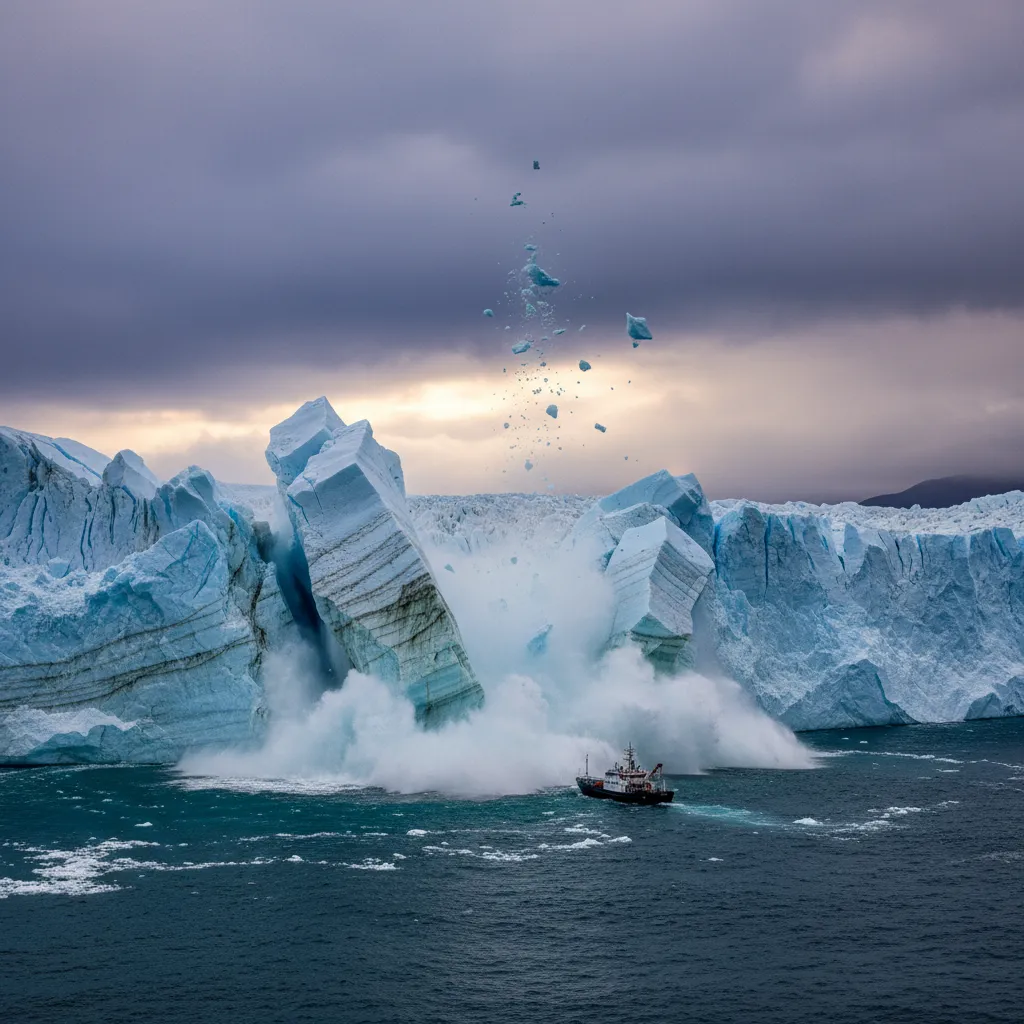
The global fight against climate change faces a stark reality check in 2026. Despite progress at COP30 and new commitments from nations representing nearly three-quarters of global emissions, the gap between climate pledges and the reductions needed to limit warming to 1.5 degrees Celsius remains vast.
COP30 Outcomes
By the end of COP30, 119 countries representing 74 percent of global emissions had submitted new nationally determined contributions (NDCs). UN Secretary-General Antonio Guterres acknowledged that "COP30 has delivered progress" but urged countries to go further through deep and rapid emission cuts and credible plans to transition away from fossil fuels toward clean energy.
However, these commitments collectively deliver less than 15 percent of the emissions reductions required by 2035 to hold global temperature rise to 1.5 degrees Celsius above pre-industrial levels.
The Emissions Gap
The numbers tell a sobering story. Under current NDCs and long-term targets, global emissions are projected to reach 53 to 57 gigatonnes of CO2 equivalent in 2030 and 48 to 52 gigatonnes in 2035. A 1.5-degree pathway would require emissions to fall to 27 gigatonnes by 2030 and 21 gigatonnes by 2035.
Even if all current NDCs were fully implemented, global emissions in 2035 would still be more than double the level required for 1.5-degree compatibility, representing a 125 to 150 percent overshoot.
Implementation Challenges
Beyond the ambition gap, implementation remains a major concern. Many countries have submitted ambitious targets on paper but lack the domestic policies, financing, and institutional capacity to deliver on their promises. The divide between developed and developing nations on climate finance continues to be a source of tension.
Looking Ahead to COP31
The Global Implementation Accelerator will hold open information sessions in June and November 2026 before delivering a report and high-level meeting at COP31 in November 2026. Additionally, Colombia and the Netherlands will co-host the First International Conference on the Just Transition Away from Fossil Fuels in 2026.
These events will test whether the international community can translate commitments into concrete action at the pace and scale the climate crisis demands.
The Stakes
Scientists warn that every fraction of a degree of additional warming increases the frequency and intensity of extreme weather events, threatens food and water security, accelerates biodiversity loss, and disproportionately harms the world's most vulnerable populations. The window for meaningful action is narrowing rapidly.
Sources: World Resources Institute, NewClimate Institute, Climate Action Tracker