How Back-Channel Diplomacy Works—and Why
Back-channel diplomacy allows rival nations to negotiate in secret, bypassing public posturing. From the Cuban Missile Crisis to Kissinger's opening of China, these hidden talks have shaped history.
Negotiations Behind Closed Doors
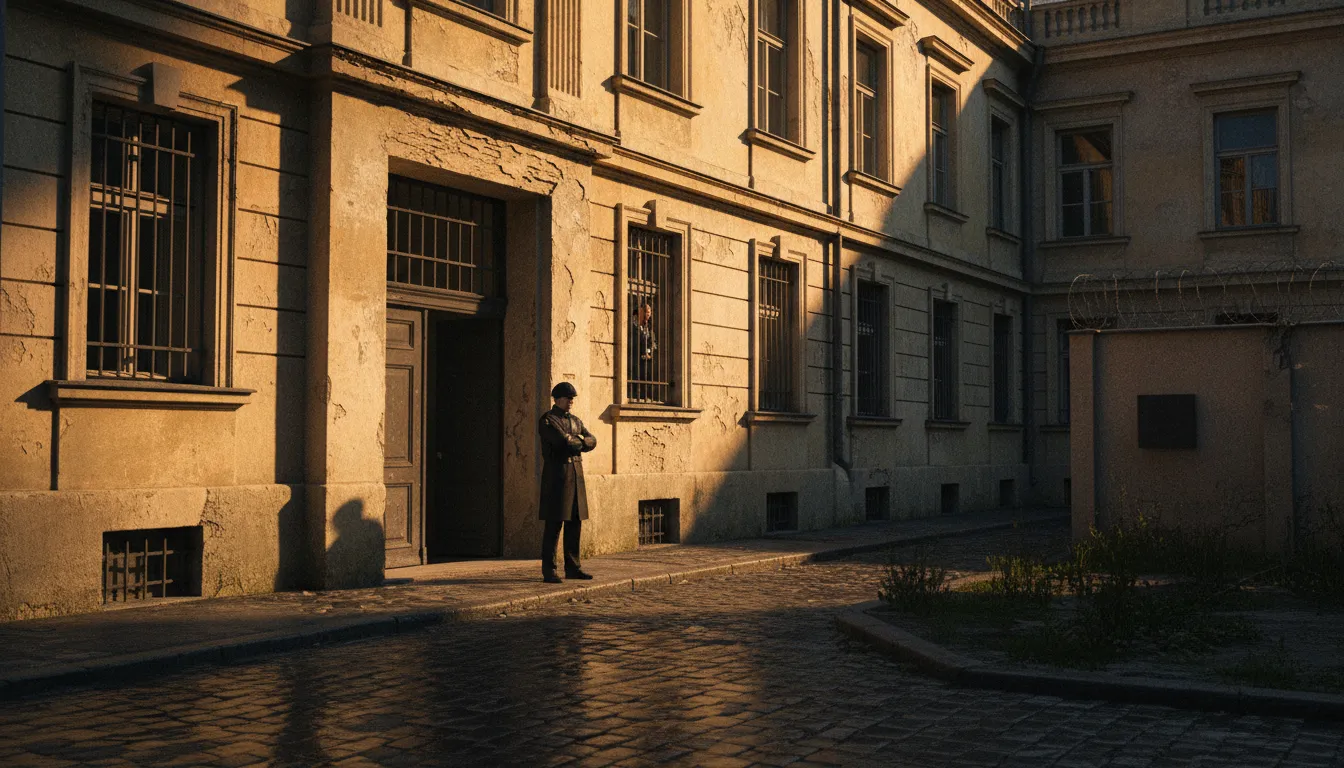
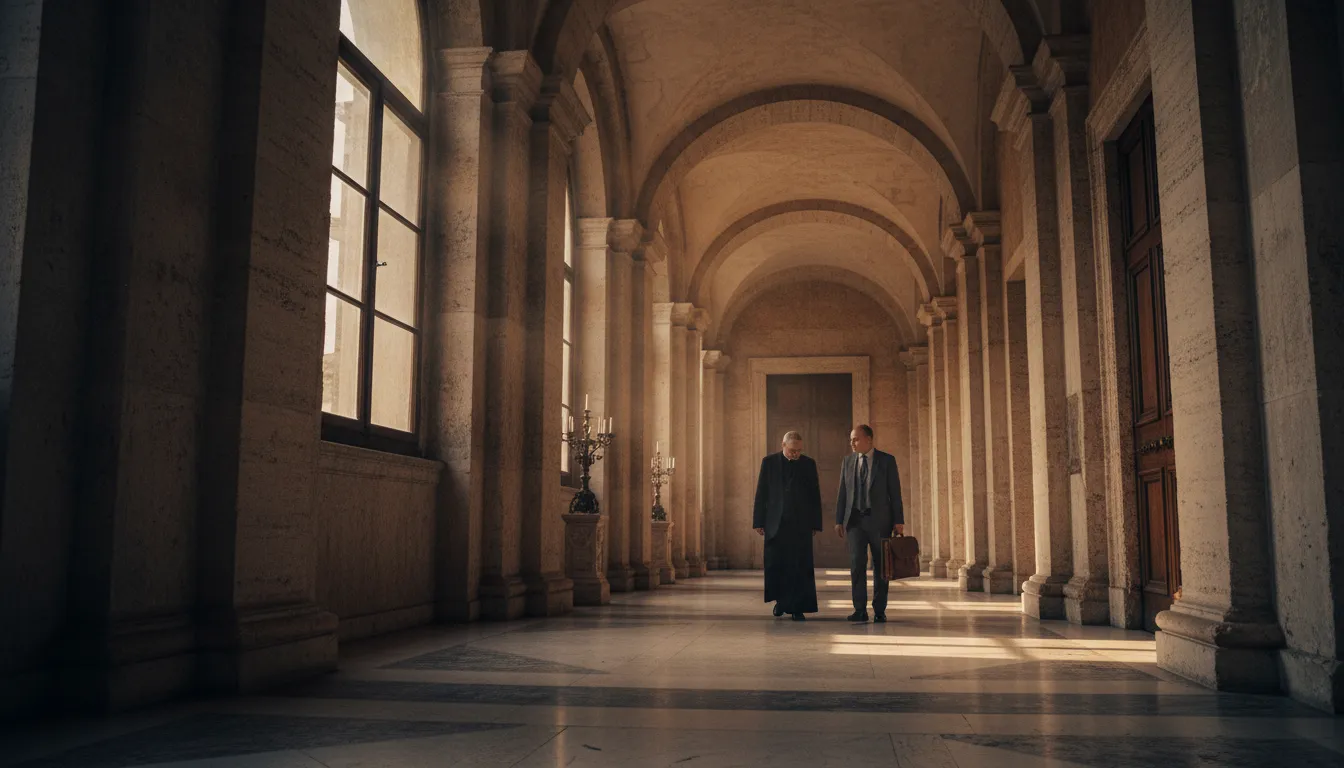
When nations are publicly at odds—trading threats, imposing sanctions, or waging war—formal diplomacy can grind to a halt. Leaders fear looking weak. Preconditions block talks before they begin. This is where back-channel diplomacy steps in: unofficial, secret communication between governments that bypasses bureaucratic structures and public scrutiny.
The practice is as old as statecraft itself, but it remains one of the most powerful tools in international relations. Whether through intelligence officers, trusted envoys, or sympathetic third countries, back channels let adversaries test ideas, float concessions, and build trust—all without the cameras rolling.
How It Actually Works
Back-channel negotiations typically share several features. First, they involve a small number of participants—often just two or three people on each side—chosen for their discretion and proximity to decision-makers. National security advisors, intelligence officials, and sometimes private citizens such as business leaders or religious figures serve as intermediaries.
Second, a neutral third party often facilitates contact. Countries like Oman, Norway, Qatar, and Pakistan have historically served as go-betweens, offering secure meeting venues and relaying messages when direct communication is politically impossible.
Third, the talks remain deniable. If a proposal is rejected, neither side loses face publicly. This freedom from audience pressure is the core advantage: negotiators can explore compromises that would be politically toxic if leaked prematurely.
Landmark Successes
Some of the most consequential diplomatic breakthroughs in modern history began in secret.
During the 1962 Cuban Missile Crisis, Attorney General Robert Kennedy met privately with Soviet Ambassador Anatoly Dobrynin. Their back channel produced a deal—the US would quietly remove missiles from Turkey in exchange for Soviet withdrawal from Cuba—that averted nuclear war. The arrangement remained secret for years.
In 1971, Henry Kissinger faked a stomach illness during a visit to Pakistan, then secretly flew to Beijing for the first high-level US-China contact in over two decades. Pakistan, a friend to both Washington and Beijing, served as the essential intermediary. The trip paved the way for President Nixon's historic 1972 visit and the eventual normalisation of relations.
The Oslo Accords of the 1990s began not in a government building but at a Norwegian farmhouse, where Israeli and Palestinian negotiators met in total secrecy before producing the first mutual recognition agreement between Israel and the PLO.
The Risks and Limits
Back channels are not without dangers. Research from Harvard's Program on Negotiation highlights several pitfalls. Parties may grow so comfortable with secrecy that they delay going public, creating costly impasses. When agreements finally surface, excluded stakeholders—legislators, allies, or the public—may reject deals they had no part in shaping.
There is also the problem of contradictory signals. When a government says one thing publicly and another privately, counterparts may struggle to know which message to trust. Kissinger's simultaneous back-channel dealings with the Soviets on arms control, conducted while official SALT I negotiations proceeded in Geneva, occasionally confused both tracks.
According to a working paper from American University, back channels work best when they supplement rather than replace formal diplomacy—opening doors that official negotiators can then walk through.
Why It Still Matters
In an era of social media, 24-hour news cycles, and performative politics, the space for quiet negotiation has shrunk dramatically. Yet the need for it has only grown. Back-channel diplomacy offers something no press conference can: the freedom to be honest, to explore uncomfortable trade-offs, and to step back from the brink without an audience watching.
As long as nations find themselves in conflicts too dangerous to fight and too politically charged to resolve in public, back channels will remain an indispensable—if invisible—part of how the world makes peace.