How Gold Prices Are Set and What Drives Them
Gold recently shattered the $5,000-per-ounce barrier for the first time in history. Here's how gold prices are actually determined — and why they move.
Why Gold Keeps Setting Records
Gold has long been humanity's preferred store of value, but lately it has been making financial history at a breathtaking pace. The precious metal surged past $5,000 per troy ounce in early 2026 — its biggest multi-year rally since the late 1970s. Yet few investors, let alone ordinary savers, understand the machinery behind those price moves. How is a gold price actually determined? And what forces can push it from $1,000 to $5,000 and beyond?
The Spot Price: The World's Benchmark
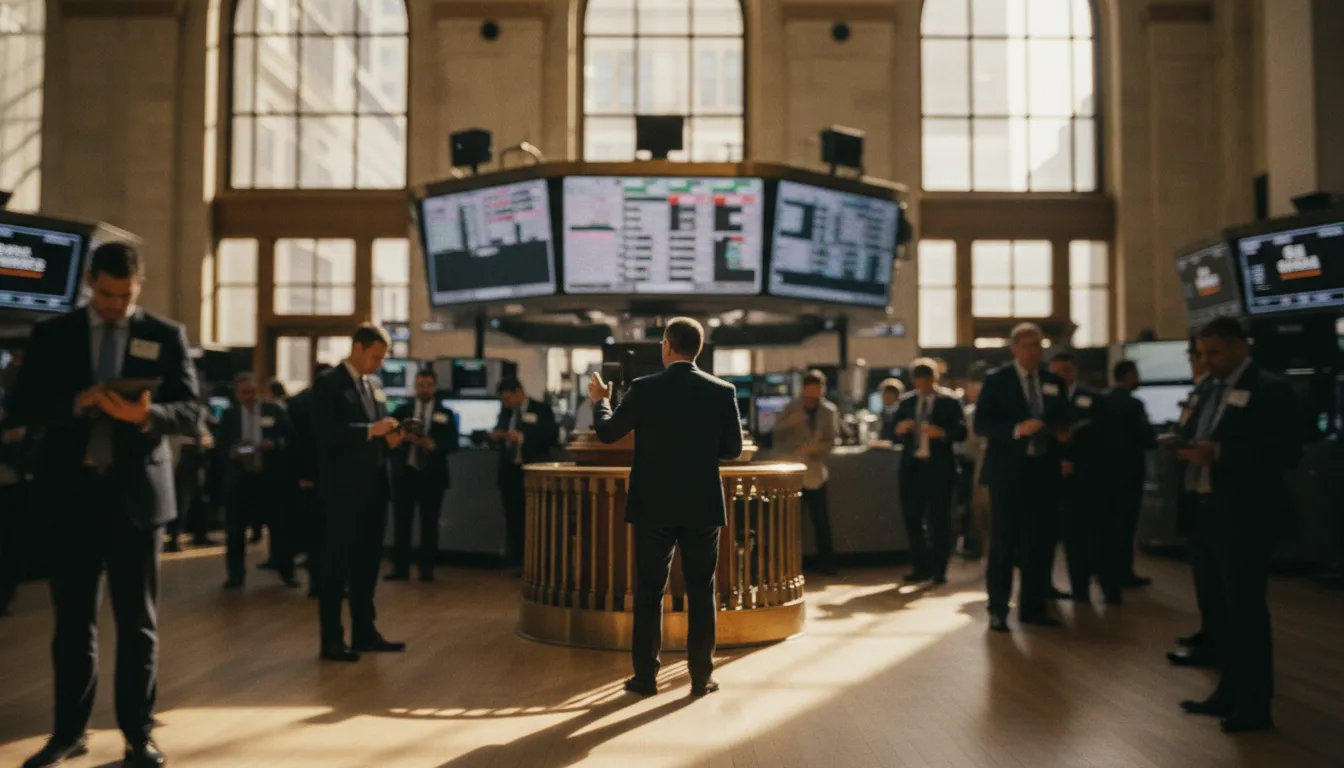
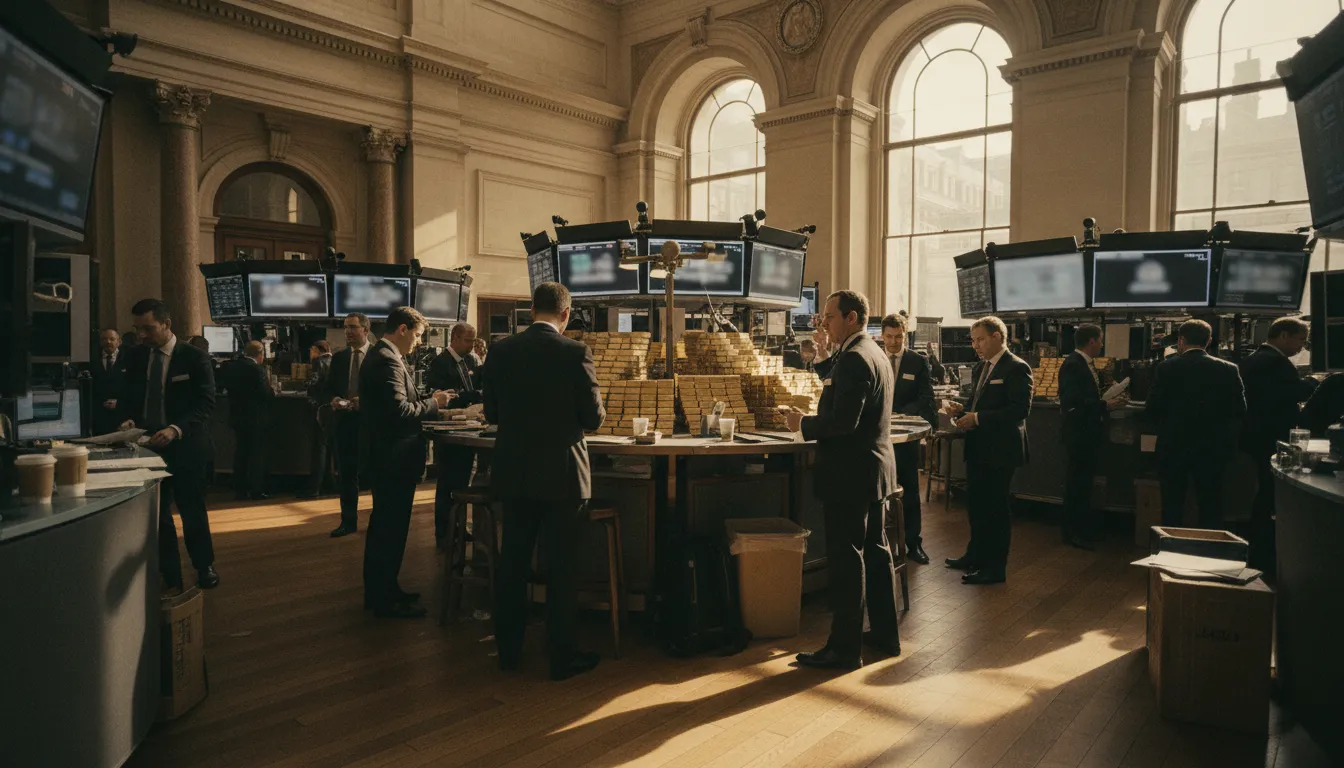
When financial news reports "the gold price," it almost always refers to the spot price — the price at which gold can be bought or sold for immediate delivery. This number is not set by any single authority. Instead, it emerges continuously from over-the-counter (OTC) trading between banks, dealers, and institutional investors operating around the clock across London, New York, Shanghai, and other major hubs.
The most important daily anchors are the twice-daily electronic auctions run by the London Bullion Market Association (LBMA) at 10:30 AM and 3:00 PM London time. More than 15 major banks submit buy and sell orders; an auction platform iteratively adjusts the price until supply and demand come into balance. The resulting figure — the LBMA Gold Price — is used to settle contracts, value reserves, and price physical gold worldwide.
Before 2015, this process was handled by a telephone call among five banks known as the "London Fix," a century-old tradition eventually replaced by the modern electronic system after price-manipulation scandals.
Futures Markets: New York's Role
Alongside London's spot auctions, the COMEX exchange in New York — part of the CME Group — runs the world's most active gold futures market. Each futures contract represents an agreement to buy or sell 100 troy ounces of gold at a specified price on a future date, with daily trading volume often exceeding 200,000 contracts.
Futures prices are typically slightly above spot prices, reflecting storage and financing costs over time. But they also embed market expectations: if traders believe gold will be in lower demand six months from now, futures can dip below spot. The two markets constantly influence each other, keeping prices closely aligned across time horizons, according to Scottsdale Bullion & Coin's market analysis.
What Actually Moves the Price
Understanding the mechanics of price-setting is only half the story. The more important question is: what drives demand for gold in the first place?
1. Geopolitical and Economic Uncertainty
Gold is the world's pre-eminent safe-haven asset. When wars break out, financial systems wobble, or political crises multiply, investors flee to gold because it holds value independent of any government or currency. The surge past $5,000 in 2026 coincided with a severe spike in geopolitical risk across multiple regions, reinforcing this centuries-old dynamic.
2. Central Bank Buying
Perhaps the most structural force reshaping gold markets in recent years is central bank demand. According to the World Gold Council's 2025 full-year report, central banks purchased over 1,000 tonnes per year in 2022, 2023, and 2024 — more than double the pre-2022 annual average. Nations including Poland, China, India, and Kazakhstan have been aggressive buyers, seeking to diversify away from the US dollar and hedge against financial sanctions.
3. Dollar Weakness and Inflation
Gold is priced in US dollars globally, so a weaker dollar automatically makes gold cheaper for buyers using other currencies — boosting demand and pushing prices up. Separately, gold is widely viewed as a hedge against inflation: when the purchasing power of paper money erodes, gold's finite supply makes it attractive as a store of value. J.P. Morgan's commodity research identifies dollar weakness and stagflation concerns as key drivers of the 2025–2026 rally.
4. ETF and Retail Demand
Gold exchange-traded funds (ETFs) allow ordinary investors to buy exposure to gold without holding physical metal. When sentiment turns bullish, ETF inflows surge — amplifying price moves. During the 2026 rally, Bullion Trading LLC noted that ETF inflows returned to levels last seen during major financial crises.
Limited Supply, Unlimited Headlines
One often-overlooked factor: gold mine supply grows only about 1–2% per year, and all the gold ever mined in human history would fill roughly three and a half Olympic swimming pools. This structural scarcity means that when demand accelerates — from central banks, ETFs, or fearful savers — supply cannot quickly catch up, amplifying price swings in both directions.
Whether gold continues its historic climb or pulls back, the forces shaping its price — geopolitics, monetary policy, central bank strategy, and investor sentiment — remain among the most revealing indicators of how the world is feeling about risk.