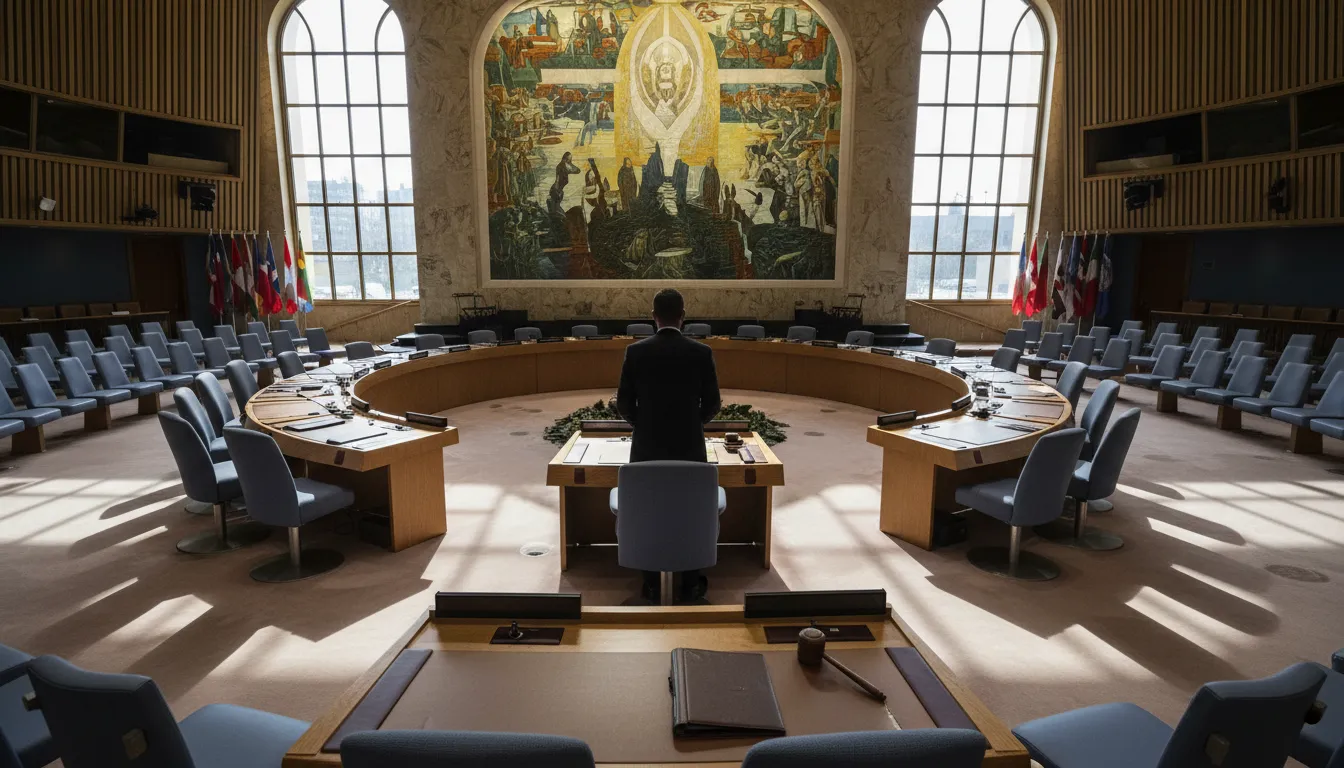
How Martial Law Works—and Why Democracies Fear It
Martial law replaces civilian government with military authority during emergencies. Here is how it gets declared, what happens to civil rights, and why even democracies have abused it.
When the Military Takes Over
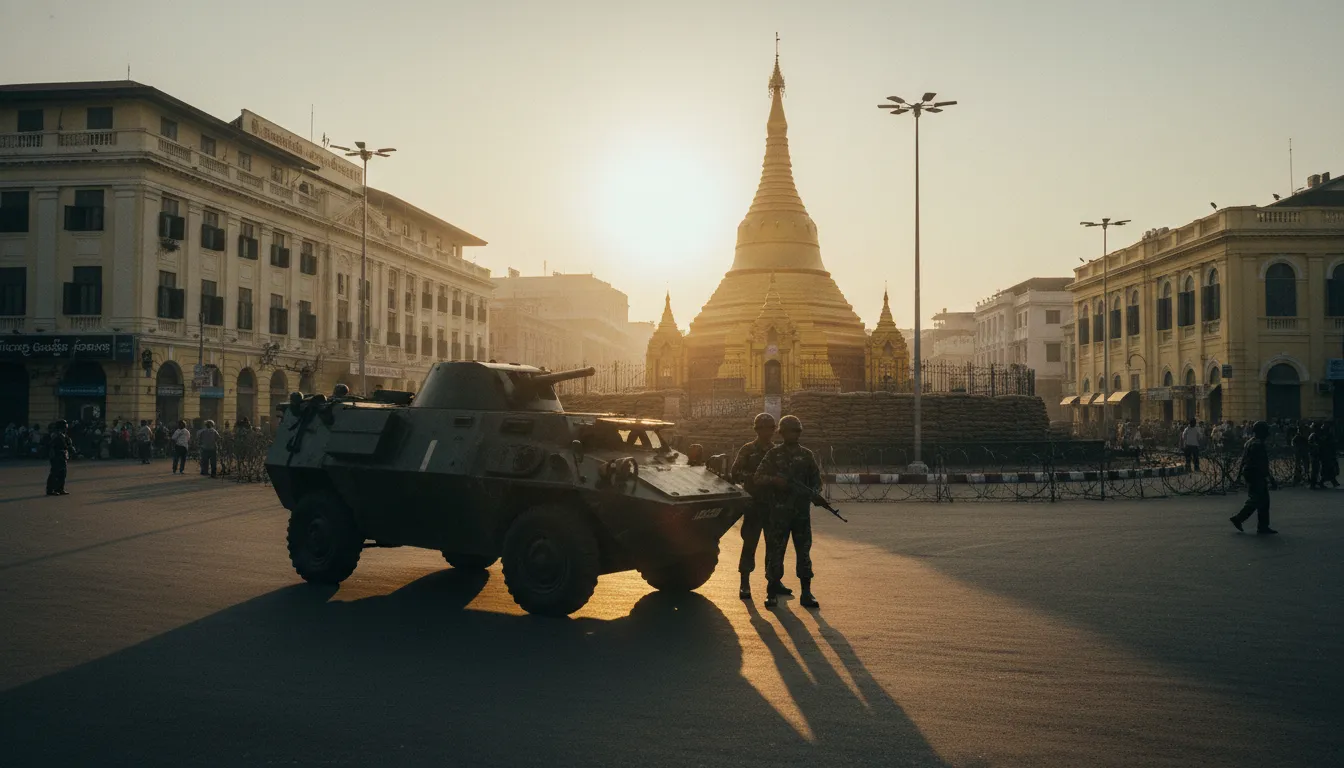
Martial law is the temporary replacement of civilian government with military authority. When declared, armed forces assume control of functions normally handled by elected officials, courts, and law enforcement. Curfews replace normal life, military tribunals can supersede civilian courts, and constitutional rights—from free speech to habeas corpus—may be suspended.
The concept dates back centuries. In 1628, English jurist Sir Matthew Hale described martial law as "no Law, but something indulged rather than allowed as a Law." Nearly four hundred years later, that tension between necessity and abuse remains unresolved. Martial law has been declared on every inhabited continent, sometimes to restore order after genuine catastrophe, often to consolidate power under the guise of emergency.
How It Gets Declared
Rules vary widely by country. In the United States, no federal statute explicitly defines or authorizes martial law. The president can deploy the military domestically under limited circumstances, but the Posse Comitatus Act restricts military involvement in civilian law enforcement. State governors have declared martial law far more often than the federal government—over 60 times in U.S. history, according to the Brennan Center for Justice.
Many constitutions grant explicit emergency powers. The Philippines' constitution allows the president to declare martial law for up to 60 days, subject to congressional and Supreme Court review. South Korea's constitution requires the president to notify the National Assembly, which can vote to lift it—as lawmakers did unanimously in December 2024, ending President Yoon Suk Yeol's declaration after just six hours.
What Happens Under Martial Law
The practical effects are sweeping. Typical measures include:
- Curfews restricting movement
- Suspension of habeas corpus, allowing indefinite detention without charge
- Military tribunals replacing civilian courts
- Censorship of press and communications
- Travel bans and border closures
The severity depends on whether the declaration is full (military assumes complete governance), partial (limited to specific regions), or temporary (tied to an acute crisis like a natural disaster).
A History of Abuse
Martial law's greatest danger is that emergency powers, once granted, resist being returned. Taiwan lived under martial law from 1949 to 1987—38 consecutive years justified by the threat of Communist China. Syria holds the record at roughly 48 years, from a 1963 coup until 2011. In the Philippines, Ferdinand Marcos used a 1972 declaration to rule by decree for nine years, overseeing widespread torture, disappearances, and political imprisonment.
Even established democracies are not immune. After the Pearl Harbor attack, Hawaii was placed under martial law for the entire duration of World War II. Citizens of Japanese descent were among those routinely denied basic civil rights, including the right to a fair trial. In Poland, General Wojciech Jaruzelski declared martial law in 1981 to crush the Solidarity movement, resulting in an estimated 91 deaths.
What Keeps It in Check
Constitutional democracies have developed safeguards against abuse, though none are foolproof:
- Judicial review — courts can evaluate whether a declaration is justified. The U.S. Supreme Court ruled in Ex parte Milligan (1866) that martial law cannot exist where civilian courts are open and functioning.
- Legislative oversight — parliaments can vote to revoke martial law, as South Korea's National Assembly demonstrated.
- Time limits — some constitutions cap the duration of emergency powers and require renewal.
- Constitutional rights — in the U.S., the Constitution applies at all times, and citizens wronged by military overreach retain the right to seek legal remedies.
The critical lesson from centuries of practice is that martial law is far easier to declare than to contain. When military authority replaces civilian governance, the burden falls on institutions—courts, legislatures, and a free press—to ensure the emergency does not become permanent.