How Smart Bandages Work—and Why They Matter
Smart bandages use embedded sensors, wireless electronics, and on-demand drug delivery to monitor wounds in real time and accelerate healing—a leap beyond passive gauze that could transform chronic wound care.
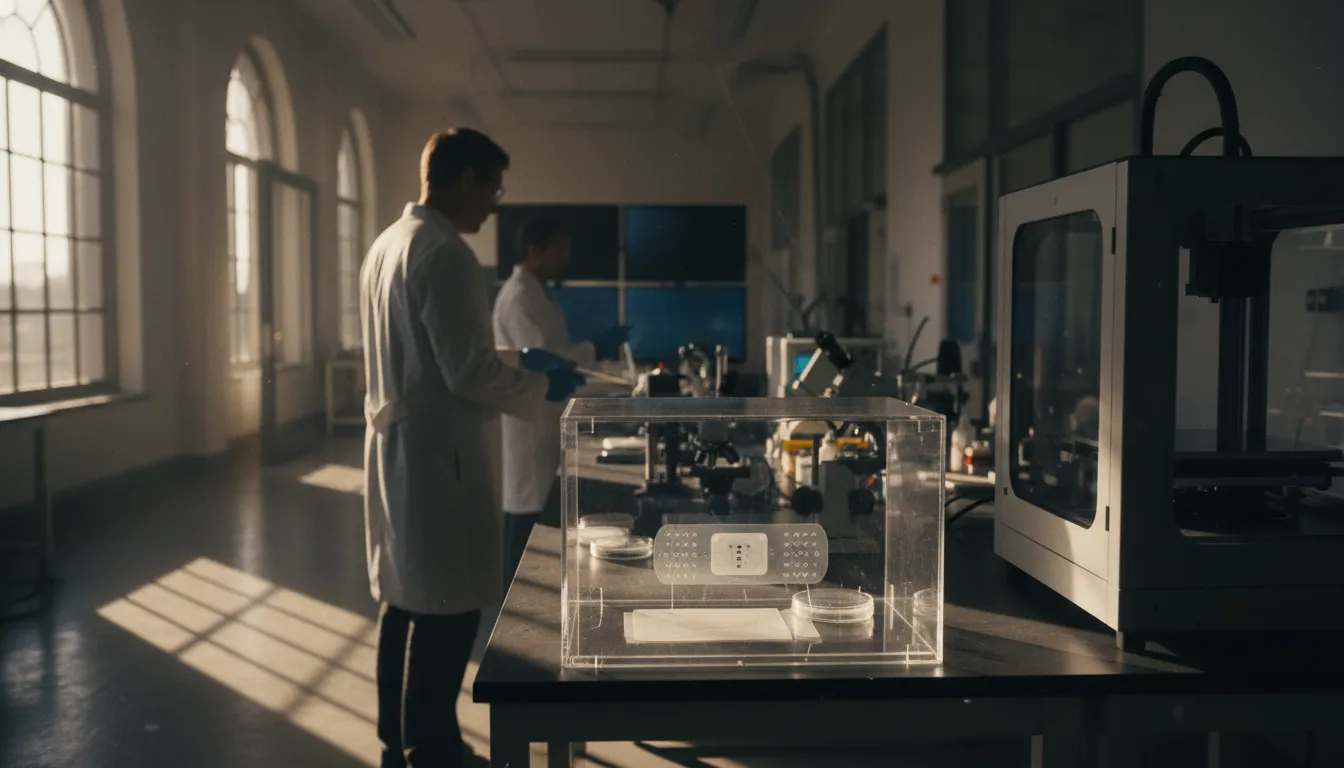
Beyond Gauze and Tape
For centuries, wound care has relied on a simple formula: cover the injury, keep it clean, hope for the best. But a new generation of high-tech dressings is turning the humble bandage into an active medical device. Smart bandages—flexible patches embedded with sensors, wireless electronics, and drug-delivery systems—can monitor a wound's condition in real time and respond automatically, delivering medication or electrical stimulation precisely when needed.
The technology arrives at a critical moment. Chronic wounds affect more than 10 million Medicare beneficiaries in the United States alone, and total annual spending on wound care ranges from $28 billion to nearly $97 billion, according to estimates published in the journal Value in Health. Diabetic foot ulcers, surgical infections, and pressure sores often resist healing for months, driving repeated hospital visits and, in severe cases, amputations.
How the Technology Works
A smart bandage typically consists of a thin, flexible polymer substrate embedded with miniaturized electronic components. Despite its complexity, the device is designed to feel no different from an ordinary adhesive strip on the skin.
Sensing the Wound
Built-in biosensors continuously track biomarkers such as pH, temperature, moisture, oxygen levels, and specific enzymes in the wound fluid. A rise in temperature or a shift in pH can signal the onset of bacterial infection, while changes in electrical impedance indicate whether tissue is regenerating. Researchers at the California Institute of Technology demonstrated that their smart bandage, called iCares, could continuously sample wound fluid in 20 human patients and relay data wirelessly to a smartphone or tablet.
On-Demand Drug Delivery
When sensors detect signs of infection or inflammation, the bandage can release antibiotics or anti-inflammatory drugs stored in its hydrogel layer directly to the wound site. A team at Brown University recently developed a hydrogel crosslinked with molecules that degrade only when they encounter beta-lactamases—enzymes produced by harmful bacteria. When dangerous microbes are present, the crosslinker breaks down, releasing antibiotic cargo. When only harmless bacteria are present, the material stays intact, reducing the risk of antibiotic resistance.
Electrical Stimulation
Some designs include electrodes that apply a low-level electrical field across the wound bed. Research published in Nature Biotechnology showed that wounds treated with electrical stimulation from a wireless smart bandage healed roughly 25% faster than those covered with standard dressings, with treated skin developing more blood vessels and greater thickness.
Why It Matters for Chronic Wounds
Traditional wound care requires a clinician to physically remove a dressing, inspect the wound, and decide on treatment—a process that can disturb healing tissue and miss early signs of infection between visits. Smart bandages eliminate much of this guesswork. Continuous monitoring means infections can be caught within hours rather than days, and treatment begins automatically without a clinic visit.
For diabetic patients, who face a 25% lifetime risk of developing a foot ulcer, earlier intervention could prevent the cascade from minor wound to chronic infection to amputation. Advanced-stage ulcers can cost upwards of $50,000 per episode, making prevention far cheaper than treatment.
Challenges Ahead
Despite promising results, smart bandages face hurdles before reaching widespread clinical use. Manufacturing costs remain high compared to conventional dressings. Regulatory approval requires extensive human trials, and most devices have only been tested in animal models or small patient groups. Questions also remain about biocompatibility—ensuring that electronic components do not irritate the skin over extended wear—and about integrating the data stream into existing hospital information systems.
Power supply poses another design challenge. Most current prototypes rely on wireless power transfer from a nearby device, which limits patient mobility. Researchers are exploring thin-film batteries and energy-harvesting techniques to make the bandages fully self-contained.
The Road to the Clinic
Teams at Caltech, Stanford, Brown, and the University of Nebraska Medical Center are all racing to bring smart bandages from the lab to the bedside. Caltech's iCares system has already demonstrated real-time monitoring in human patients, a critical milestone toward regulatory approval. As manufacturing scales up and costs fall, smart bandages could become standard care for the millions of patients whose wounds refuse to heal on their own.