How Sustainable Aviation Fuel Works—and Why It Matters
Sustainable aviation fuel (SAF) is a drop-in replacement for fossil jet fuel made from waste oils, crops, and other renewable feedstocks. It can cut lifecycle CO₂ emissions by up to 80% and is central to aviation's plan to reach net zero by 2050.
Why Aviation Needs a New Fuel
Commercial flying accounts for roughly 2.5% of global energy-related CO₂ emissions, according to the International Energy Agency. Unlike cars or trucks, airliners cannot easily switch to batteries or hydrogen — the energy density of jet fuel is hard to match. That makes sustainable aviation fuel (SAF) the industry's best near-term bet for decarbonization.
What Exactly Is SAF?
SAF is a liquid hydrocarbon fuel produced from non-petroleum feedstocks — waste cooking oils, animal fats, agricultural residues, municipal solid waste, or purpose-grown oilseed crops. Chemically, it is nearly identical to conventional Jet A-1, which means it can be pumped into existing tanks, pipelines, and engines without modification. The industry calls this a "drop-in" fuel.
The key difference is lifecycle emissions. Because the carbon in SAF feedstocks was recently absorbed from the atmosphere — by a plant or trapped in waste — burning it releases far less net CO₂ than extracting and burning fossil kerosene. Depending on the feedstock and production pathway, SAF can reduce lifecycle greenhouse-gas emissions by up to 80% compared with conventional jet fuel, according to the International Air Transport Association (IATA).
How SAF Is Made
Several certified production pathways exist, but one dominates today:
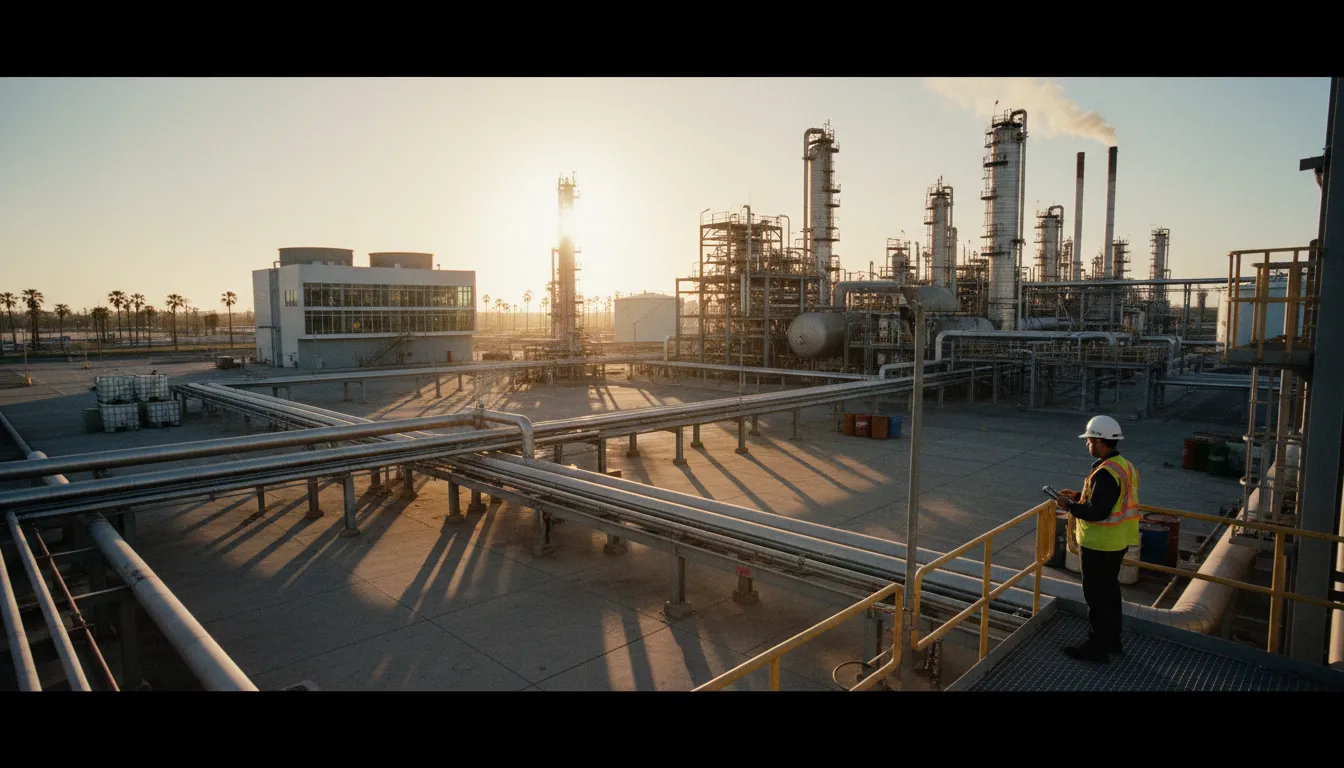
- HEFA (Hydroprocessed Esters and Fatty Acids) — Vegetable oils, used cooking oil, or animal fats are treated with hydrogen to strip out oxygen, then cracked and isomerized into jet-length hydrocarbon chains. HEFA accounts for the vast majority of SAF produced worldwide and can be made in adapted existing refineries.
- Fischer-Tropsch (FT) — Biomass or municipal waste is gasified into syngas, then catalytically converted into liquid hydrocarbons.
- Alcohol-to-Jet (AtJ) — Ethanol or isobutanol from fermentation is dehydrated and oligomerized into jet-range molecules.
- Power-to-Liquid (e-SAF) — Green hydrogen and captured CO₂ are combined to synthesize hydrocarbons, producing a fully synthetic fuel with near-zero lifecycle emissions.
Current regulations allow SAF to be blended with fossil jet fuel at up to 50%, though the industry aims to certify 100% SAF flights by 2030.
Cover Crops: A Promising Feedstock
One rapidly emerging SAF feedstock is oilseed cover crops — plants like camelina, pennycress, and carinata grown between regular food-crop seasons. Farmers plant them in late autumn; they grow through winter and are harvested in spring before the main cash crop goes in. Their oil is then processed via HEFA into jet fuel.
Because these crops occupy fields during what would otherwise be fallow months, they avoid competing with food production — a criticism that has dogged earlier biofuel efforts. They also improve soil health, reduce erosion, and sequester nitrogen. Research published in Frontiers in Energy Research found that the meal by-products from carinata, camelina, and pennycress could save up to 18 grams of CO₂-equivalent per megajoule of fuel through displaced land use alone.
Policy Push: Mandates and Targets
Governments are now forcing the pace. The EU's ReFuelEU Aviation regulation, in force since 2025, requires fuel suppliers to blend at least 2% SAF into jet fuel at EU airports, rising to 6% by 2030 and 70% by 2050. A sub-mandate specifically targets synthetic e-SAF, requiring 1.2% by 2030 and 35% by 2050. The United States offers tax credits under the Inflation Reduction Act for SAF that achieves at least a 50% emissions reduction.
IATA estimates that SAF could deliver roughly 65% of the emission reductions aviation needs to reach net-zero CO₂ by 2050.
The Scale Challenge
Despite the promise, SAF currently makes up less than 1% of global jet fuel supply. Production costs remain two to four times higher than fossil kerosene, and existing and planned facilities will meet only 2–4% of jet fuel demand by 2030, according to the IEA. Scaling up will require massive investment in new biorefineries, feedstock supply chains, and e-SAF plants powered by cheap renewable electricity.
Still, momentum is building. Every major airline has signed SAF purchase agreements, mandates are tightening, and novel feedstocks like cover crops are expanding the raw-material base. Whether SAF can grow fast enough to meet aviation's climate targets remains one of the defining questions of the energy transition.