How the Triple Crown Works—Racing's Hardest Prize
The Triple Crown demands a three-year-old Thoroughbred win three elite races in just five weeks, across increasing distances, against fresh rivals—a feat only 13 horses have achieved since 1919.
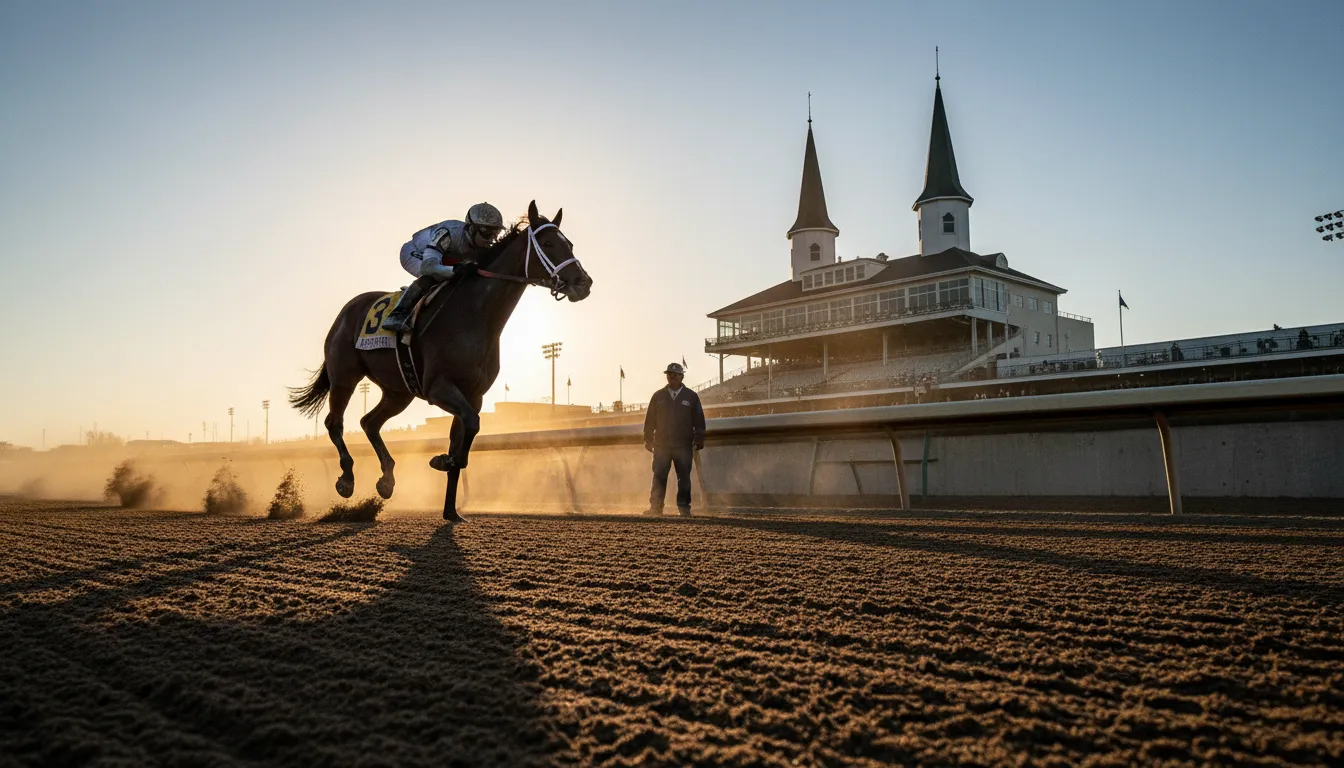
Three Races, Five Weeks, One Champion
The Triple Crown of Thoroughbred Racing is widely considered the most grueling achievement in American sports. To earn it, a single three-year-old horse must win the Kentucky Derby, the Preakness Stakes, and the Belmont Stakes—all within a span of just five weeks during May and early June. Only 13 horses have accomplished the feat since Sir Barton first did so in 1919.
The Three Jewels
Each leg of the Triple Crown is held at a different track, over a different distance, testing different aspects of a Thoroughbred's ability.
The Kentucky Derby, known as "The Most Exciting Two Minutes in Sports," opens the series on the first Saturday in May at Churchill Downs in Louisville, Kentucky. Run at 1¼ miles (10 furlongs), it rewards a blend of early speed and tactical positioning in fields that can exceed 19 horses.
Two weeks later comes the Preakness Stakes at Pimlico Race Course in Baltimore, Maryland. At 1 3/16 miles, it is slightly shorter than the Derby but tests a horse's ability to recover quickly and perform again under pressure.
The series concludes three weeks after the Preakness with the Belmont Stakes, traditionally called "The Test of the Champion." At 1½ miles, it is the longest of the three races by a significant margin, demanding stamina that most young Thoroughbreds have never been asked to produce.
Why It's Nearly Impossible
The five-week timeline is the central challenge. A horse must peak physically three times in rapid succession while traveling between racetracks in different states. Between races, trainers must manage recovery, maintain fitness, and keep their horse mentally sharp—all with minimal rest.
Compounding the difficulty is the fresh horse problem. Rivals who skipped the Kentucky Derby can enter the Preakness fully rested. Horses who bypassed both earlier legs arrive at the Belmont with a significant energy advantage over a Triple Crown contender who has already run two demanding races.
The increasing distances also eliminate different types of horses at each stage. A pure speed horse may dominate the Derby but lack the endurance for the Belmont's 1½-mile grind. The Triple Crown winner must be an exceptional all-rounder: fast, durable, and mentally resilient.
A Brief History of Champions
The term "Triple Crown" entered common use in 1930 when sportswriter Charles Hatton of the Daily Racing Form applied it after Gallant Fox swept the three races. The achievement was formally recognized in 1950 by the Thoroughbred Racing Associations, retroactively honoring Sir Barton's 1919 sweep.
Perhaps the most famous winner is Secretariat, who in 1973 won the Belmont Stakes by 31 lengths in a still-unbroken record time of 2:24. The sport then endured a 37-year drought—from Affirmed in 1978 until American Pharoah broke through in 2015. Justify followed in 2018, becoming the 13th and most recent Triple Crown champion.
A Schedule Under Pressure
The punishing calendar has sparked ongoing debate. In 2025, the Kentucky Derby winner skipped the Preakness entirely to prepare for the Belmont, reigniting calls to space the races further apart. Trainers argue that modern veterinary science shows horses benefit from more recovery time. However, tradition—and competing television and racetrack business interests—have kept the schedule largely unchanged for over a century.
Whether the calendar eventually shifts or not, the Triple Crown remains what it has always been: a five-week test that separates the great from the merely good, demanding that one horse prove itself the complete champion.