How the NFL Draft Works—From Pick Order to Trades
The NFL Draft is a three-day, seven-round selection process where teams pick college players in reverse order of their previous season's record, using scouting, trades, and strategy to build their rosters.
The Biggest Job Interview in Sports
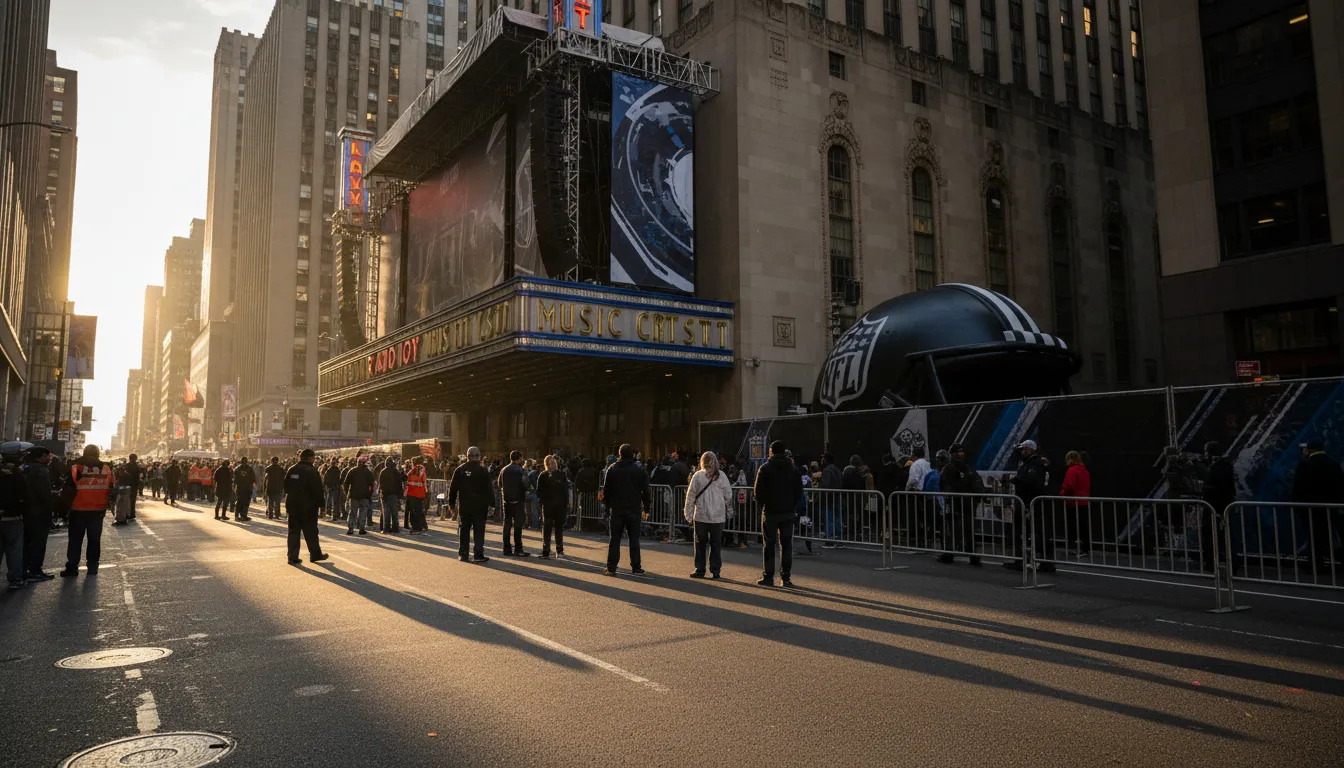
Every spring, the National Football League holds one of the most-watched events in American sports — and not a single game is played. The NFL Draft is a three-day selection process in which all 32 teams take turns choosing the best college football players to join their rosters. It blends strategy, gambles, and high-stakes negotiations into a spectacle that routinely draws millions of viewers.
But behind the drama lies a carefully structured system designed to promote competitive balance. Understanding how the draft works reveals the economics, psychology, and chess-like maneuvering that shape every NFL season before it begins.
How the Pick Order Is Set
The fundamental principle is simple: the worst teams pick first. Selection order is the reverse of the previous season's final standings, meaning the team with the poorest record gets the No. 1 overall pick, while the Super Bowl champion picks last in each round.
When two teams share identical records, the tiebreaker is strength of schedule — the combined winning percentage of all opponents faced. The team that played the easier schedule picks higher. Playoff teams are ordered by how far they advanced, with the runners-up picking 31st and the champion 32nd.
Seven Rounds Over Three Days
The draft spans seven rounds and roughly 260 selections. Round 1 takes place on a Thursday evening, with each team allowed up to eight minutes per pick. Rounds 2 and 3 follow on Friday, and Rounds 4 through 7 wrap up on Saturday. Time limits shrink in later rounds — down to four minutes in Rounds 3 through 6 and just two minutes in Round 7 — keeping the event moving.
In addition to the standard 32 picks per round, the league awards up to 32 compensatory selections each year. These extra picks, slotted at the end of Rounds 3 through 7, go to teams that lost more valuable free agents than they signed the previous offseason. A formula weighing salary, playing time, and postseason honors determines both eligibility and placement.
The Art of Trading Picks
Teams are not locked into their assigned slots. They can trade picks — before or during the draft — for other selections, veteran players, or combinations of both. A team desperate for a franchise quarterback might package several mid-round picks to move up, while a rebuilding club might trade down to stockpile future talent.
The common language for these negotiations traces back to the 1990s, when Dallas Cowboys executive Mike McCoy, working under coach Jimmy Johnson, created a numerical trade value chart. It assigned 3,000 points to the No. 1 overall pick and just 590 to No. 32, with values dropping steeply into later rounds. Though the chart predates modern analytics and is widely seen as overvaluing top picks, it remains the most referenced framework in league trade rooms.
How Teams Evaluate Prospects
Months before draft night, teams invest enormous resources in scouting. The process begins with game film analysis, where scouts grade a prospect's technique, decision-making, and consistency across an entire college career.
The NFL Scouting Combine, held each February in Indianapolis, centralises the evaluation. Over four days, roughly 300 invited players undergo medical examinations, psychological testing, position-specific drills, and formal 15-minute interviews with team staff. Physical measurements — height, weight, hand size, arm length — are officially recorded alongside athletic benchmarks like the 40-yard dash and vertical jump.
Modern front offices also rely on advanced analytics, using data on production trends, efficiency metrics, and game context to supplement traditional scouting. The goal is a complete picture: athletic ability, football intelligence, injury risk, and character.
Why It Matters
The draft is the NFL's primary mechanism for competitive balance. By giving weaker teams first access to the best young talent, the league ensures that no dynasty can dominate indefinitely — at least in theory. Franchises that draft well build sustained success on affordable rookie contracts, while those that miss on high picks can languish for years.
For players, being drafted is the culmination of years of preparation. For fans, it is the first act of every NFL season — the moment hope is renewed, one pick at a time.