Iran Executes Teen Wrestling Champion, Sparking Global Outcry
Iran publicly executed 19-year-old national wrestling team member Saleh Mohammadi on March 19, 2026, prompting fierce condemnation from Olympic champions and human rights organizations who called the trial a sham based on tortured confessions.
A Young Athlete Silenced
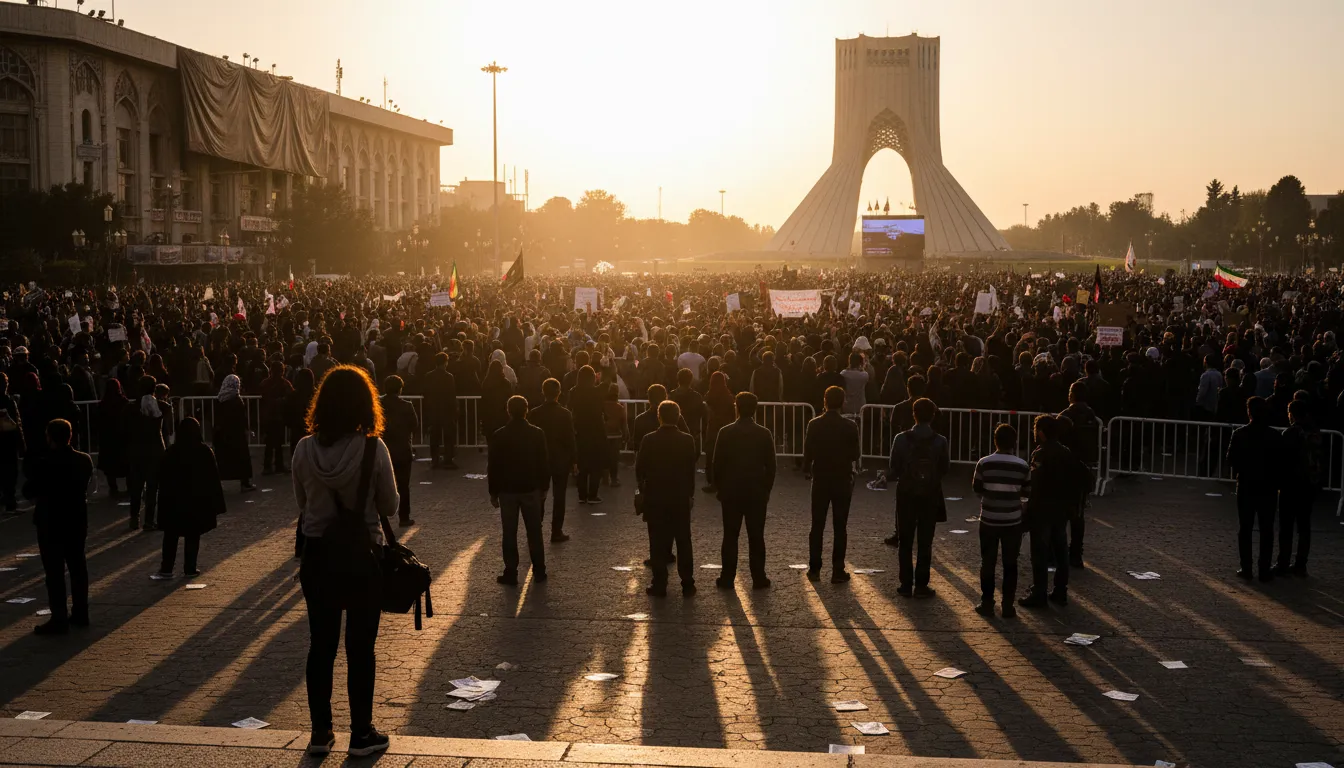
Iran executed 19-year-old wrestler Saleh Mohammadi on March 19, 2026, in Qom, south of Tehran, in the first hangings linked to January's anti-government protests. Mohammadi — a bronze medalist at the 2024 Saitiev Cup in Russia and a member of Iran's national freestyle wrestling team — was put to death alongside two other men, Mehdi Ghasemi and Saeed Davoudi, on charges of moharebeh (waging war against God) under Iran's sharia law.
The three were convicted of killing two police officers during unrest at Nabut Square on January 8. But human rights organizations and legal observers say the evidence was weak and the proceedings deeply flawed — raising urgent questions about justice, dissent, and the intersection of sport and state repression.
A Trial Under Scrutiny
Multiple rights groups have denounced the trial as a travesty. Iran Human Rights, the Norway-based watchdog, reported the men were "sentenced to death following an unfair trial, based on confessions obtained under torture." Amnesty International said Mohammadi was denied "adequate defence and forced to make confessions in fast-tracked proceedings that bore no resemblance to a meaningful trial."
Security cameras at the scene did not capture Mohammadi's face despite charges he inflicted 29 stab wounds on an officer. His family, teammates, and coaches testified he was at his uncle's home, not at the protest. Mohammadi maintained his innocence throughout and said authorities extracted his confession through torture. The court rejected independent legal representation, appointing state counsel instead.
Olympic Champions Speak Out
The execution triggered a wave of condemnation from some of the world's most decorated athletes. Brandon Slay, an Olympic gold medalist in wrestling at Sydney 2000, said:
"As someone who has traveled to Iran for wrestling twice and welcomed Iranian athletes into our country, I've seen firsthand the dignity and heart of the Iranian people. That's why it's so heartbreaking to witness a terror regime execute a teenage wrestler."
Tyler Clary, a gold medalist swimmer from the 2012 London Games, called it "a brutal reminder of what that regime stands for." Three-time Olympic bobsled champion Kaillie Humphries denounced the killing as "beyond abhorrent," adding: "Murdering any teenager for the 'crime' of speaking out is unacceptable."
Modern pentathlete Eli Bremer said he was "beyond disgusted," while five-time Olympian Katie Uhlaender expressed heartbreak that urgent calls for clemency had gone unheeded.
Diplomatic Fallout and Broader Implications
The White House condemned the execution, with spokesperson Olivia Wales calling it evidence of an "Iranian terrorist regime." The hangings are the first carried out in connection with the January 2026 protests, and rights groups warn they could mark the beginning of mass executions as Tehran escalates its crackdown during heightened regional tensions.
The case has reignited debate over Iran's participation in international sporting events. Human rights activist Nima Far described the execution as "a blatant political murder, part of the Islamic Republic's pattern of targeting athletes to crush dissent and terrorize society." Legal monitor Dadban characterized the death penalty in this case as resembling "extrajudicial killing."
For the global sporting community, Mohammadi's death is both a tragedy and a test — a stark reminder that the values of fair play and human dignity celebrated on the Olympic stage remain brutally absent in the countries some athletes call home.