Neuromorphic Computing Goes Mainstream: Brain-Inspired Chips Deliver 1000x Energy Efficiency Gains
Neuromorphic computing is reaching commercial maturity in 2026 with Intel's Loihi 3 and IBM's NorthPole chips proving up to 1000 times more power-efficient than traditional GPUs. Mercedes-Benz and BMW are integrating neuromorphic vision systems for a
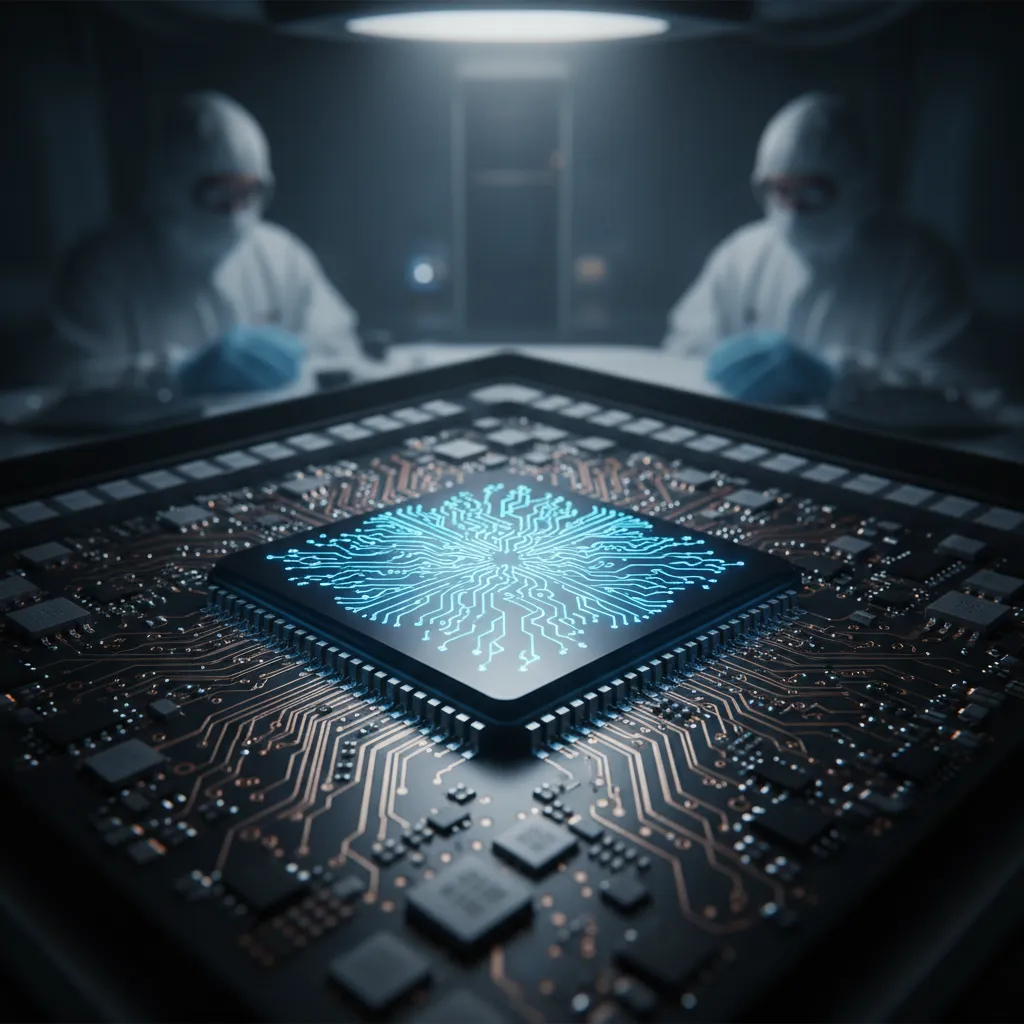
Neuromorphic computing, the field of brain-inspired computer chip design, is reaching a pivotal moment in 2026. With commercial products from Intel and IBM now available, and major automotive manufacturers beginning integration, the technology promises to fundamentally reshape artificial intelligence processing by delivering dramatic improvements in energy efficiency and real-time performance.
Commercial Breakthroughs
Intel's Loihi 3 and IBM's NorthPole have been released commercially in 2026, marking the transition of neuromorphic computing from research curiosity to practical technology. These brain-inspired chips have demonstrated up to 1,000 times greater power efficiency than traditional GPUs for real-time robotics and sensory processing tasks.
Recent benchmarks show neuromorphic systems achieving 70 times faster performance and 5,600 times greater energy efficiency than GPU-based edge AI systems for continual learning tasks. This represents a quantum leap in computational efficiency that could transform how AI is deployed at the edge.
How Neuromorphic Chips Work
Unlike conventional processors that operate on continuous data streams, neuromorphic systems use spiking neural networks that communicate through discrete events, mimicking the way biological neurons fire in the brain. This approach enables 2-3 times better energy efficiency for temporal processing tasks and 1,000 times more efficient neural communication within chips compared to conventional architectures.
The chips process information as it happens rather than waiting for data frames to be captured and buffered, giving them a decisive advantage in applications requiring real-time responsiveness.
Automotive Integration
Mercedes-Benz Group AG and BMW are integrating neuromorphic vision systems into their vehicles to handle sub-millisecond reaction times for autonomous braking and other safety-critical functions. The ability to process sensory data in real-time without the latency inherent in traditional computing gives neuromorphic-equipped vehicles a significant safety advantage.
Scale Milestones
Intel's Hala Point system has deployed 1.15 billion neurons, achieving orders of magnitude better energy efficiency than conventional AI systems. This represents the largest neuromorphic system built to date and demonstrates that the technology can scale to tackle increasingly complex problems.
Beyond Silicon
Researchers are also exploring novel materials for neuromorphic computing. Scientists have developed shape-shifting molecules that could serve as the foundation for future AI hardware, potentially exceeding the capabilities of silicon-based neuromorphic chips.
Road to Brain-Scale Computing
Experts predict that by 2030, the first "human-brain scale" neuromorphic supercomputer capable of simulating 86 billion neurons will become feasible. Such a system would require only 20 megawatts of power, compared to over 400 megawatts for a comparable GPU-based system, making brain-scale AI simulation practically achievable for the first time.
Sources: Programming Helper, Nature Communications, UC San Diego, Science Daily