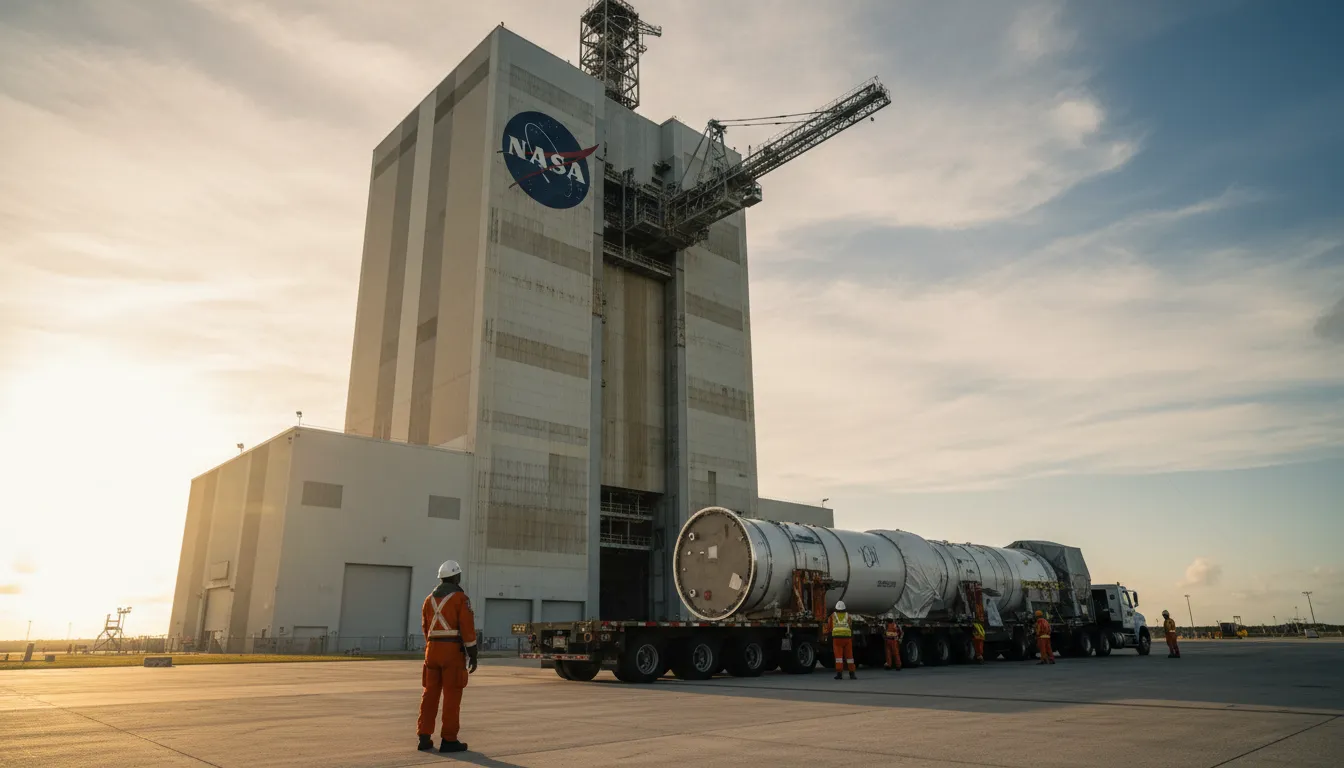
No Limits: Nuclear Arms Control Ends After 50+ Years
The expiration of the New START treaty on February 5, 2026 left the world without any binding limits on US and Russian strategic nuclear arsenals for the first time in over half a century, raising fears of a new arms race.
A Historic Guardrail Falls Away
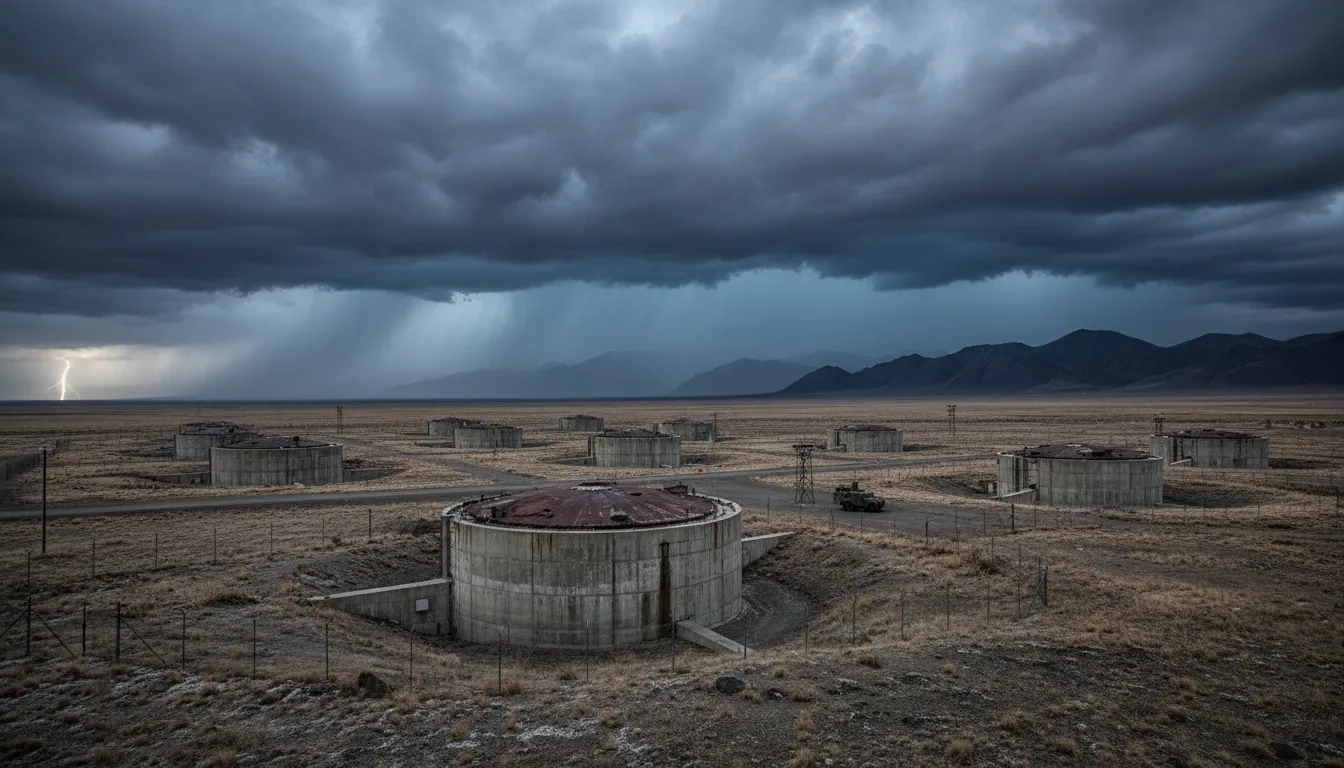
At midnight on February 5, 2026, the New START treaty quietly expired, and with it vanished the last legally binding constraint on the world's two largest nuclear arsenals. For the first time since the early 1970s, the United States and Russia face no formal limits on how many strategic nuclear warheads and delivery systems they can deploy.
UN Secretary-General António Guterres called it a "grave moment for international peace and security," warning that "for the first time in more than half a century, we face a world without any binding limits on the strategic nuclear arsenals" of the two superpowers. The risk of a nuclear weapon being used, he added, stands at its highest point in decades.
What Was Lost
Signed in 2010 and extended once in 2021, New START capped each side at 1,550 deployed strategic warheads and 700 deployed delivery systems. Over its 15-year lifespan, the treaty generated more than 25,000 notifications whenever nuclear weapons moved and enabled mutual inspections of missile bases, bomber facilities, and submarine ports. That verification architecture — the foundation of strategic predictability — is now gone.
"There are no more guardrails on the sizes of the United States and Russian strategic nuclear arsenals," said Christine Wormuth, president of the Nuclear Threat Initiative, in comments to NPR.
How It Unravelled
The treaty's collapse did not happen overnight. Russia's 2022 invasion of Ukraine derailed any replacement negotiations. On-site inspections were halted in 2023 after President Putin suspended Russian compliance, rejecting both inspections and data exchanges. The treaty's sole permitted extension had already been used in 2021, leaving February 5, 2026 as an immovable deadline.
In the months before expiration, Putin proposed a one-year voluntary adherence to New START limits while formal talks proceeded. President Trump rejected the offer, calling instead for a "new, improved and modernised" treaty. Secretary of State Marco Rubio insisted any future agreement must include China — a demand Beijing has flatly refused, calling it "neither fair nor reasonable" given the vast gap between its roughly 600 warheads and the superpowers' combined stockpile of over 10,500.
The Risks Ahead
Analysts warn the immediate danger lies less in a sudden warhead buildup than in the erosion of transparency. Without verification, intelligence estimates become wider and less precise, prompting military planners to assume the worst. According to the Council on Foreign Relations, the U.S. could deploy an additional 1,900 nuclear weapons from existing stockpiles within a decade simply by reopening capped missile tubes on Ohio-class submarines and uploading warheads onto current platforms.
China's rapid nuclear expansion — projected by the Pentagon to surpass 1,000 warheads by 2030 — adds a volatile third dimension. Former Soviet negotiator Nikolai Sokov warned that an unrestrained arms race could emerge within five to seven years, focused on increasingly sophisticated, harder-to-intercept weapons rather than sheer numbers.
What Comes Next
Guterres urged both nations to return to the negotiating table "without delay" and agree on a successor framework restoring verifiable limits. Experts suggest pragmatic interim steps: mutual commitments to protect early-warning satellites, data exchange protocols, and dispute resolution mechanisms. But achieving any of this requires diplomatic infrastructure and political will that remain conspicuously absent.
With U.S. nuclear modernization alone projected to cost roughly $1 trillion over the coming decade, one lesson from the Cold War may yet prove persuasive: competition is expensive. Whether that economic logic can drive Washington, Moscow, and eventually Beijing back to the negotiating table remains the defining arms control question of this era.