North Korea Builds Housing for Families of Ukraine War Dead
North Korea unveiled a new housing district in Pyongyang for families of soldiers killed fighting alongside Russian forces in Ukraine, with Kim Jong-un personally touring the homes and honoring the 'young martyrs.'
Pyongyang Honors Its War Dead
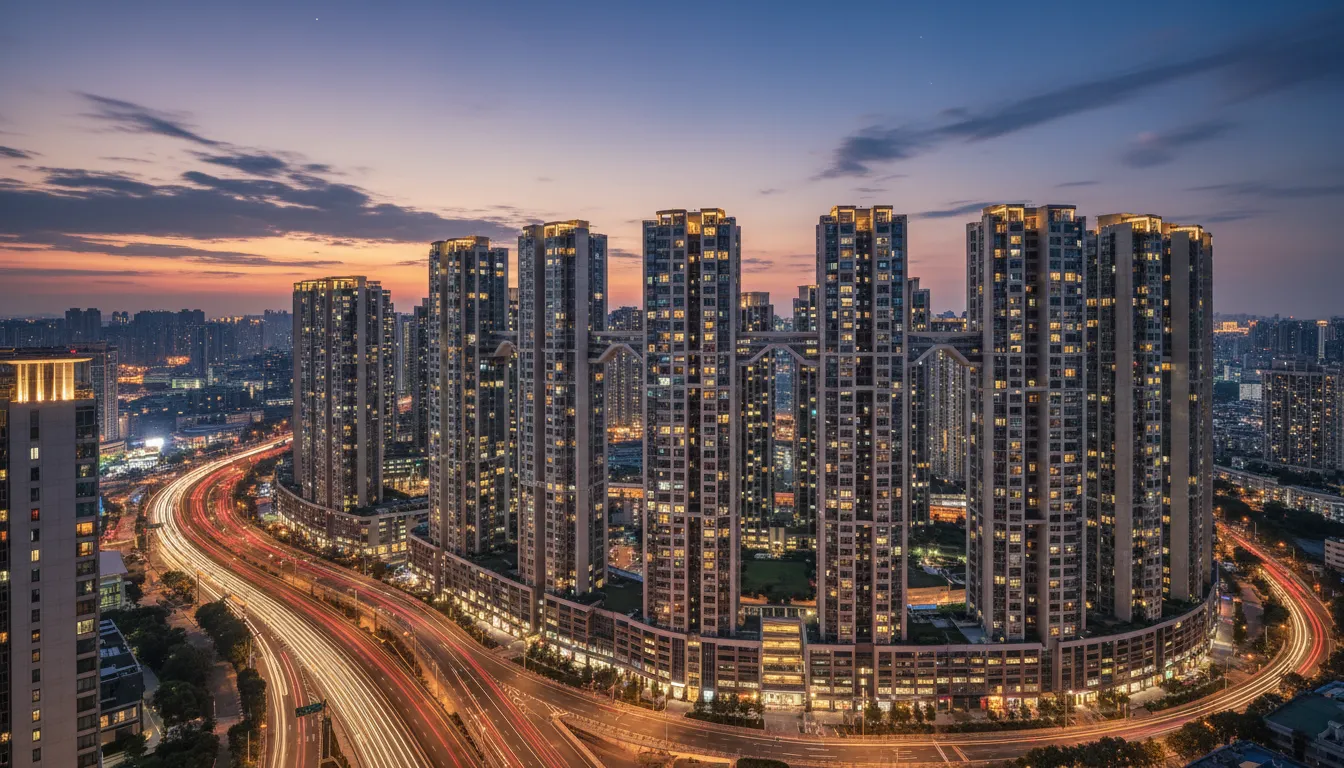
North Korea has completed a new residential district in Pyongyang dedicated to the families of soldiers killed while fighting alongside Russian forces in Ukraine. Leader Kim Jong-un attended a ribbon-cutting ceremony on Sunday, walking through the newly constructed Saeppyol Street with his daughter, believed to be Kim Ju-ae, and visiting individual homes to offer condolences to bereaved families.
Kim pledged to repay the "young martyrs" who "sacrificed all to their motherland," describing the housing project as "a source of honor for our generation and a pride of Pyongyang and our state." The street, he said, "has been built thanks to the ardent desire of our motherland that wishes that the precious lives of its excellent sons will live forever."
A Public Reckoning with War Losses
The housing complex represents North Korea's most tangible public acknowledgment of the human cost of its military involvement in Ukraine. While Pyongyang long denied deploying troops to support Russia, it has gradually shifted its messaging since confirming the deployments in April 2025. By August that year, Kim presided over a ceremony honoring 100 fallen soldiers, and in December he bestowed "Hero" titles on nine deceased troops from the 528th Regiment of Engineers.
South Korea's National Intelligence Service told lawmakers last week that an estimated 6,000 North Korean troops have been killed or wounded during their deployment. The agency had previously estimated roughly 600 deaths as of last year, suggesting a dramatic escalation of casualties in recent months. North Korean state media did not disclose how many homes were built on Saeppyol Street.
Propaganda and Domestic Strategy
The housing project is part of a broader campaign to glorify North Korea's military involvement in the war. In recent months, the regime has established a memorial wall, built a dedicated museum, and organized multiple ceremonies honoring returning and fallen troops. Analysts see these efforts as designed to bolster internal unity and suppress potential public discontent over mounting casualties from a foreign war.
The regime has also pledged preferential treatment for bereaved families. "The Party and the government will take all necessary steps to ensure that these families lead a proud and worthwhile life while enjoying the preferential treatment by the state," state media announced.
Broader Geopolitical Context
The inauguration of Saeppyol Street comes at a significant political moment. North Korea is preparing to convene the Ninth Congress of the ruling Workers' Party later this month, where Kim is expected to announce five-year policy goals in both domestic and foreign affairs. The housing project and associated propaganda could serve to frame the military deployment as a point of national pride ahead of this major political gathering.
Kim has deployed thousands of troops along with substantial military equipment, including artillery and missiles, to support Russia's war effort. Both leaders have deepened coordination against their respective confrontations with Washington, with the mutual defense pact between Moscow and Pyongyang providing the formal framework for the deployment of an estimated 14,000 North Korean soldiers to Russian frontlines.
The construction of homes for war widows and orphans sends a clear signal: Pyongyang intends to sustain its military commitment to Russia's war in Ukraine, and it is building the domestic infrastructure, both physical and ideological, to justify the continued sacrifice.