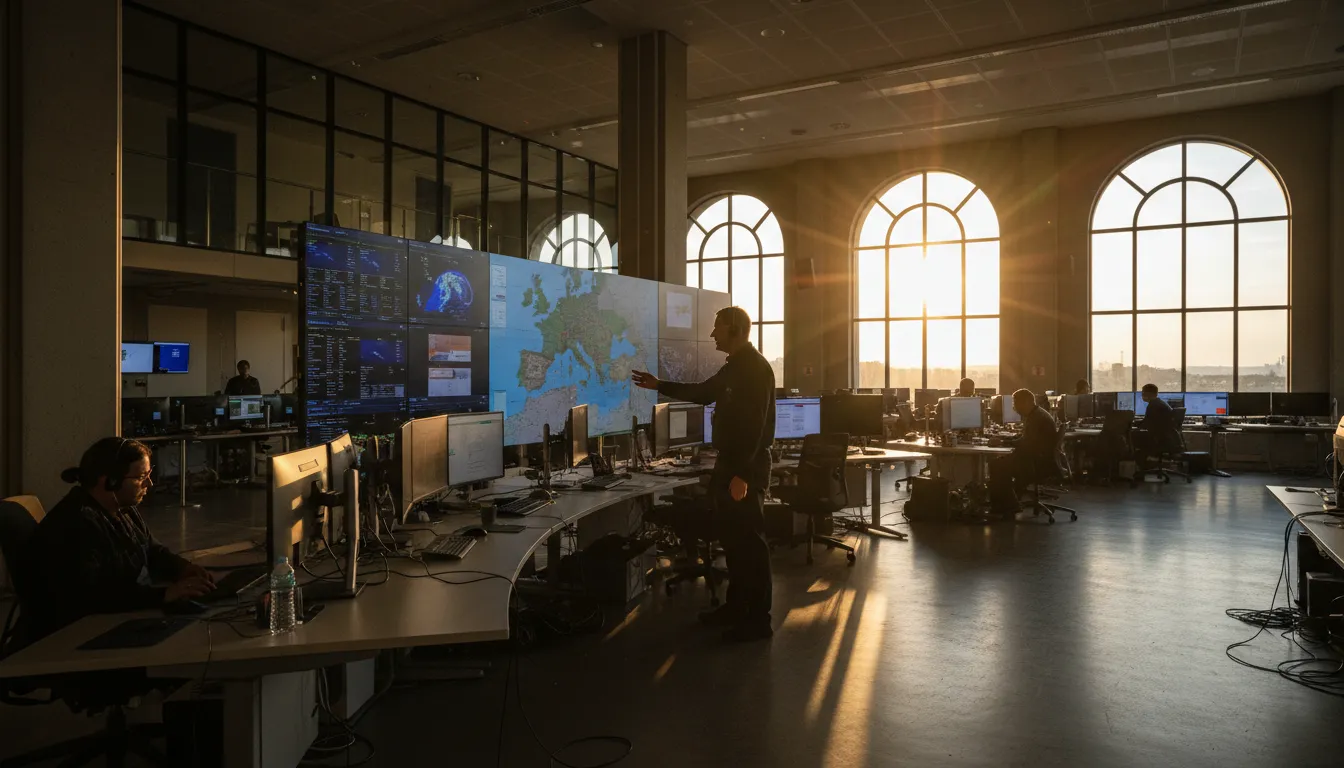
NVIDIA GTC 2026: Jensen Huang Unveils Vera Rubin and Agentic AI
NVIDIA's flagship developer conference kicks off March 16–19 in San Jose, where CEO Jensen Huang will unveil the Vera Rubin platform — Blackwell's successor with up to 5x inference performance — alongside NemoClaw, an open-source enterprise AI agent system, and a glimpse at the next-generation Feynman architecture.
The AI Industry's Biggest Week Begins
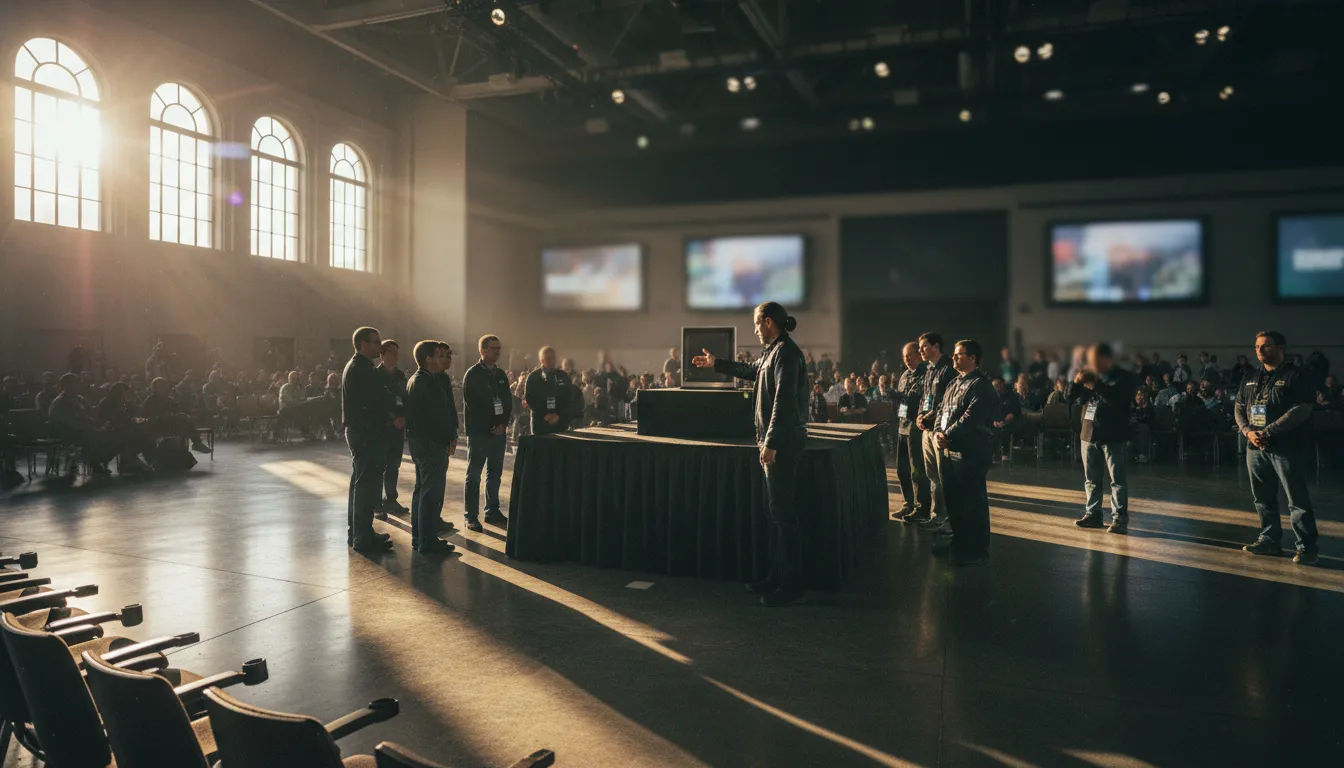
More than 30,000 attendees from 190 countries are descending on San Jose, California this week for NVIDIA GTC 2026 (March 16–19), the conference that has steadily grown from a GPU developer gathering into the de facto annual summit of the global AI industry. On Monday at 11 a.m. PT, CEO Jensen Huang will take the stage at the SAP Center — home of the San Jose Sharks — to deliver a keynote that analysts and engineers alike are watching with unusual intensity.
The timing is no accident. Enterprises are now moving aggressively from AI pilots into full-scale production deployments, and the decisions made at GTC 2026 will shape infrastructure investment for the next two years.
Vera Rubin: The Successor to Blackwell Arrives
The centerpiece announcement is the Vera Rubin platform, formally unveiled at CES in January and now heading toward second-half 2026 availability. The platform combines a custom Vera CPU — featuring 88 Armv9 "Olympus" cores — with two next-generation Rubin GPUs in a single superchip. The numbers are striking: 50 petaFLOPS of NVFP4 inference performance, compared to Blackwell's roughly 10 PFLOPs, and HBM4 memory delivering 22 TB/s of bandwidth per chip, a 2.8x improvement over the previous generation.
According to NVIDIA's official Rubin announcement, the platform also cuts inference cost per token by 10x versus Blackwell and reduces the GPU count needed to train large mixture-of-experts models by 4x. Cloud providers including AWS, Microsoft Azure, and Google Cloud are among the first to deploy Vera Rubin-based instances. The rack system itself has been redesigned — a cable-free tray layout enables 18x faster assembly and servicing than Blackwell racks.
NemoClaw: An Open-Source Agent Platform for the Enterprise
Hardware is only part of the story. Reporting by CNBC and Wired ahead of the conference revealed that NVIDIA has been quietly pitching NemoClaw, an open-source enterprise AI agent platform, to major partners including Salesforce, Cisco, Google, Adobe, and CrowdStrike. Designed to let companies deploy autonomous agents that process data, manage workflows, and execute multi-step tasks with limited human oversight, NemoClaw includes built-in security and privacy tooling — a direct response to trust concerns that have slowed enterprise agent adoption.
Crucially, NVIDIA says the platform will be accessible regardless of whether customers run NVIDIA hardware, a significant strategic shift toward software-layer influence. GTC's agenda explicitly highlights "open models, agentic systems, and physical AI" as the keynote's three pillars.
Feynman on the Horizon
Beyond Vera Rubin, GTC is expected to offer a first look at Feynman, NVIDIA's next-next-generation architecture targeted at 2028. According to TrendForce, Feynman is slated for TSMC's 1.6nm A16 process and may pioneer silicon photonics — using optical rather than electrical signals — to break through power and bandwidth walls that are already constraining data center design. Early samples, HBM4 roadmaps from Samsung and SK Hynix, and a possible co-designed x86 CPU built with Intel are all rumored for the conference floor.
Why GTC 2026 Matters
The conference arrives at a genuine inflection point. AI spending by hyperscalers hit record levels in 2025, but the next wave of growth depends on whether autonomous agents and physical AI — robotics, autonomous vehicles, industrial simulation — can move from demonstration to dependable production systems. With over 700 technical sessions and high-profile partners spanning every vertical, GTC 2026 is less a product launch event than a coordination mechanism for an industry rewriting how computation, software, and physical systems interact. Jensen Huang promised a chip reveal designed to "surprise the world." The world is watching.