Poland to Ban Social Media for Children Under 15
Donald Tusk's government is preparing a bill to ban children under the age of 15 from using social media. Platforms that fail to meet age verification requirements will face penalties of up to 6 percent of their global revenue.
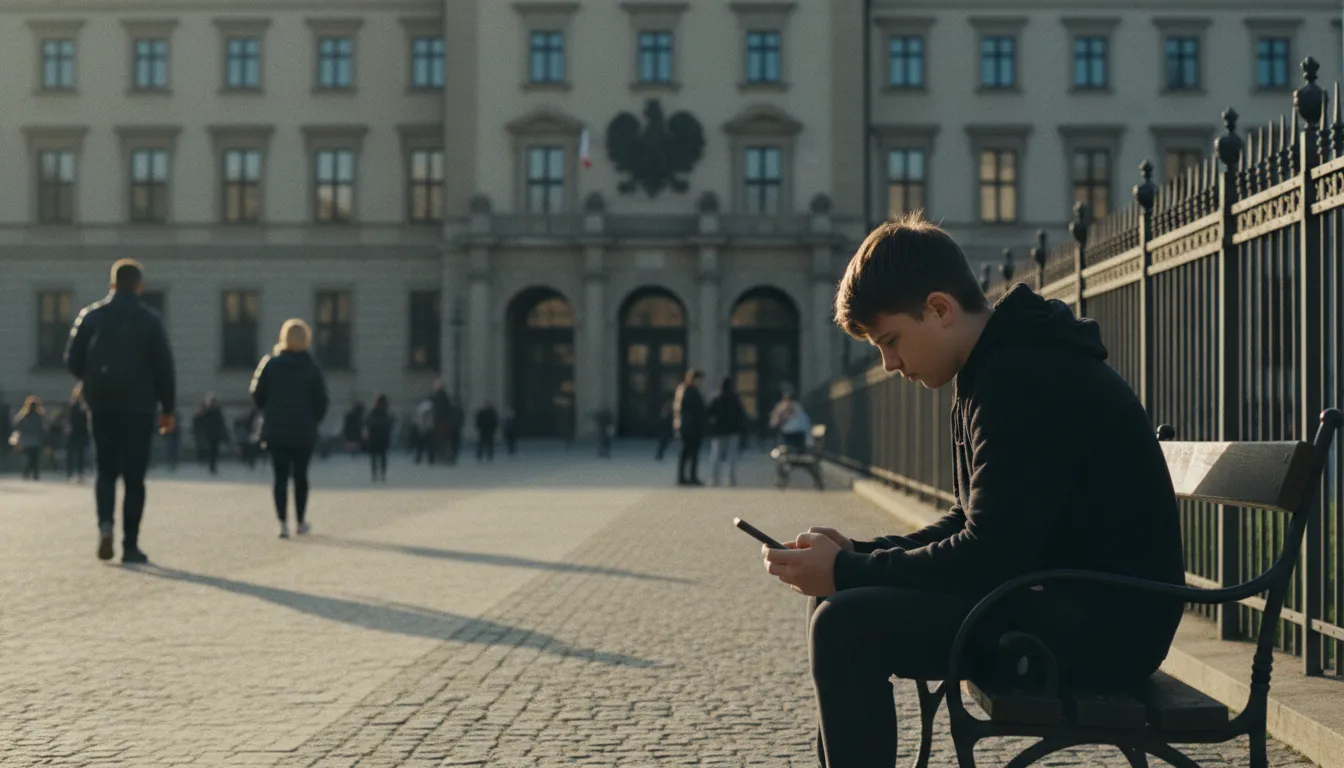
KO Presents Draft Law — Penalties Up to 6 Percent of Revenue
Poland is joining a growing number of European countries that have decided to legally restrict children's access to social media. The Civic Coalition (KO) has presented the outlines of a bill banning the use of social media platforms by individuals under the age of 15. If passed, the law could come into effect as early as the beginning of 2027.
Minister of Education Barbara Nowacka, one of the main initiators of the project, announced strict financial sanctions for platforms that do not meet the requirements. Companies operating social networking sites that do not implement effective age verification may be fined up to 6 percent of their annual global revenue — which, in the case of giants such as Meta or TikTok, means amounts in the billions of dollars.
The bill stipulates that the responsibility for verifying the age of users rests directly with the platforms, not with parents or schools. Nowacka pointed out that the new regulations are intended to protect children from violence, hate speech and peer pressure, as well as to counteract the deepening mental health crisis among young people.
Children's Mental Health at the Center of Debate
Justifying the need for regulation, Minister Nowacka cited data indicating a decline in intellectual competence and a deterioration in mental health among Polish children and adolescents. Studies conducted in many countries indicate a link between intensive use of social media and an increase in depression, anxiety and sleep disorders in adolescents.
The project includes not only the ban itself, but also educational activities aimed at children, parents and the whole society. The government is announcing an information campaign about the dangers of uncontrolled access of minors to digital platforms. Starting in September 2026, students will not be allowed to use telephones during school hours.
Poland Among European Pioneers of Regulation
The initiative is part of a broader European legislative trend. France was the first in the EU to pass a ban on social media for people under the age of 15, which is scheduled to come into effect with the new school year. Greece, Denmark and Slovenia are considering similar restrictions for the same age group, while Spain and Portugal propose a limit of 16 years — with Portugal already adopting the relevant law in February 2026.
At the EU level, the European Parliament has proposed restricting access to social media for people under the age of 16. The Polish regulation — with a limit of 15 years — is in the middle of the European spectrum and is consistent with Australian solutions, which came into force at the end of 2025 and became a global point of reference.
Confrontation with Big Tech Inevitable
The Civic Coalition's project implies a potential conflict with the largest American technology corporations. Meta (Facebook, Instagram), TikTok, Snapchat and other platforms have for years resisted strict regulations regarding minors, pointing to technical difficulties with age verification and risks to user privacy.
Critics of the project point out that effective enforcement of the ban will be extremely difficult — young users can easily circumvent restrictions by providing a false age or using their parents' accounts. Supporters respond that even imperfect law sends an important signal and forces platforms to invest in verification systems.
The project still has to go through the full legislative path in the Sejm and Senate. If signed by the president, Poland will become one of the first EU countries with comprehensive regulations protecting children in the digital public space.