Smartphone Ban in Schools: Poland Prioritizes Child Protection
Poland is moving towards a nationwide ban on smartphones in primary schools. Speaker Hołownia compares phone addiction to alcohol, Minister Nowacka supports the changes, and the implementation date for the ban is September 2026.
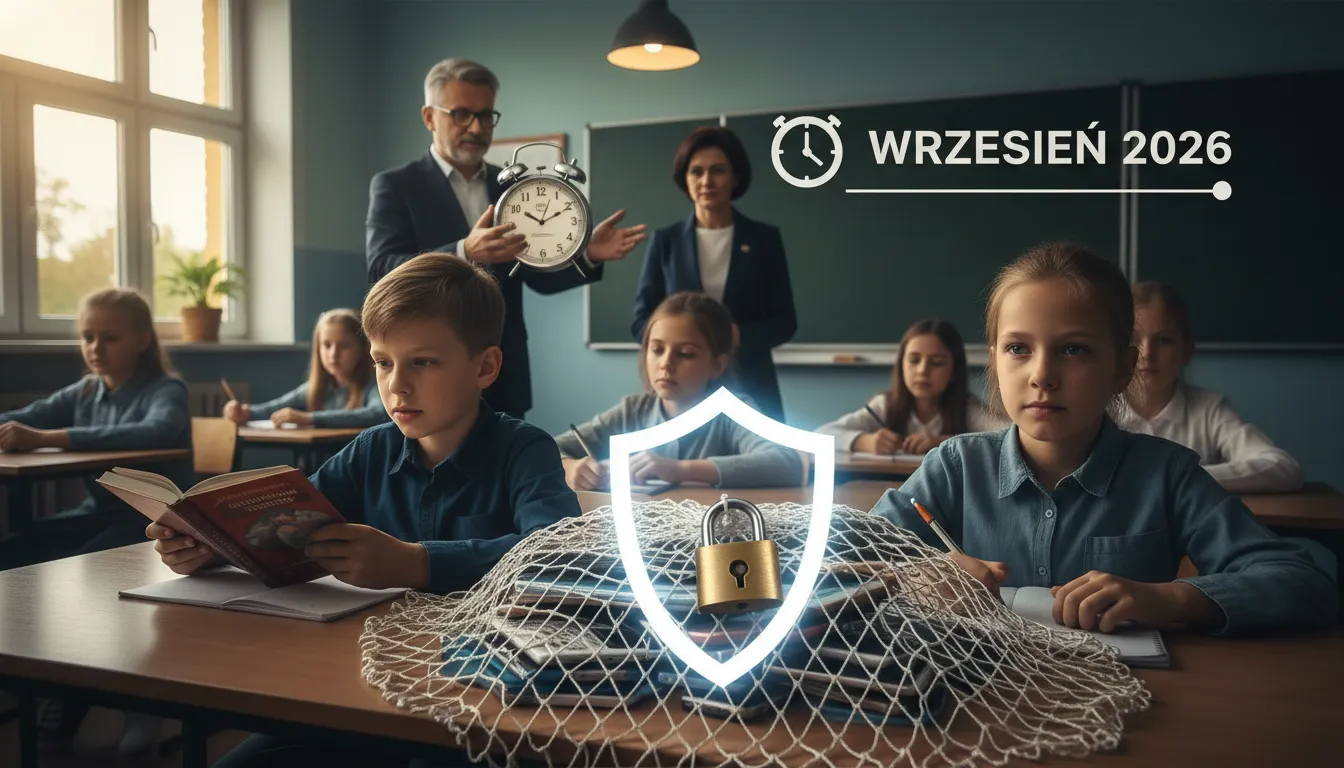
Smartphone Like Alcohol — Hołownia and Nowacka Sound the Alarm
Poland is facing a pivotal decision regarding the protection of children in the school environment. Sejm Speaker Szymon Hołownia, leader of the Poland 2050 movement, compared smartphone addiction to alcohol and drugs, demanding the urgent introduction of a nationwide ban on the use of mobile phones by primary school students. "For some reasons, we have banned alcohol, drugs, and knives in schools — a smartphone can be just as dangerous," Hołownia argued. Education Minister Barbara Nowacka declared her readiness to act: "If this is a tool that teachers need, I will gladly do it for them."
Draft Law: Ban from Grades 1 to 8
On June 27, 2025, the Poland 2050 – Third Way parliamentary club submitted a draft amendment to the Education Law to the Sejm, which provides for a mandatory ban on the use of smartphones by students in grades 1–8 during their time at school. The draft passed its first reading with broad support in parliament. Upper secondary schools would retain autonomy in setting their own rules.
However, the legislative process has encountered difficulties. Although politicians initially announced that the regulations would come into force in September 2025, the Ministry of National Education announced a new date: September 1, 2026. The delay stems from an ongoing dispute over the regulatory model — whether the ban should be imposed from above or left to the autonomy of individual institutions.
Scale of Digital Addiction — The Numbers Speak for Themselves
Alarming data underscores the urgency of the changes. According to a NASK report, Polish children spend an average of five hours a day with their smartphones, and more than half of students (55%) admit that they should limit their phone use. As many as 30 percent of teenagers have experienced cyberbullying, and mobile devices are the main tool for its escalation.
Experts emphasize that excessive screen use affects academic performance, mental health, and peer relationships. The Institute of Civic Affairs points out that studies from 2024–2025 clearly confirm the negative impact of smartphones on youth development, especially at school age.
Poland in the Context of Europe
Poland is not alone. Among the countries of the European Union, bans or strict restrictions in schools have been introduced in France (since 2018), the Netherlands (school year 2024/2025), Belgium (Wallonia, from 2025), Luxembourg, and Latvia. Greece, on the other hand, requires students to keep their phones in their bags throughout the school day.
As Euronews points out, the debate is gaining momentum across Europe — governments are increasingly recognizing that voluntary school regulations are not enough to address the scale of digital addiction among children. In Poland, about 60 percent of schools already have their own regulations regarding phones, but experts agree that piecemeal solutions are not enough.
What's Next?
The target date for implementing the ban is September 2026. The Ministry of Education is conducting public consultations on the draft law, and parliamentary work is gaining momentum. The government faces a challenge: how to effectively protect children from digital threats without depriving schools of digital education tools. One thing is certain — Poland is joining a European trend that indicates that a smartphone in the classroom is not a privilege, but a risk.