Szijjártó Accuses Ukraine of Weaponizing TurkStream Pipeline
Hungarian Foreign Minister Péter Szijjártó claims Ukraine is deliberately attacking the TurkStream gas pipeline to influence the April 12 parliamentary elections through an energy crisis. Ukraine denies the accusations, while the EU remains hesitant to take a position.
Accusations and Counter-Accusations Surrounding the Gas Pipeline
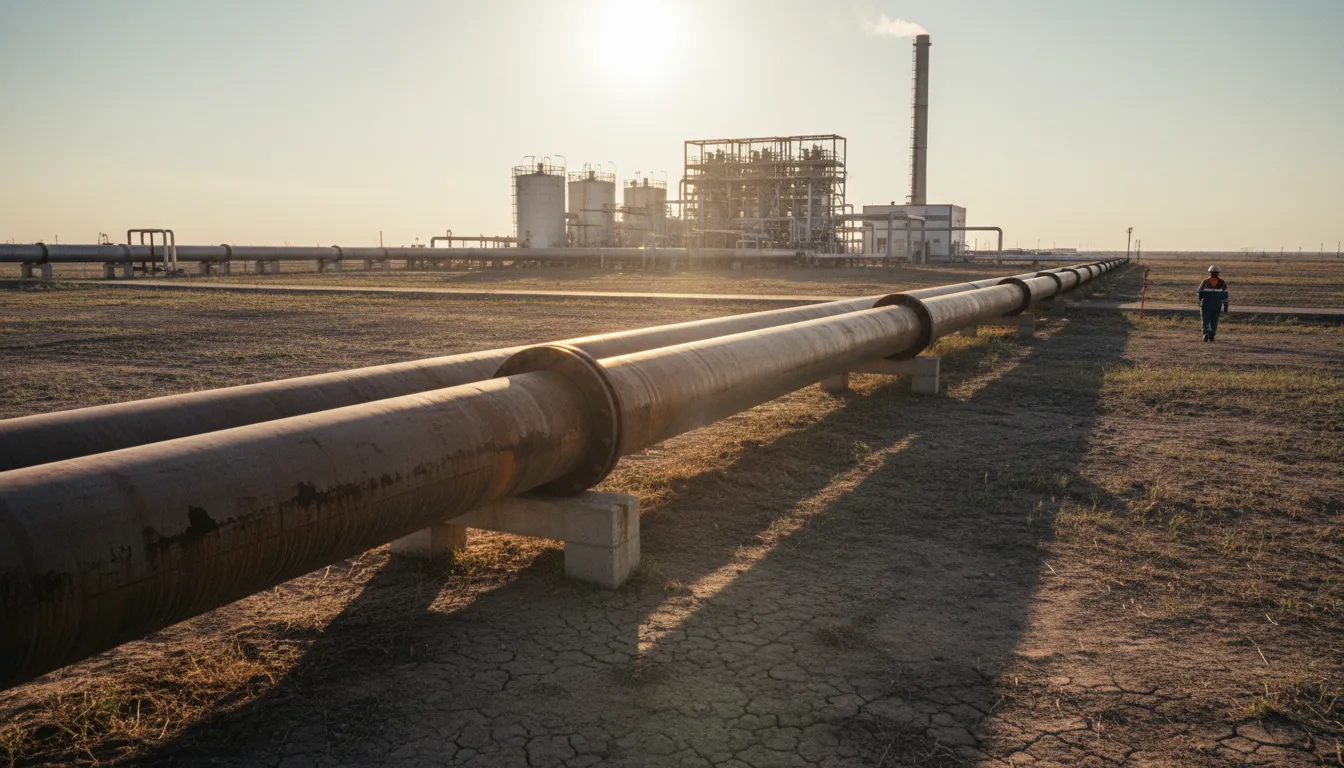
On the evening of March 11, Hungarian Minister of Foreign Affairs and Trade Péter Szijjártó issued a strongly worded statement accusing Ukraine of deliberately attacking the Russian infrastructure of the TurkStream pipeline. According to the minister, Ukraine launched a drone strike on the Russkaya compressor station in the Krasnodar region, a key element of Hungary's gas supply. "Ukraine has now attacked the Russian infrastructure of TurkStream, which ensures Hungary's gas supply," the minister wrote on social media, citing a previous statement from Gazprom.
The Russian energy giant claimed that on March 10-11, Ukrainian forces launched several air strikes against the compressor stations of TurkStream and Blue Stream, but these were successfully repelled. Ukraine has not yet commented on the accusations, according to the Kyiv Independent.
The Election Connection
Szijjártó believes that the timing is not coincidental. He argues that actions endangering Hungary's energy security exactly one month before the parliamentary elections scheduled for April 12 are part of a coordinated election interference effort. The minister also recalled that Russian crude oil deliveries via the Druzhba pipeline have been suspended since January 27, which Ukraine attributed to a pipeline damage, contributing to fuel prices rising close to 1000 forints.
"Ukraine is ready for anything to influence the Hungarian elections," said Szijjártó, quoted by Index.hu. Gergely Gulyás, the Minister heading the Prime Minister's Office, also acknowledged that access to Russian gas is "not at all certain."
Reactions from Ukraine and the EU
Kyiv strongly rejects the accusation. The Ukrainian Foreign Ministry previously stated that the Budapest delegation "does not have official status" in the negotiations, and Ukraine is not responsible for Hungary's energy shortages. According to the Kyiv Post, Ukraine's strategy is to reduce Russian fossil fuel revenues, and it has previously carried out drone strikes against Russian energy facilities for this purpose.
The European Union is taking a cautious stance for the time being. Brussels has not confirmed the Hungarian accusations, but according to Ukrainska Pravda, Budapest has submitted a protest note to Kyiv, further exacerbating the already tense relations between the two countries.
The Tightest Race in 16 Years
The gas dispute has erupted at a particularly sensitive moment: opinion polls suggest that the April 12 election could be the closest contest for Fidesz since 2010. According to an analysis by Euronews, poll results are highly divided among different institutes: researchers with an opposition bias show Péter Magyar's Tisza Party in the lead, while pro-government institutes consider Fidesz-KDNP to be ahead. According to Bloomberg, Viktor Orbán's campaign has picked up in recent weeks, and the opposition's previous lead appears to be narrowing.
The issue of energy prices and security of supply is thus directly at the center of the election campaign. Viktor Orbán has been emphasizing for months that protecting cheap Russian energy is in Hungary's fundamental interest, while Péter Magyar and the Tisza Party are campaigning on eliminating Russian energy dependence. The gap between the two positions is becoming increasingly clear in light of the Ukrainian-Hungarian energy dispute.
Who is Responsible?
Assessing the situation is complicated by the fact that information about the alleged strike on the compressor station has so far come exclusively from Russian sources, and independent confirmation is not available. Ukraine regularly carries out drone strikes against Russian energy infrastructure – this is a documented fact from a military-strategic point of view – but Kyiv naturally denies that these are specifically aimed at the Hungarian elections. The dispute clearly shows how deeply intertwined the Russian-Ukrainian war, European energy policy, and the Hungarian domestic political struggle have become.