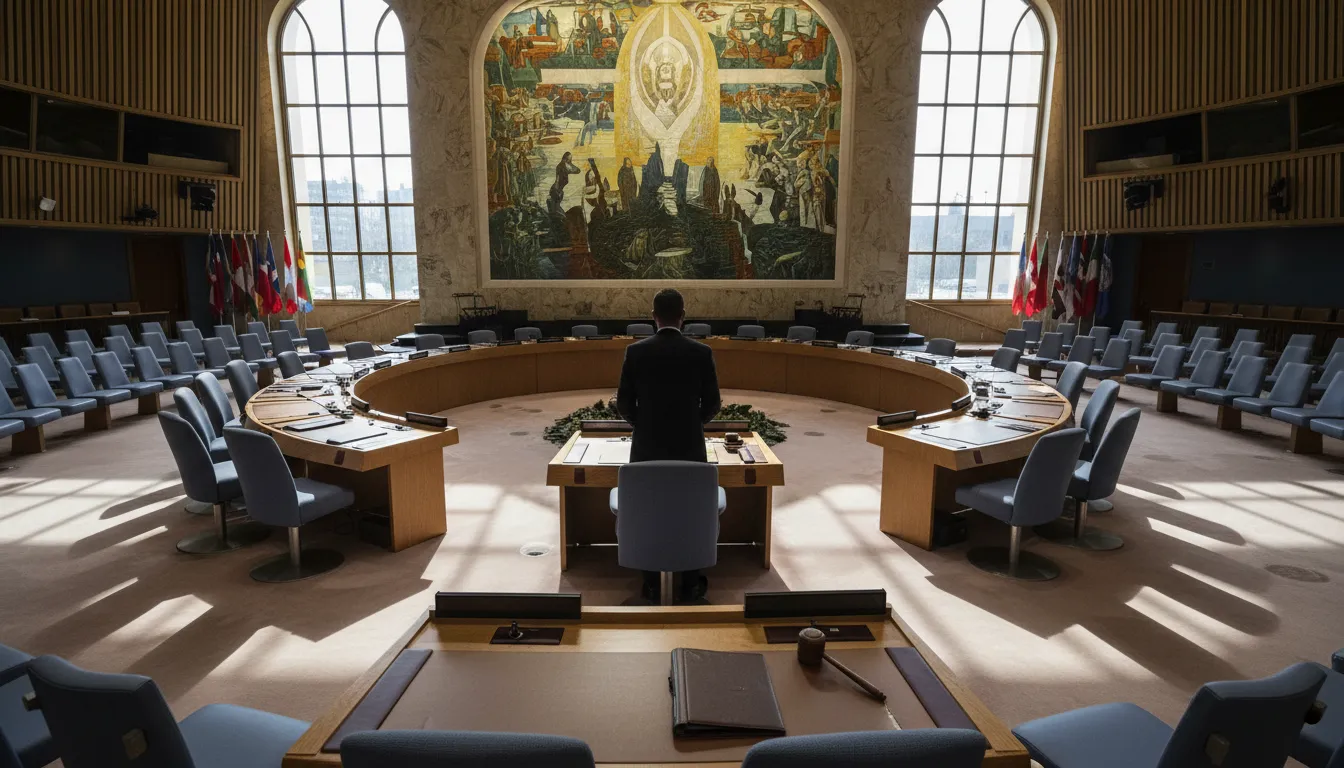
Trump Bombs Kharg Island as Iran War Enters Day 14
President Trump declared that the U.S. has 'totally obliterated' every military target on Iran's Kharg Island oil hub, while Iran fired a new missile salvo at Israel — as the two-week-old conflict continues to rattle global energy markets.
Trump's Warning Shot at Iran's Oil Lifeline
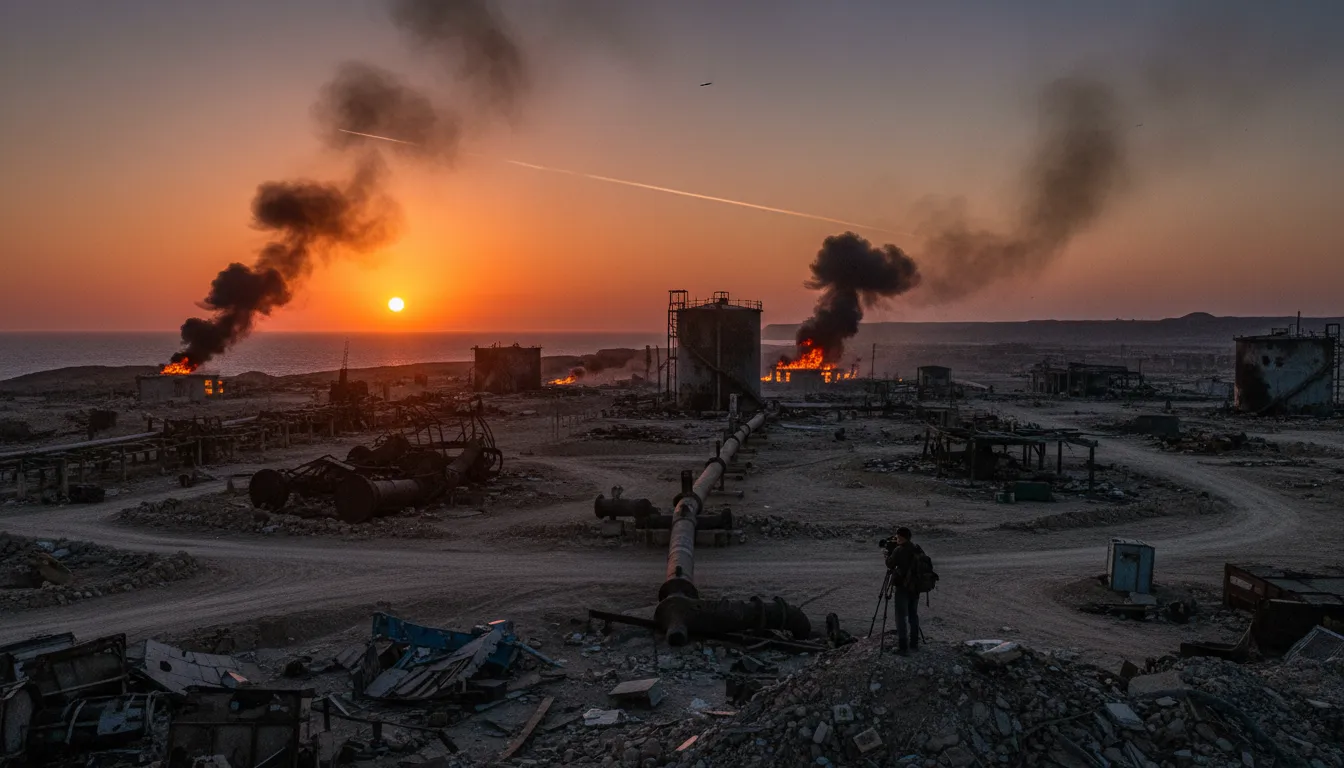
U.S. President Donald Trump on Friday declared that the United States had executed "one of the most powerful bombing raids in the history of the Middle East" against Iran's Kharg Island — the Persian Gulf hub through which an estimated 90 percent of Iran's crude oil exports flow. Speaking on Truth Social, Trump said American forces had "totally obliterated every military target" on the island, including army defenses, the Joshen Sea Base, an airport control tower, and a helicopter hangar.
More than 15 explosions were reported on the island during the strikes, according to CNBC. Trump was careful to note that he had "chosen NOT to wipe out the oil infrastructure on the island" — for now. But he issued a stark ultimatum: if Iran does not halt its blockade of the Strait of Hormuz, he will immediately reconsider that restraint.
Iran Fires Back at Israel
Tehran wasted little time in responding. Hours after Trump's announcement, Iran launched a fresh salvo of ballistic missiles toward Israel, prompting the Israeli military to order residents in targeted areas to take shelter. Al Jazeera reported that Israeli air defense systems successfully intercepted the incoming Iranian missiles, while Hezbollah simultaneously fired approximately 150 rockets into northern Israel from Lebanese territory.
Iran's new supreme leader, in a regime-released statement, vowed to keep the Strait of Hormuz blocked to ships from the United States, Israel, and their Western allies — a posture Tehran has maintained since early March, when the Islamic Revolutionary Guard Corps announced partial restrictions on maritime passage through the strategic chokepoint.
A Conflict Now Two Weeks Old
Friday marked the 14th day since the U.S. and Israel launched joint airstrikes on Iran beginning February 28, 2026 — a campaign that included a decapitation strike that killed former Supreme Leader Ali Khamenei. Since then, the human toll inside Iran has mounted sharply. Iranian authorities report at least 1,444 people killed and more than 18,551 wounded, according to figures cited by CBS News. Casualties have also been reported in Israel, Lebanon, and the UAE as Iran's retaliatory strikes ripple across the region.
Energy Markets Under Severe Pressure
The economic shockwaves have been immediate and severe. Brent crude, the international oil benchmark, rocketed from roughly $70 per barrel before the conflict to a peak near $120 — a roughly 70 percent spike — before partially retreating. As of Friday, Brent remained above $100 per barrel, with analysts at Oxford Economics warning that a prolonged closure of the Strait of Hormuz could push prices to levels that would fracture parts of the global economy.
The strait normally handles more than 20 percent of globally traded oil. With tanker traffic having dropped by an estimated 70 percent at the height of the crisis, international energy agencies have authorized emergency releases from strategic petroleum reserves — so far with limited effect on prices, according to NBC News.
No End in Sight
Trump insisted the military campaign is "very far ahead of schedule," but the two-week mark has arrived with no diplomatic off-ramp in sight. Iran's leadership shows no signs of standing down, global energy markets remain on edge, and the civilian death toll continues to rise. The strike on Kharg Island represents a significant escalation — targeting the financial backbone of the Iranian state — even as Washington insists it stopped short of destroying the oil infrastructure itself. Whether that distinction holds in the days ahead may well determine the trajectory of a conflict that is already reshaping the Middle East and the world economy.