Trump's 15% Tariffs Take Effect, Rattling Global Trade
President Trump's new 15% global tariffs, imposed under Section 122 of the Trade Act of 1974, took effect on February 24 after the Supreme Court struck down his earlier IEEPA tariffs — setting up a 150-day countdown and fresh transatlantic trade tensions.
A New Tariff Era Begins Under an Old Law
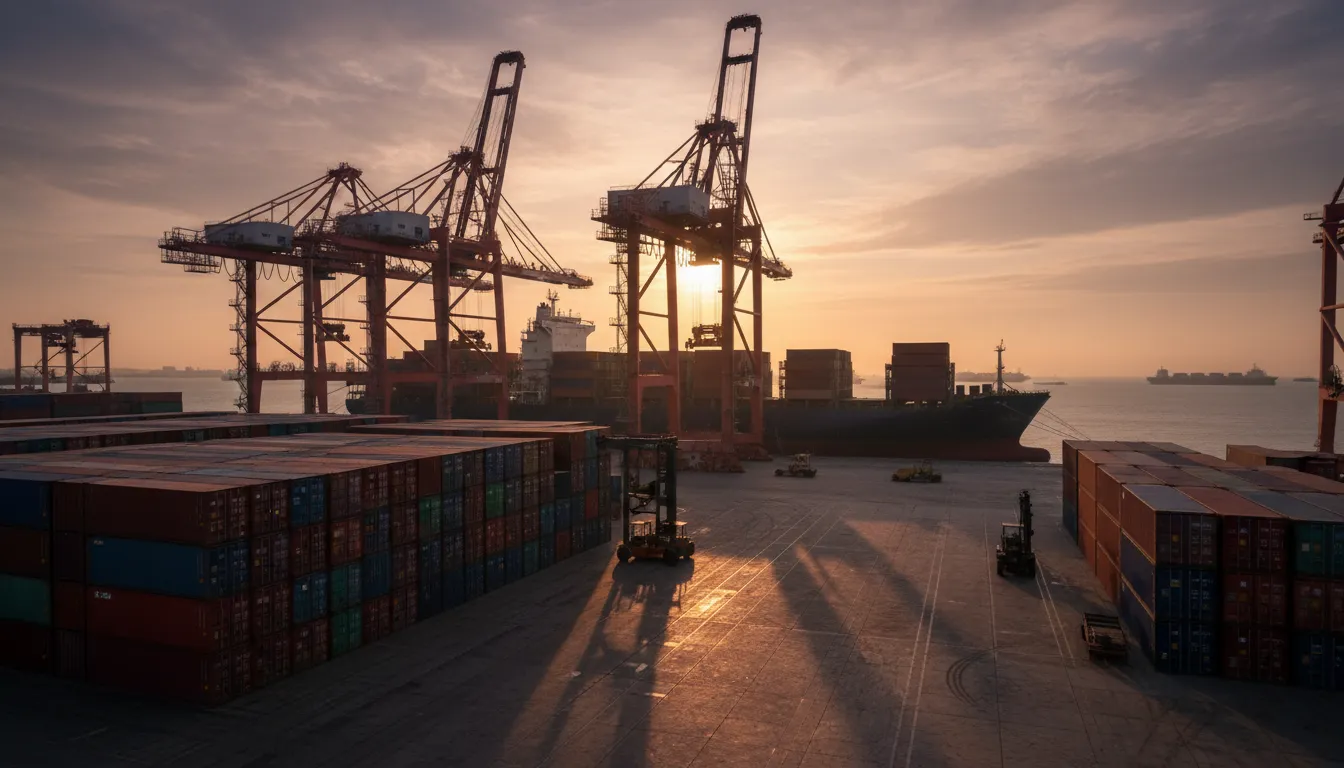
A sweeping new chapter in global trade opened on Monday, February 24, as President Donald Trump's 15% universal import tariff took effect — replacing the emergency-powers levies that the U.S. Supreme Court had struck down just four days earlier. The move, executed under a rarely-used Cold War-era statute, has reignited fears of a prolonged trade war and clouded the outlook for international commerce.
The Supreme Court Ruling That Forced a Pivot
On February 20, the Supreme Court issued a 6-3 ruling in Learning Resources, Inc. v. Trump, holding that the International Emergency Economic Powers Act (IEEPA) does not authorize the president to impose tariffs. Chief Justice John Roberts wrote that "IEEPA contains no reference to tariffs or duties" — invalidating the broad reciprocal and country-specific levies Trump had built his trade agenda on.
The administration, apparently anticipating the decision, had an alternative ready. Within hours, Trump invoked Section 122 of the Trade Act of 1974, which empowers the president to impose duties of up to 15% for up to 150 days to address a "large and serious balance-of-payments deficit." He first announced a 10% rate, then — within 24 hours — escalated to 15%, the statutory maximum, effective February 24.
The July 24 Deadline: A Ticking Clock
Unlike IEEPA tariffs, Section 122 duties carry a hard expiration date: 150 days after imposition, or around July 24, 2026. Unless Congress votes to extend them — a fraught prospect in a divided legislature with midterm elections looming — the tariffs will automatically lapse. Analysts are already calling this the "tariff cliff," a high-stakes legislative deadline that will force lawmakers to either codify protectionist trade policy or allow it to expire.
Legal challenges are also expected. Scholars note that the administration's claim of a balance-of-payments emergency may face court scrutiny, since the U.S. runs the world's largest current-account deficit partly by design, not by crisis, according to analysis from the Council on Foreign Relations.
Europe Freezes the Turnberry Deal
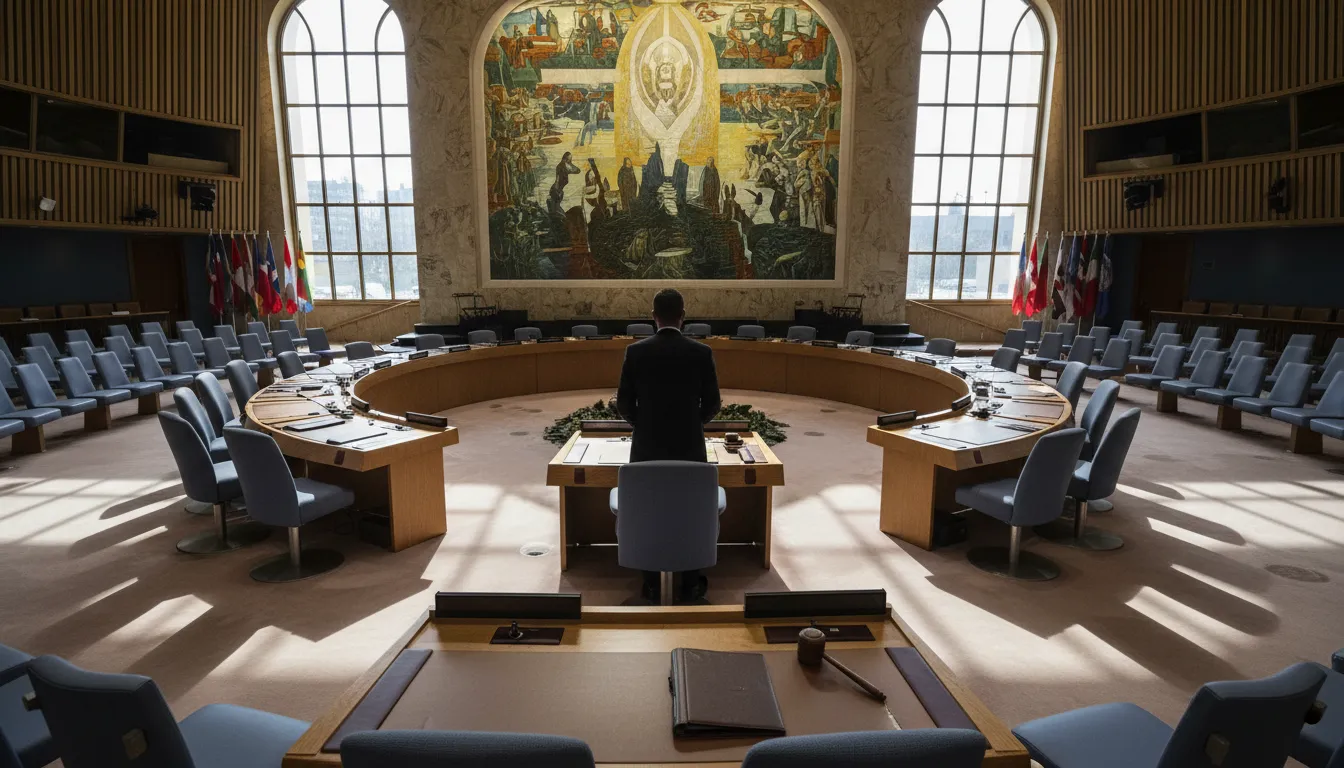
The fallout was immediate in Brussels. The European Parliament voted to halt ratification of the Turnberry Agreement — a landmark transatlantic trade accord meant to stabilize a multitrillion-dollar economic relationship — after concluding that the new 15% surcharge directly violates the deal's terms. Because the tariff functions as a surcharge stacked on top of existing duties, it pushes a significant portion of EU exports above the rates the agreement had locked in.
Bernd Lange, chair of the Parliament's trade committee, called for suspending legislative work "until we have a comprehensive legal assessment and clear commitments from the U.S." The EU has also signaled it stands ready to retaliate if Washington does not carve out European goods from the universal surcharge, according to reporting by Time.
Markets Signal Growing Unease
Wall Street responded with sharp losses on Monday. The Dow Jones Industrial Average fell 823 points (1.66%), its worst day in a month, while the S&P 500 shed 1.04% and the Nasdaq dropped 1.13%. The CBOE Volatility Index (VIX) surged above 20 — a threshold widely seen as signaling elevated investor anxiety. Gold climbed above $5,200 per troy ounce, reflecting a rush toward safe-haven assets.
What Comes Next
With July 24 now firmly on the calendar as a defining date, three forces are converging: an administration determined to sustain tariff pressure by any legal means, a Congress unwilling or unable to act decisively, and trading partners — particularly the European Union — recalibrating their commitments. The next 150 days may prove as consequential for global trade as any period since the 2018-2019 trade war that first defined Trump's economic legacy.