Trump Threatens Spain After It Denies Use of Bases for Iran Attack
Prime Minister Pedro Sánchez's refusal to allow the use of the Rota and Morón bases for U.S. attacks against Iran has triggered an unprecedented diplomatic crisis with Washington and threats of trade retaliation.
The Refusal That Shook the Atlantic Alliance
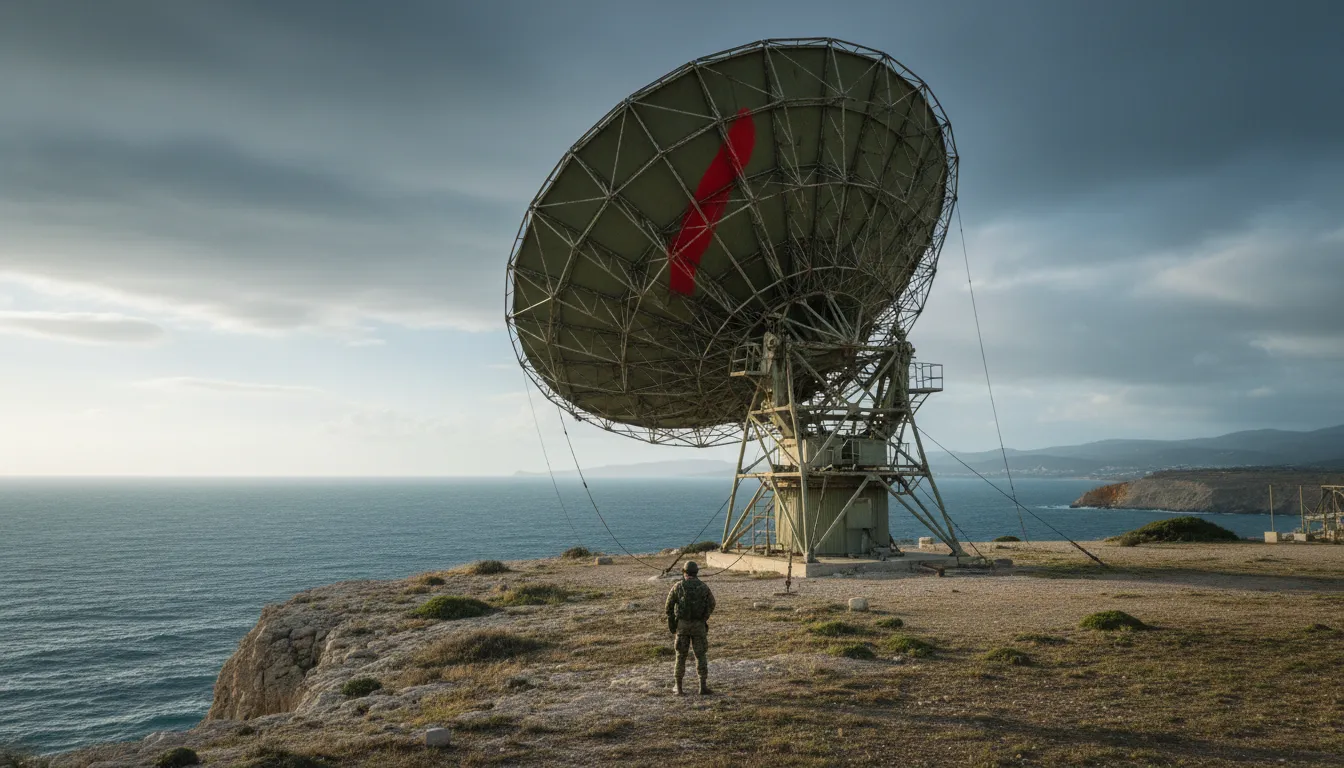
The Spanish government has triggered one of the most serious diplomatic crises in its recent history by refusing to allow the United States to use the joint military bases of Rota and Morón de la Frontera—both in Andalusia—as an operations platform for attacks against Iran. Foreign Minister José Manuel Albares was blunt: "Spanish bases are not being used for this operation, and will not be used for anything that is not contemplated in the agreement with the United States or in the Charter of the United Nations," he declared, according to Al Jazeera.
The legal basis for the refusal is the Bilateral Defense Cooperation Agreement of 1988, which requires Spanish authorization for certain military operations originating from national soil. The Sánchez government considered that the attacks against Iran—internally dubbed Operation "Epic Fury"—do not fit within this legal framework and do not have the backing of the UN Security Council.
Sánchez: "No to War"
The Prime Minister summarized the Spanish position in four words: "No to war." Sánchez described the U.S. and Israeli military offensive against Iran as a "disaster for humanity" and urged against repeating the mistakes made during the 2003 invasion of Iraq. "We will not be complicit in something that is bad for the world and contrary to our values and interests simply out of fear of retaliation from someone," he stated, according to The Washington Post.
As an immediate consequence of the Spanish refusal, the United States moved some 15 aircraft, including refueling tankers, from the Rota and Morón bases to other locations in the region.
Trump's Trade Threat
President Donald Trump's response was swift. Speaking to the media in the Oval Office, he described Spain as "terrible" and ordered his Treasury Secretary, Scott Bessent, to cut off all trade relations with the country. "We are going to cut off all trade with Spain. We don't want anything to do with Spain," Trump declared, according to CNBC. Bessent even accused Madrid of "endangering the lives" of American soldiers.
The threat generated immediate alarm in the markets and in the Spanish export sector. According to ICEX data, nearly 27,000 Spanish companies operate actively in the U.S. market, including large corporations such as Iberdrola, Santander, Repsol, ACS, and FCC.
EU Backs Spain
The European response was one of unanimous support for Madrid. The European Commission recalled that trade policy is the exclusive competence of the Union, which legally hinders any unilateral retaliation by Washington against a member state. The President of the European Council, António Costa, expressed the EU's "full solidarity" with Spain, reaffirming the commitment to international law. French President Emmanuel Macron—whose country also questioned the legality of the attacks—personally called Sánchez to express his support, according to Euronews.
The crisis also generated a tense exchange of contradictory statements: the White House briefly claimed that Spain had agreed to cooperate with U.S. operations, but Minister Albares immediately and categorically denied it.
Implications for NATO and Latin America
The incident has reopened the debate about Spain's role within the Atlantic Alliance and about its defense spending, which remains below the 2% of GDP threshold required by NATO. Spain is not alone in its position: several Latin American countries have supported the call for dialogue and respect for international law, distancing themselves from the position of other European allies who supported the military operation. The European Council on Foreign Relations argued in an analysis that European partners should support Spain against Washington's pressure, considering that European strategic autonomy is at stake.
The bilateral crisis between Madrid and Washington, unprecedented in decades, raises fundamental questions about the future of the U.S. military presence on Spanish soil and about the limits of national sovereignty within collective alliances.


