Slovakia and Hungary Escalate Druzhba Pipeline Dispute at EU Level
On March 4, 2026, Slovakia and Hungary formally presented their dispute over the halted Druzhba oil pipeline at a meeting of the EU Oil Coordination Group, accusing Kyiv of deliberately prolonging the outage. The EU is urging Ukraine to allow inspectors access, while Hungary is increasing pressure, including through talks in Moscow.
Outage Lasting Since January
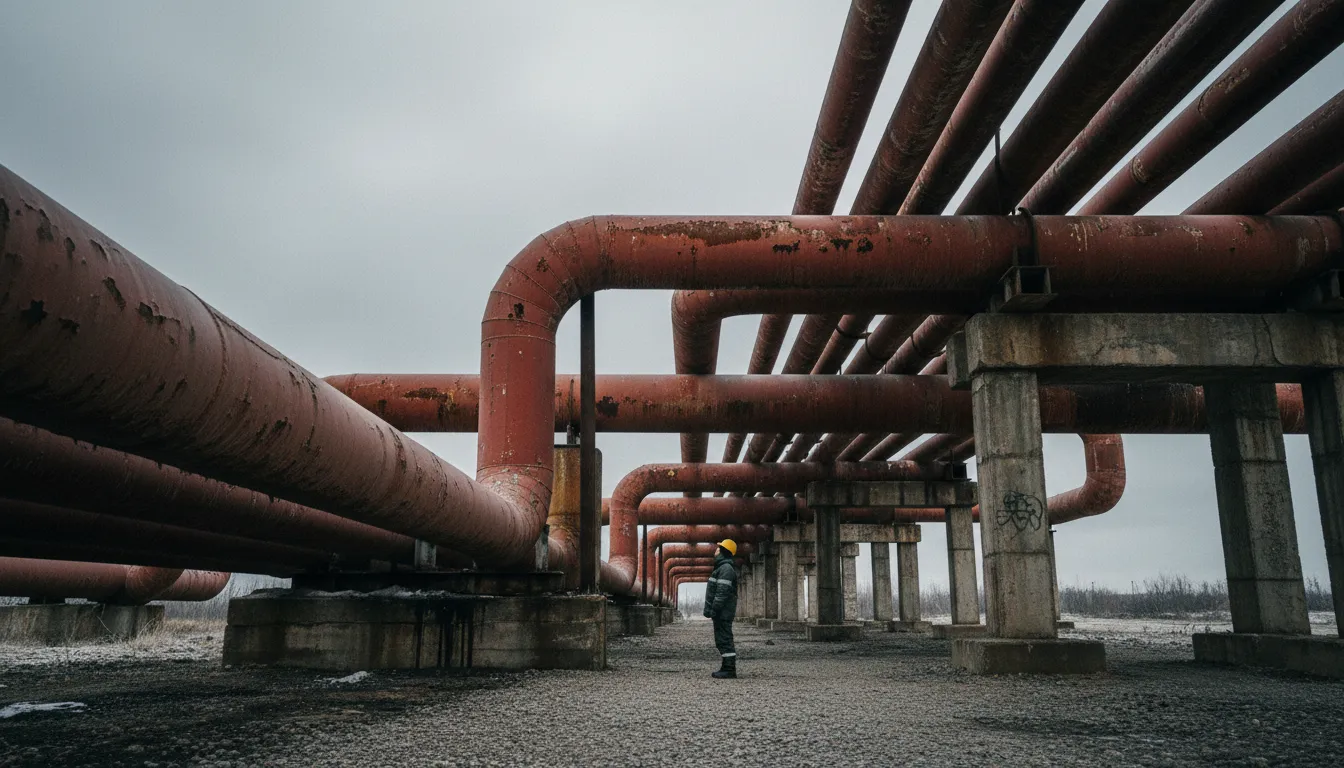
Supplies of Russian oil via the southern branch of the Druzhba pipeline halted on January 27, 2026, following a Russian drone attack on pipeline facilities near the Brody hub in western Ukraine. Kyiv acknowledged the attack and claims that repairing the extensive damage will take time. Slovakia and Hungary, which are energy-dependent on this route, are meanwhile drawing on strategic reserves and escalating diplomatic pressure on Brussels.
Dispute Over the Actual State of the Pipeline
Budapest and Bratislava reject the Ukrainian version of events. Hungarian Prime Minister Viktor Orbán published satellite images allegedly showing the infrastructure intact and described the supply stoppage as deliberate "blackmail." Slovak Prime Minister Robert Fico joined him, claiming that Zelenskyy is also blocking any inspection of the pipeline. Kyiv rejected the objections, stating that the repairs are extensive and the security situation in the area does not allow for quick access to the site for foreign entities.
EU Urges Kyiv to Allow Inspection
At the meeting of the EU Oil Coordination Group on March 4, both countries formally lodged a complaint against Kyiv. The Financial Times reported that the European Commission subsequently called on Ukraine to allow independent inspectors access to the damaged section of the pipeline. Some member states, which otherwise openly support Kyiv, have also begun to support the request for an inspection. The Commission also assured that there is no immediate threat to supply, as both countries are drawing on strategic reserves – however, a longer-term outage would pose a serious problem for their refineries.
Szijjártó in the Kremlin: Budapest's Bilateral Game
While Bratislava and Budapest were putting pressure on Brussels, Hungarian Foreign Minister Péter Szijjártó traveled to Moscow on March 4, where he was received by President Vladimir Putin. The topic of discussion was the situation surrounding the Druzhba pipeline and guarantees for the continued supply of cheap Russian oil. The visit sparked criticism in several European capitals: at a time when the EU is seeking a common diplomatic solution, Budapest is strengthening bilateral ties with Moscow.
What is at Stake for Slovakia
The outage has particularly serious consequences for Slovakia. The Slovnaft refinery, Slovakia's only refinery, is technologically adapted exclusively to processing Russian oil. Fico has threatened to withdraw support for Ukraine's EU candidacy if supplies are not restored. Hungary has gone even further – Orbán has announced a block on an EU loan for Kyiv worth €90 billion and has also blocked the Union's 20th package of anti-Russian sanctions.
Brussels Seeks Compromise
The situation reveals a deeper division within the EU: how to balance the energy interests of two member states with the need to maintain unified support for war-torn Ukraine. Kyiv insists on repairs and refuses inspection for security reasons, while Slovakia and Hungary are increasing pressure, including through threats to European commitments to Ukraine. Brussels finds itself in the role of mediator, whose solution – in a time of active conflict – remains open.