Trump Touts Iran's 'Total Defeat' as Hormuz Warships Mobilize
On Day 15 of the US-Israel conflict with Iran, President Trump declared Tehran 'totally defeated' and seeking a deal, while calling on China, France, Japan, South Korea and the UK to dispatch warships to the Strait of Hormuz. Oil remains above $100 a barrel as Iran continues missile strikes on Gulf neighbors.
Trump's Claim of Victory — and a Deal Not Yet Made
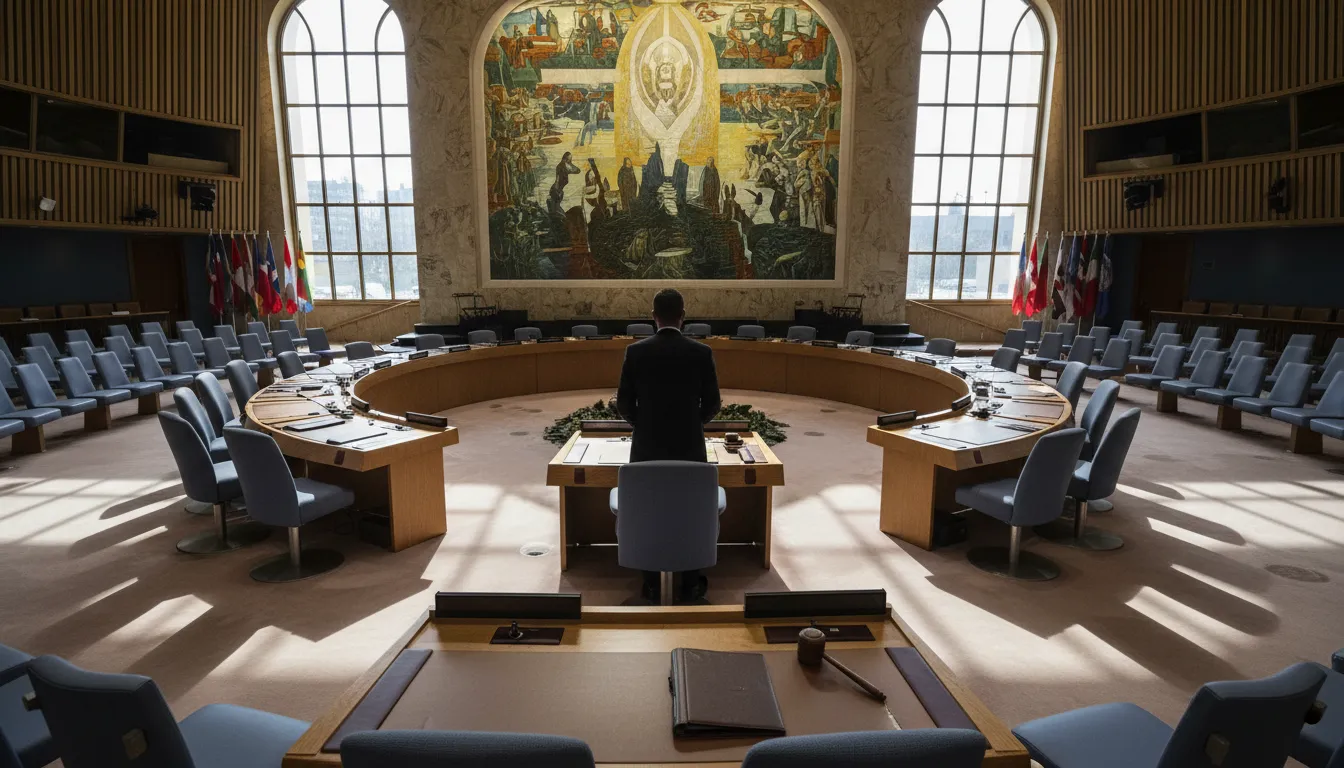
Fifteen days into the US-Israel military campaign against Iran, President Donald Trump took to Truth Social late Friday with a blunt verdict: the Islamic Republic is "totally defeated and wants a deal — but not a deal that I would accept." The statement captures the paradox at the heart of the current conflict — an adversary Trump portrays as broken, yet negotiating terms remain elusive.
The White House has oscillated between triumphalism and maximalism. Earlier in March, Trump had posted there would be "no deal with Iran except UNCONDITIONAL SURRENDER." Now, he acknowledges Tehran is signaling willingness to negotiate while insisting no offer on the table meets his standard. Iran's Foreign Minister Abbas Araghchi, for his part, said talks with Washington are "off the table" given past "bitter experiences," even as military pressure mounts on both sides, according to NBC News and Al Jazeera.
The Hormuz Gambit: Calling in Allies
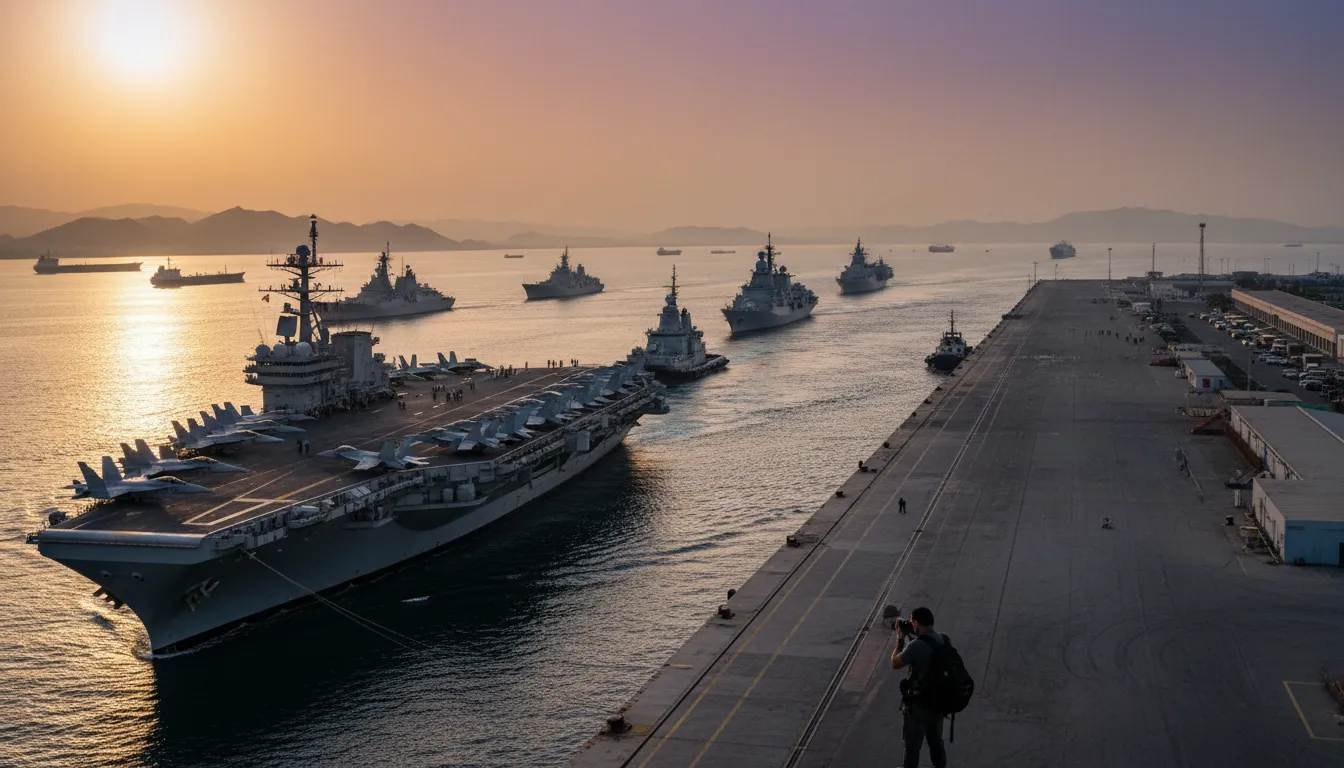
With Iran maintaining partial control over the world's most critical oil chokepoint, Trump on Saturday called on a sweeping roster of nations — China, France, Japan, South Korea, and the United Kingdom — to send warships to the Strait of Hormuz "in conjunction with the United States" to keep the corridor open and safe. He vowed the US would "be bombing the hell out of the shoreline" while shooting Iranian vessels "out of the water," according to Fortune and Axios.
Iran's Islamic Revolutionary Guard Corps Navy chief pushed back, insisting the strait is "not yet militarily closed — merely under control," and warned that any vessel linked to "aggressors and their allies" attempting transit would be targeted. The IRGC claimed US accounts of Iranian naval losses were fabricated.
A limited workaround has emerged: the strait remains partially navigable for ships flying neutral flags — Turkey, India, and Saudi Arabia among them — a concession that reduces but does not eliminate the global energy squeeze.
Missiles Over the Gulf
Iran escalated its regional reach overnight, launching missile and drone strikes against Saudi Arabia and the United Arab Emirates. Both countries reported successful interceptions. The UAE's Jebel Ali port and Abu Dhabi port infrastructure have been targeted in earlier strike waves, while Saudi air defenses neutralized drones aimed at the Shaybah oilfield, according to Al Jazeera. Explosions were heard overnight near Tehran and in the Shiraz region as US airstrikes continued inside Iran.
Oil Above $100 — and Holding
Energy markets remain on edge. Brent crude is holding above $100 a barrel, having spiked to $126 at its peak earlier this month — the highest level in years. Analysts at Al Jazeera and CNBC describe the disruption as the worst to global energy supply since the 1970s oil crisis. The partial reopening of Hormuz for neutral-flag vessels has taken some pressure off, but markets remain skittish as long as the military confrontation continues.
What Comes Next
The diplomatic picture is murky. Trump's language suggests he envisions Iranian capitulation rather than a negotiated settlement, yet his acknowledgment that Tehran is seeking terms implies some channel — however informal — remains open. Whether the international warship coalition materializes, and whether Iran's Gulf missile campaign widens the conflict, will likely define the next phase of a crisis now entering its third week with no clear off-ramp in sight.