US-Iran Nuclear Talks Resume Amid Military Buildup
The second round of US-Iran nuclear talks opens in Geneva as Washington deploys a second aircraft carrier to the Middle East. Iran insists zero enrichment is off the table while offering transparency measures.
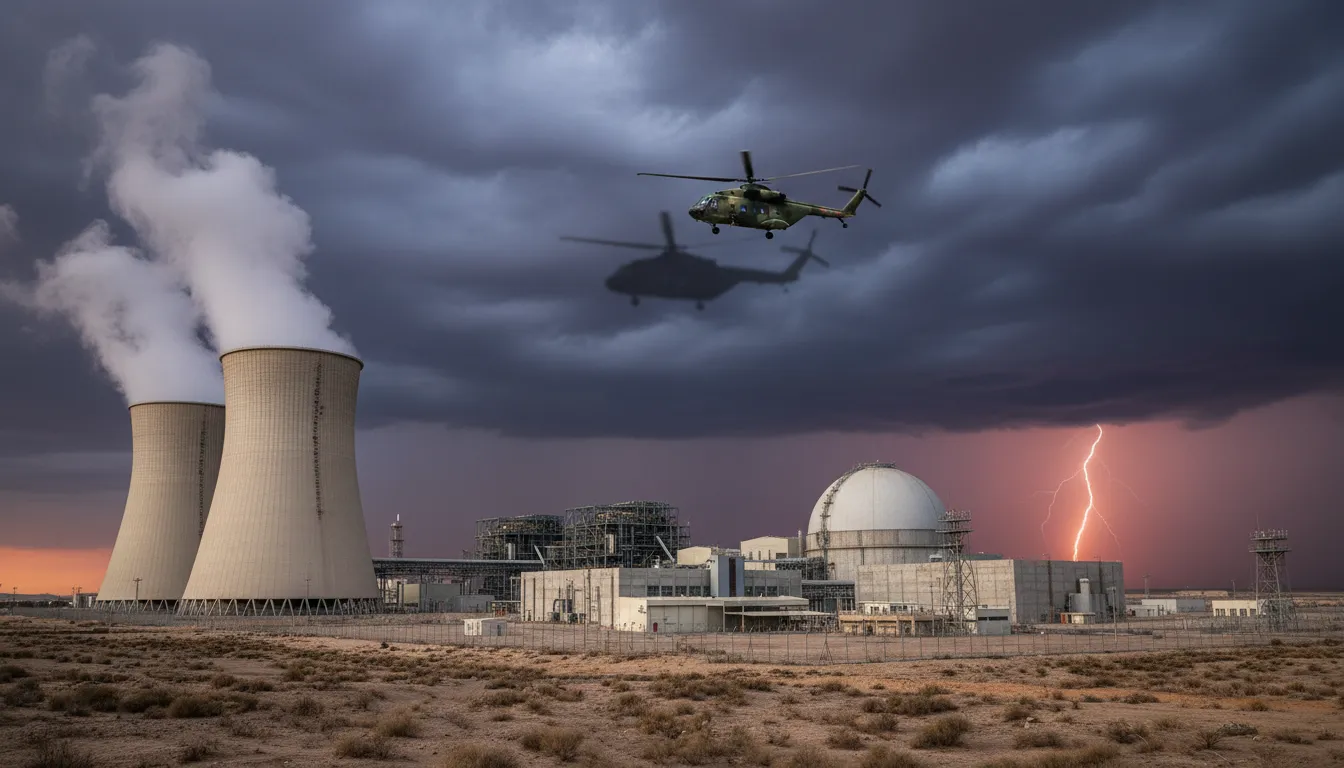
The United States and Iran are holding their second round of nuclear talks in Geneva on February 17, 2026, against a backdrop of rising military tensions and divergent red lines. The talks, hosted at the Omani mission, bring together delegations led by Iranian Foreign Minister Abbas Araghchi and US Special Envoy Steve Witkoff.
Iran's opening position
Araghchi arrived in Geneva on Monday declaring he carried "real ideas to achieve a fair and equitable deal," while making clear what is not negotiable. "What is not on the table: submission before threats," he posted on social media. Iran has repeatedly emphasized that it will not agree to Washington's demand for zero nuclear enrichment and considers its missile program a "red line."
However, Iranian officials have signaled flexibility in other areas. Tehran has indicated willingness to reduce its level of enriched uranium and open nuclear facilities to full transparency with international inspectors. Iran's deputy foreign minister said the ball is "in America's court to prove that they want to do a deal."
US military pressure
The diplomatic effort is backed by a significant military display. The US has dispatched a second aircraft carrier to the Middle East, signaling readiness for a sustained military campaign if talks fail. Simultaneously, Iran's Islamic Revolutionary Guard Corps held large-scale naval drills in the Strait of Hormuz — the narrow waterway through which roughly 20 percent of global oil passes.
President Trump stated he would be involved "indirectly" in the negotiations, maintaining the administration's stance that Iran can have no uranium enrichment under any deal.
Israeli demands complicate matters
Israeli Prime Minister Netanyahu added complexity by publicly demanding that any US deal with Iran must include the complete dismantling of Iran's nuclear infrastructure — going beyond even the American position on enrichment. This demand comes as Israel and Iran remain locked in regional tensions following their 12-day conflict last June.
Broader implications
Beyond nuclear issues, Iran has put potential energy, mining, and aircraft deals on the table, suggesting a broader normalization framework could emerge. Prior to the main talks, Araghchi met with IAEA chief Rafael Grossi for what he described as a "deep technical discussion" on inspection protocols. The outcome of these negotiations could reshape oil markets, Middle East security, and the global non-proliferation order.
Sources: Al Jazeera, NPR, CNBC