Sudan Ferry Disasters Expose Transport Crisis
At least 21 people drowned when a passenger ferry capsized on the Nile River in Sudan, followed by a second sinking days later. The tragedies highlight the collapse of basic infrastructure amid Sudan's civil war.
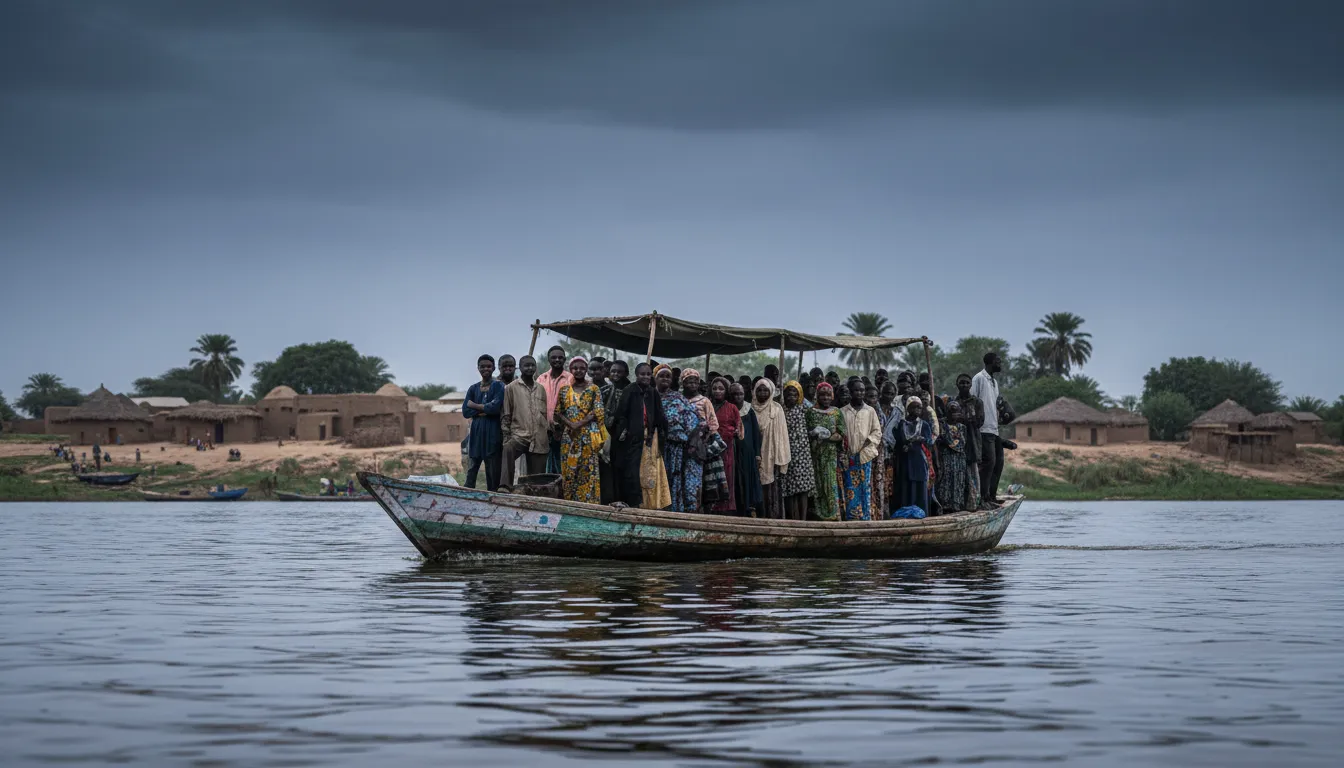
Two deadly ferry sinkings on Sudan's Nile River within a single week have exposed the catastrophic state of the country's transport infrastructure, as an ongoing civil war continues to destroy basic services and claim civilian lives far from the front lines.
First disaster: 21 dead in River Nile State
At least 21 people drowned on February 12 when a wooden passenger ferry capsized on the Nile in the Shendi district of River Nile State, northern Sudan. The vessel was carrying approximately 27 passengers, including women, elderly people, and children, traveling between the villages of Tayba al-Khawad and Deim al-Qarai when it was struck by high waves.
Six survivors were rescued, while six passengers remained missing as of the latest reports. The Sudan Doctors Network condemned the incident as a "painful humanitarian tragedy," highlighting the "fragility of river transport means and the absence of basic safety requirements."
Second sinking follows days later
In a grim repetition, another ferry sank in White Nile State just days after the first disaster, with at least 12 people reported missing. The second incident underscored that the first was not an isolated event but symptomatic of systemic failures in Sudan's river transportation network.
Root causes: war and neglect
Sudan has been engulfed in a brutal civil conflict since April 2023 between the Sudanese Armed Forces and the paramilitary Rapid Support Forces. The war has devastated large parts of the country, displacing millions of people and crippling basic services including transportation, healthcare, and emergency response.
Many boats operating on the Nile are privately owned wooden vessels lacking basic safety equipment such as life jackets or emergency communication systems. Authorities lack proper regulatory systems, and the ongoing conflict has diverted resources away from civilian infrastructure maintenance and safety enforcement.
Slow emergency response
The Sudan Doctors Network specifically criticized the slow emergency response, noting that the absence of local authorities and rescue teams in the early hours made the disaster significantly worse. In many areas of Sudan, organized rescue services have effectively ceased to function due to the conflict.
The ferry disasters add to Sudan's mounting humanitarian toll, which includes widespread famine, disease outbreaks, and what the United Nations has described as one of the world's worst displacement crises.
Sources: Al Jazeera, Washington Post, TRT World