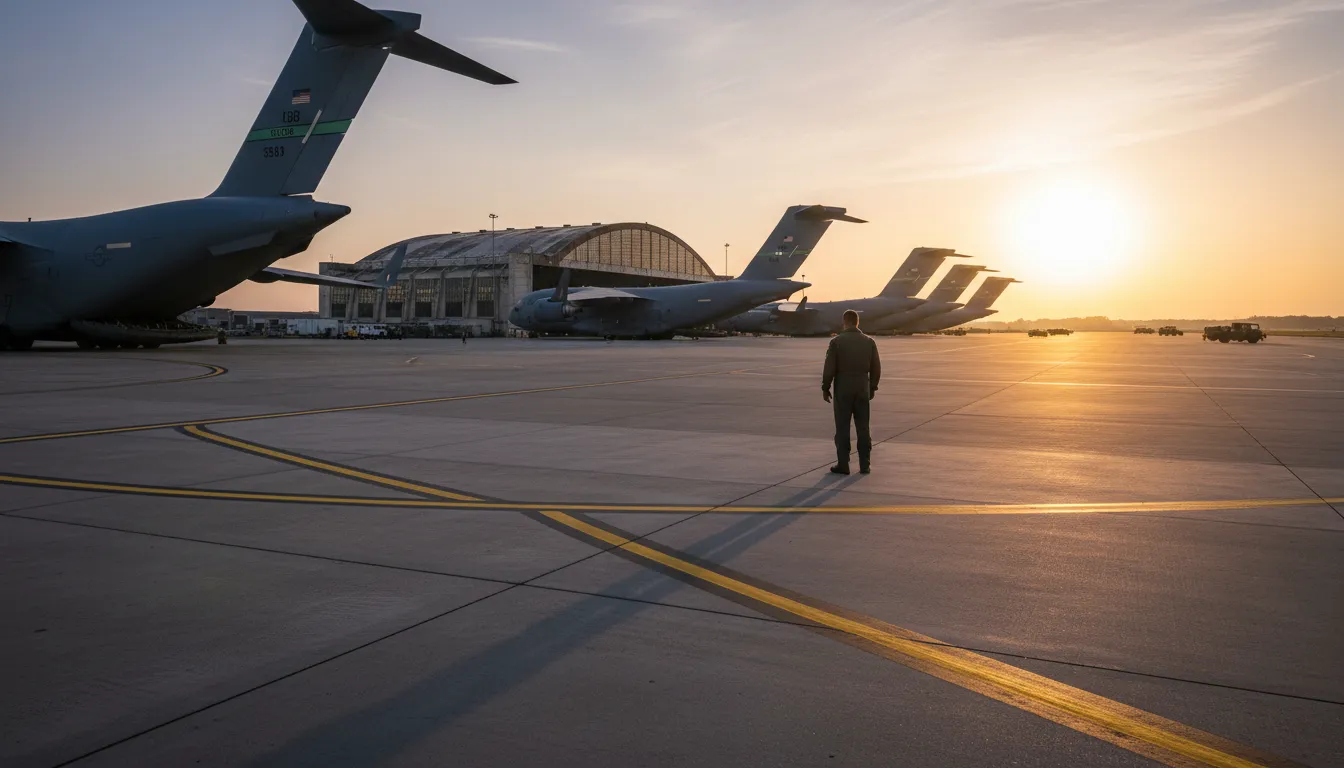
New START Expires: Nuclear Arms Enter Uncharted Era
The New START treaty expired on February 5, 2026, eliminating all legally binding limits on US and Russian nuclear arsenals for the first time in over 50 years. Experts warn of increased risk of miscalculation and a qualitative arms race.
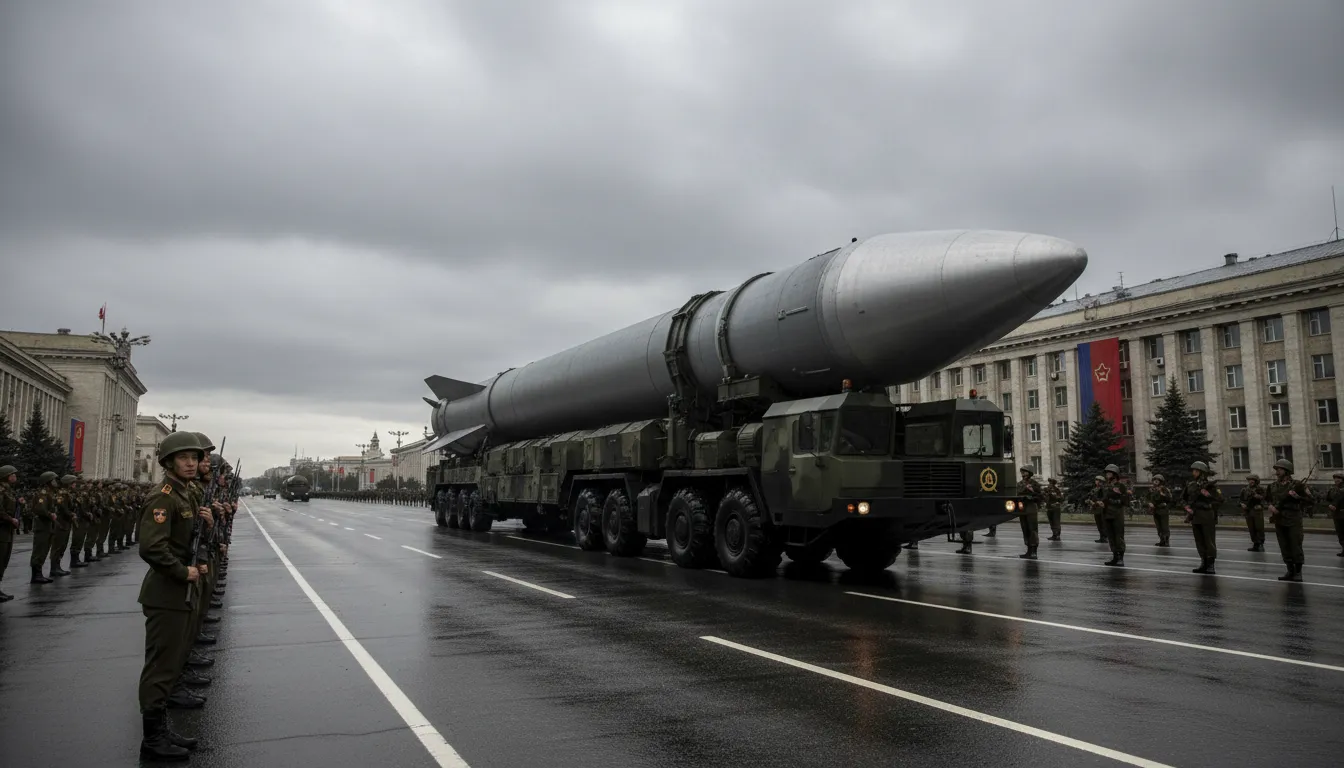
The world has entered uncharted territory in nuclear arms control. On February 5, 2026, the New START treaty — the last legally binding agreement limiting the strategic nuclear arsenals of the United States and Russia — expired without a replacement. For the first time in more than half a century, there are no binding constraints on the nuclear weapons of the two countries that together hold approximately 90 percent of the world's nuclear warheads.
What was lost
Signed in 2010, New START limited both nations to 1,550 deployed strategic nuclear warheads on 700 delivery systems, including intercontinental ballistic missiles, submarine-launched missiles, and heavy bombers. Beyond numerical caps, the treaty provided a verification and inspection regime that gave both sides transparency into the other's nuclear posture, significantly reducing the risk of miscalculation.
Under the treaty's terms, it could only be extended once — which was done in 2021 for five years. No further extensions were legally possible, making its February 2026 expiration inevitable without a new agreement.
Consequences and risks
According to the Council on Foreign Relations, the most likely near-term consequence is not a massive numerical buildup but rather a qualitative arms race, with greater emphasis on hypersonic delivery systems, missile defenses, counterspace capabilities, and AI-enabled command and control. The loss of verification mechanisms means both sides will increasingly rely on national intelligence to assess the other's capabilities — a less reliable and more prone-to-error approach.
The International Campaign to Abolish Nuclear Weapons (ICAN) warns that allies may lose confidence in extended deterrence guarantees, increasing pressure for independent nuclear capabilities. This could trigger broader proliferation concerns beyond the US-Russia dynamic.
Diplomatic efforts stall
Russia proposed in September 2025 that both countries voluntarily observe the treaty's limits for one year past expiration, until February 2027. The United States did not formally accept or reject the proposal. Russia subsequently said it would honor the limits as long as the US reciprocated, though without legally binding mechanisms to verify compliance.
Global implications
UN Secretary-General Antonio Guterres warned of a "grave moment" for international security, calling on both nations to immediately pursue new arms control negotiations. With the Geneva peace talks on Ukraine coinciding with this nuclear vacuum, experts stress that the interconnection between conventional and nuclear security has never been more pronounced.
Sources: UN News, Council on Foreign Relations, NPR