What Are Sleeper Sharks and How Do They Live 500 Years?
Sleeper sharks are slow-moving deep-sea predators that rank among the longest-lived vertebrates on Earth. Their unique biochemistry, ultra-slow metabolism, and cold-water adaptations let some individuals survive for centuries.
The Ocean's Oldest Residents
Deep beneath the world's coldest oceans, a family of sharks moves so slowly they earned the name "sleepers." Sleeper sharks (family Somniosidae) are large, elusive predators found in Arctic, sub-Arctic, and deep temperate waters. The most famous member, the Greenland shark (Somniosus microcephalus), holds the title of the longest-lived vertebrate ever documented — with some individuals estimated to be nearly 500 years old.
Despite their remarkable biology, sleeper sharks remain among the least studied large predators on the planet. Their extreme habitat — frigid, lightless water hundreds of metres deep — makes direct observation extraordinarily difficult.
How Scientists Proved Their Extreme Age
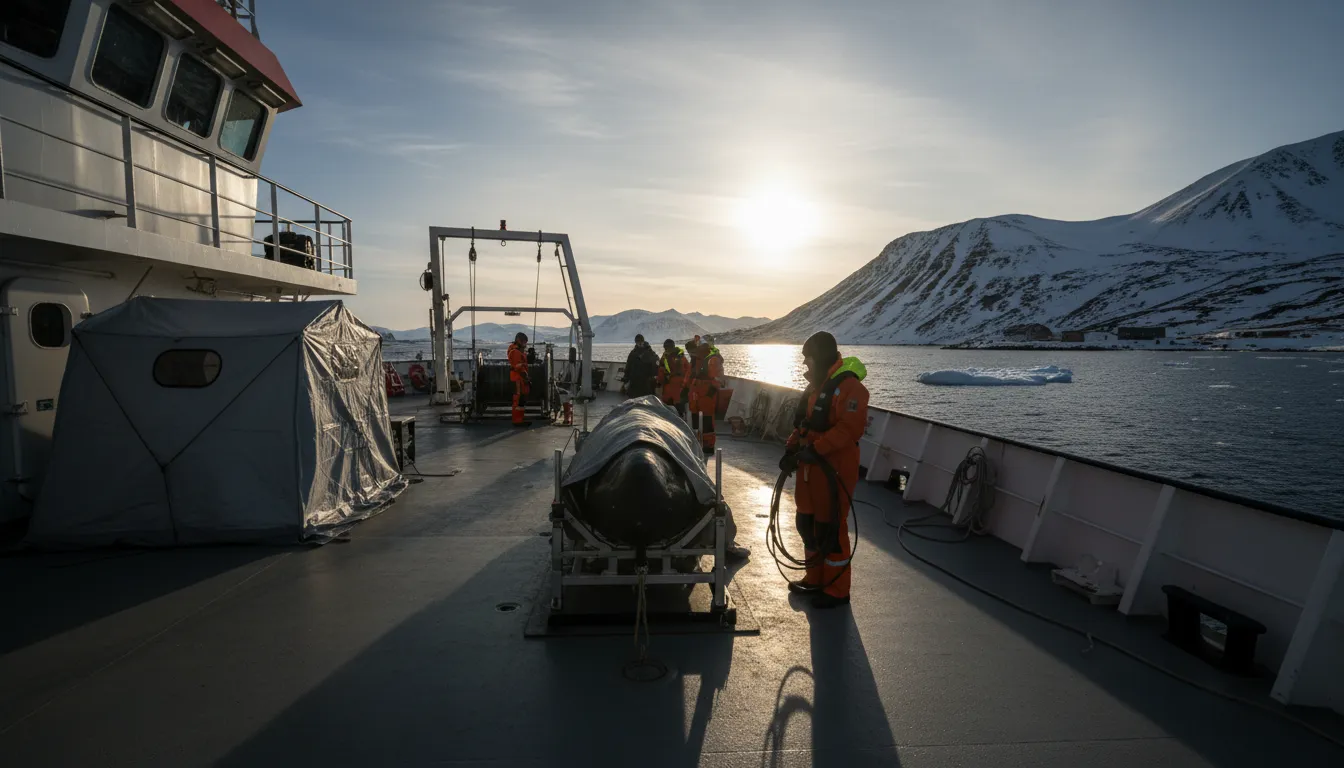
For decades, researchers suspected Greenland sharks were ancient, but proof was elusive because these sharks lack the calcified tissues other fish use for age determination. A breakthrough came in a landmark 2016 study published in Science, led by marine biologist Julius Nielsen. His team used radiocarbon dating of eye lens proteins — crystalline tissue formed before birth that never turns over — to estimate the ages of 28 female Greenland sharks.
The largest specimen, measuring just over five metres, was estimated to be 392 ± 120 years old, placing its possible birth anywhere between the 1500s and 1700s. Younger sharks showed traces of the "bomb pulse," a spike in atmospheric carbon-14 from 1950s nuclear tests, which helped calibrate the results. The study also found that Greenland sharks do not reach sexual maturity until roughly 150 years of age.
Biochemistry Built for the Cold
Sleeper sharks thrive in water as cold as −1°C thanks to a suite of molecular adaptations that most marine animals lack.
- TMAO overload: All sharks carry trimethylamine N-oxide (TMAO) in their tissues, but sleeper sharks have far higher concentrations. TMAO stabilises proteins against the destructive effects of both cold temperatures and crushing deep-sea pressure, and counteracts the protein-destabilising tendency of urea.
- Specialised liver oils: Where most sharks rely on squalene for buoyancy, squalene would solidify in near-freezing water. Sleeper sharks instead produce diacylglyceryl ethers and triacylglycerol, low-density compounds that remain fluid at extreme cold.
- Ultra-slow metabolism: Greenland sharks swim at less than two miles per hour and grow less than one centimetre per year. This minimal energy expenditure is thought to be a key factor in their extraordinary longevity.
Genomic studies have also identified duplicated genes related to DNA repair, immune function, and oxidative stress protection — mechanisms that may reduce the physical toll of ageing over centuries.
Stealth Predators of the Deep
Despite their sluggish pace, sleeper sharks are effective hunters. They use ambush tactics and cryptic coloration to glide through deep water with minimal body movement, producing almost no hydrodynamic noise. Their diet is surprisingly varied: stomach contents have revealed remains of seals, fish, squid, and even polar bears and reindeer — likely scavenged from carcasses that sank to the seafloor.
Pacific sleeper sharks (Somniosus pacificus) perform diel vertical migrations, rising toward the surface at night to hunt and descending to depths exceeding 2,000 metres during the day. Their capacious stomachs allow them to store large meals — essential when food on the deep ocean floor is scarce.
Why They Matter Now
In early 2026, a sleeper shark was filmed for the first time in Antarctic waters, a region where scientists had long assumed sharks could not survive. The discovery, made by the Minderoo-UWA Deep-Sea Research Centre off the South Shetland Islands, suggests these animals occupy a far wider range than previously understood — and raises questions about how warming oceans may be reshaping deep-sea ecosystems.
Sleeper sharks also hold promise for biomedical research. Understanding how their cells resist oxidative damage and DNA degradation over centuries could offer insights into human ageing and age-related diseases. For now, though, these ancient giants remain largely mysterious — a reminder of how little we know about life in the planet's deepest, coldest waters.