Babiš Deploys Airbuses to Rescue Czechs Stranded in the Middle East
The Czech government has launched a large-scale repatriation operation for over 6,000 Czechs stranded in areas affected by the armed conflict. The Security Council also addressed the impact of the closure of the Strait of Hormuz on Czech energy security.
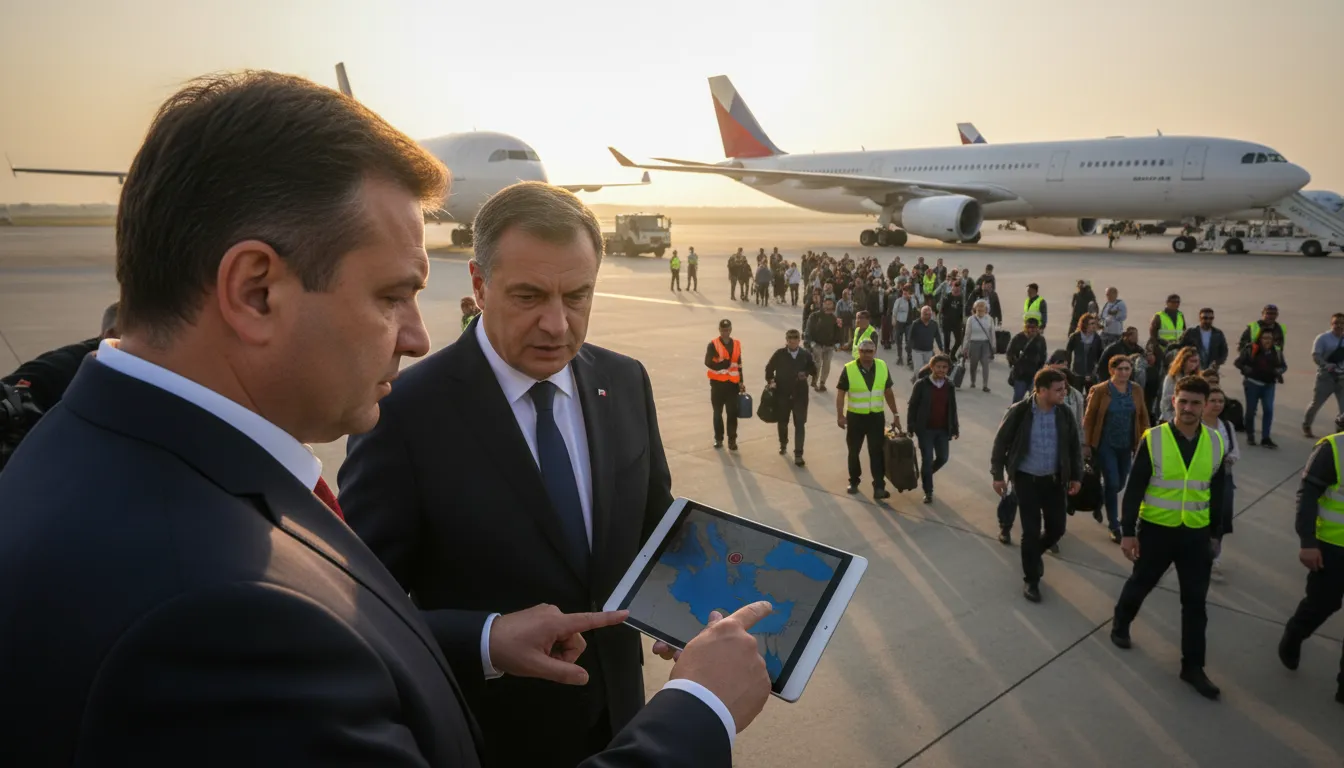
Military Airbuses Head to Egypt and Jordan
Prime Minister Andrej Babiš announced on Monday, March 2nd, shortly after an extraordinary meeting of the State Security Council, the deployment of two military Airbus aircraft to Sharm el-Sheikh in Egypt and Amman in Jordan. The aim is to repatriate Czech tourists and workers who have been stranded in the region following weekend attacks by the US and Israel on Iran and the subsequent Iranian retaliation with missiles and drones.
Both aircraft departed from Prague in the morning. A smaller Airbus with a capacity of approximately forty seats headed to Amman, while the larger aircraft went to Sharm el-Sheikh in Egypt. In Egypt, the plane was also scheduled to pick up approximately 79 Czechs who had traveled by bus from Israel across the border.
Smartwings and Commercial Flights for Tourists in Oman
Concurrently, the Czech charter company Smartwings dispatched the first wave of flights to Muscat and Salalah in Oman. Prime Minister Babiš stated that the airline is prepared to operate up to eight flights per day depending on the current need. In total, approximately four commercial aircraft were heading to Oman — Smartwings had approximately 3,000 clients in the area. The government is also considering deploying CASA transport aircraft for transport from areas with limited aviation infrastructure.
Over 6,000 Czechs in the Affected Area
The Ministry of Foreign Affairs' voluntary registration system Drozd recorded approximately 6,400 to 6,700 Czechs in the affected region at the time of the crisis. The largest groups were concentrated in the United Arab Emirates (over 3,770 registered persons) and in Oman (1,324 persons). The Ministry of Foreign Affairs has called on all citizens abroad to register with the system, keep printed copies of their travel documents, and follow the instructions of local authorities.
Defense Minister Petr Macinka confirmed that the military aircraft, after landing in Prague, refueling, and changing crews, will immediately fly back to pick up more evacuees.
Security Council: Repatriation and Energy Security
The State Security Council met in extraordinary session from seven o'clock in the morning. In addition to organizing repatriations, the council addressed the impact of the closure of the Strait of Hormuz on Czech energy security and the supply of petroleum products. The Iranian Revolutionary Guards declared the strait closed; under normal circumstances, approximately one-fifth of the world's oil production and a significant portion of liquefied natural gas supplies flow through it.
The blockade of the strait caused an immediate price shock on global markets: oil prices began to rise sharply, and European natural gas prices jumped by approximately 50% after Qatar announced the suspension of LNG supplies. Prime Minister Babiš announced the introduction of extraordinary security measures, leaving further details to the Minister of the Interior.
Cooperation with Slovakia and First Landing in Prague
In the spirit of regional solidarity, the Czech Republic offered spare capacity on its evacuation flights to Slovak citizens. The Slovak government itself dispatched approximately ten rescue flights and transported over one hundred people from Jordan, including three Czech citizens.
Shortly before 9:00 PM on Monday evening, the first military repatriation special — a smaller Airbus with passengers from Jordan — landed at Václav Havel Airport Prague. Larger aircraft with evacuees from Egypt and Oman landed during the night. The Ministry of Foreign Affairs has promised continuous updates on the situation and appeals to the remaining Czech citizens in endangered areas to prepare for a possible departure and follow the instructions of the local authorities.