Cuba Plunged into Darkness: Third Power Grid Collapse in March
Cuba's power grid collapsed for the third time in March 2026, leaving over 10 million people without electricity amid a U.S. oil blockade that has cut off fuel supplies for three months.
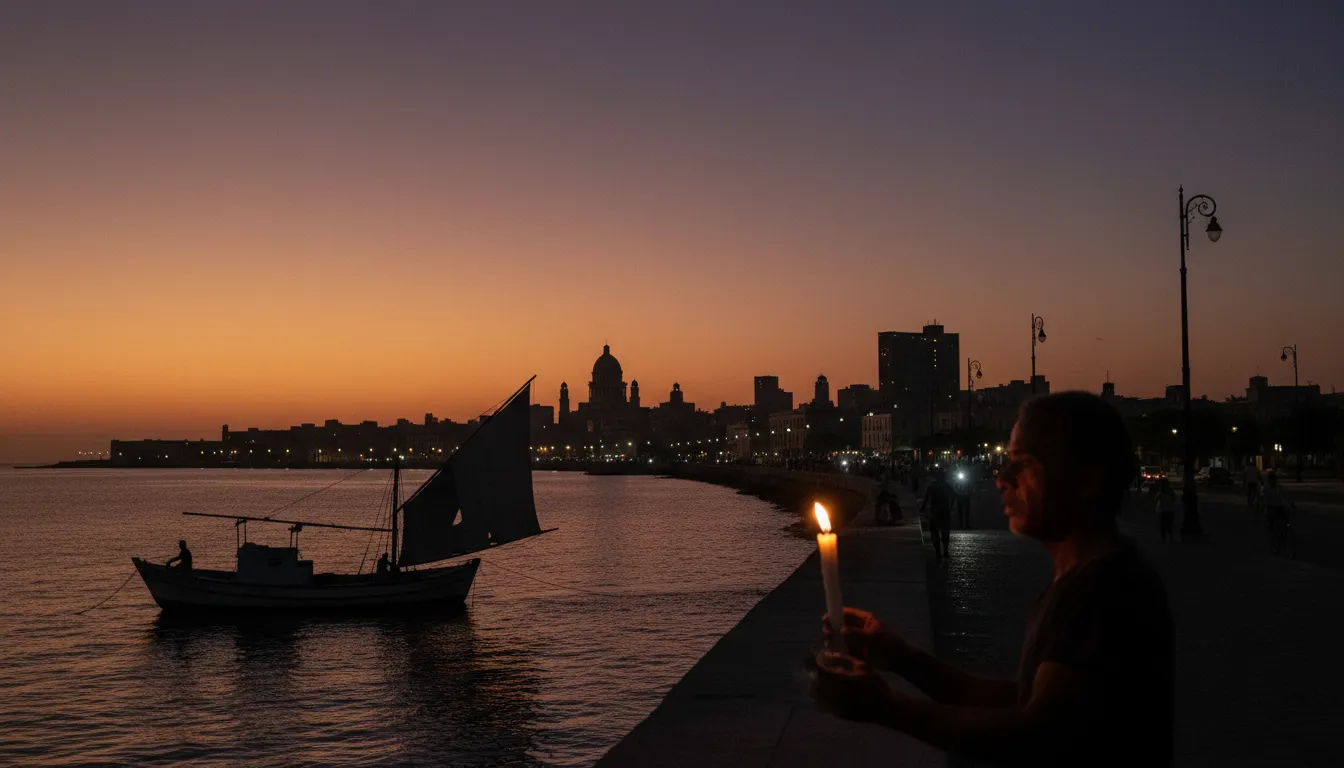
A Country Paralyzed in Darkness
Cuba's power grid suffered a total collapse on Saturday, March 22, 2026, plunging the island's approximately 10 million residents into darkness for the third time in a single month. The Cuban Electric Union attributed the outage to an unexpected shutdown of a generation unit at the Nuevitas thermoelectric plant in Camagüey province, which triggered cascading failures in other units.
Previous blackouts occurred on March 16 and 18, with restoration processes lasting for days. According to NPR, by early Sunday morning, only 72,000 customers in Havana—including five hospitals—had regained service, a tiny fraction of the capital's two million residents.
Three Months Without Oil
The crisis has deep roots. Cuba has not received supplies of diesel, fuel oil, gasoline, aviation fuel, or liquefied petroleum gas since the beginning of January, according to Cuban authorities. The island produces only 40% of the fuel it needs for its economy, making external supply a vital resource.
The shortage worsened after two simultaneous blows: in January, the Trump administration threatened to impose tariffs on any country that sells or supplies oil to Cuba, deterring potential suppliers such as Mexico. Simultaneously, the departure of Nicolás Maduro from power in Venezuela disrupted crude oil shipments from Havana's main energy ally, as reported by NBC News.
Devastating Humanitarian Consequences
The effects on the civilian population are severe. In Havana, residents face outages of up to 15 hours a day; in the interior of the island, the situation is even worse. The streets are completely dark, and citizens rely on the light from their phones to get around.
"I wonder if we're going to be like this for life. You can't live like this," a 36-year-old taxi driver told Al Jazeera.
Residents report appliances damaged by voltage fluctuations, problems accessing water—which depends on electric pumps—and reduced working hours. Airlines have suspended or reduced flights due to a lack of aviation fuel, also hitting the tourism sector.
Growing Geopolitical Tension
President Trump suggested the possibility of a "friendly takeover of Cuba," while his administration demands the release of political prisoners and progress towards political and economic liberalization as a condition for lifting sanctions. For their part, Cuban authorities directly blame the U.S. energy blockade and have declared themselves prepared for any eventuality.
The Cuban crisis exposes the humanitarian consequences of dependence on a single energy supplier combined with economic sanctions. As the island's electrical infrastructure—aging and overloaded—continues to deteriorate, millions of Cubans face a reality where electricity has become an increasingly scarce luxury.


