EU Excludes Hungary from Confidential Consultations
The European Union has restricted Hungary's access to confidential materials after a Washington Post investigation alleged that Péter Szijjártó regularly informed Sergey Lavrov about the content of EU council meetings.

Live Broadcast to Moscow
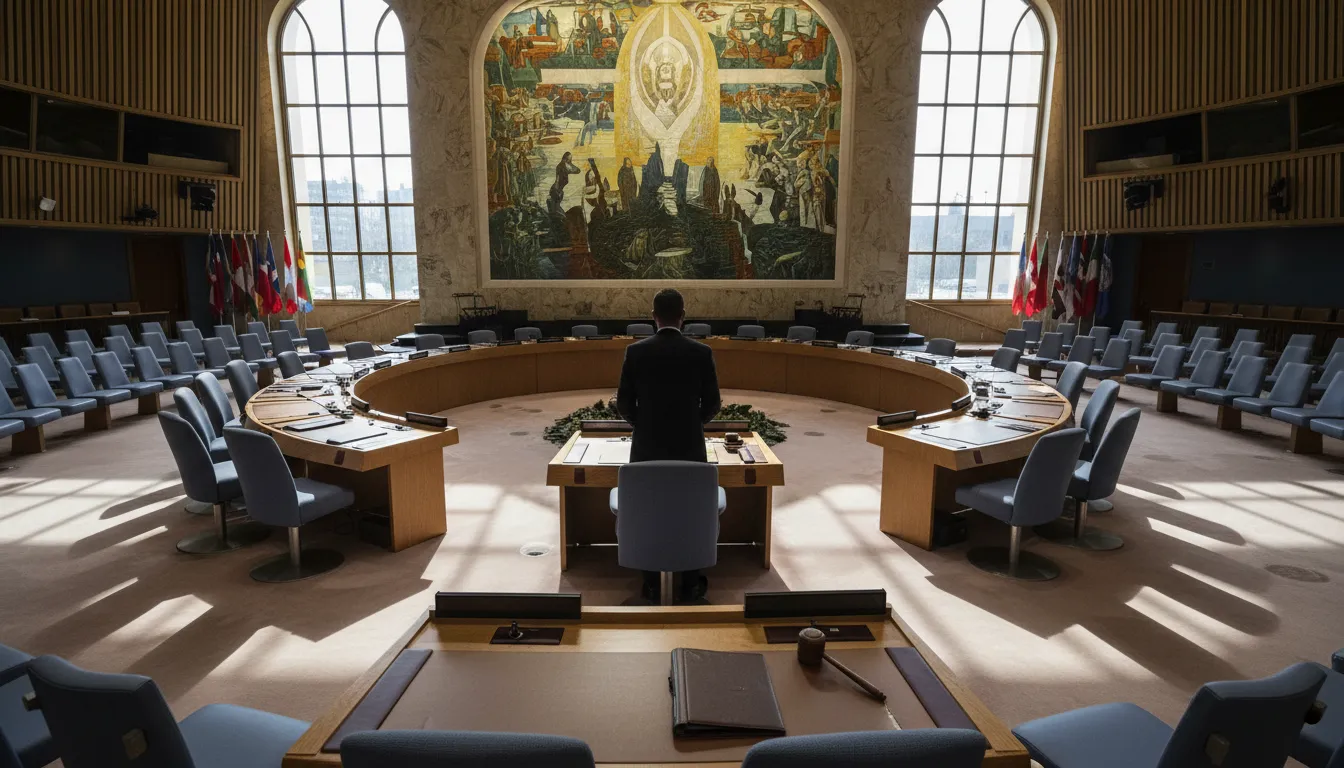
According to a Washington Post investigative report published on Saturday, Minister of Foreign Affairs and Trade Péter Szijjártó has for years regularly called his Russian counterpart, Sergey Lavrov, during breaks in EU council meetings and provided "direct accounts" of the discussions. According to a security source quoted by the American newspaper, "essentially, Moscow has been sitting behind every EU meeting for years."
Politico, citing statements from several diplomats, reported that EU decision-makers have already restricted the flow of confidential materials to Hungary, and that member state leaders are increasingly holding smaller, so-called "breakout format" meetings excluding Budapest. Former Lithuanian Foreign Minister Gabrielius Landsbergis said he had been warned as early as 2024 that the Hungarian side might be passing information to Russia.
Brussels Expects Explanation
The European Commission on Monday called on Hungary to clarify the "disturbing" reports. Germany called the allegations "very serious," emphasizing that the content of EU council meetings is confidential and that any violations would not be tolerated. Polish Foreign Minister Radosław Sikorski wrote pointedly to Szijjártó on social media: "That would explain a lot, Péter."
The matter has erupted at a particularly sensitive time: just three weeks before the Hungarian parliamentary elections on April 12. The EU officially does not want to take a position so as not to influence the vote – however, the leaked information speaks for itself.
Government Counter-Offensive
Péter Szijjártó has dismissed the accusations as "fake news" and "senseless conspiracy theories." János Bóka, Hungary's Minister for EU Affairs, also denied the allegations. Prime Minister Viktor Orbán, however, focused not on the alleged information leaks but on the wiretapping: he has ordered an investigation by the Minister of Justice into the alleged surveillance of Szijjártó's phone, which he attributed to a Ukrainian intelligence operation.
According to the government's narrative, a Hungarian investigative journalist, Szabolcs Panyi, gave the foreign minister's phone number to foreign intelligence agencies. Panyi denied this in a statement to Telex, pointing out that Szijjártó was able to be monitored by Western services because he conferred with Lavrov on an open line – which in itself is a serious security lapse.
Péter Magyar: Treason
On the opposition side, Péter Magyar, the chairman of the Tisza Party, used the most serious qualification: he believes that if it is proven that Szijjártó actually colluded with the Russians, it would constitute treason, which could carry a life sentence. The scandal is thus generating not only a diplomatic but also a domestic political crisis, and could fundamentally shape the final weeks of the election campaign.
Unprecedented Isolation
Hungary's EU isolation is not new – Budapest has repeatedly blocked joint decisions in the past, including a €90 billion aid package for Ukraine – but the current situation is qualitatively different. If the allegations are proven, Szijjártó's activity is not merely political obstruction, but active cooperation by a member state with a hostile power. The patience of the EU member states appears to be running out, and the permanent establishment of the "small table" negotiation format could lead to Hungary's lasting marginalization within the EU.