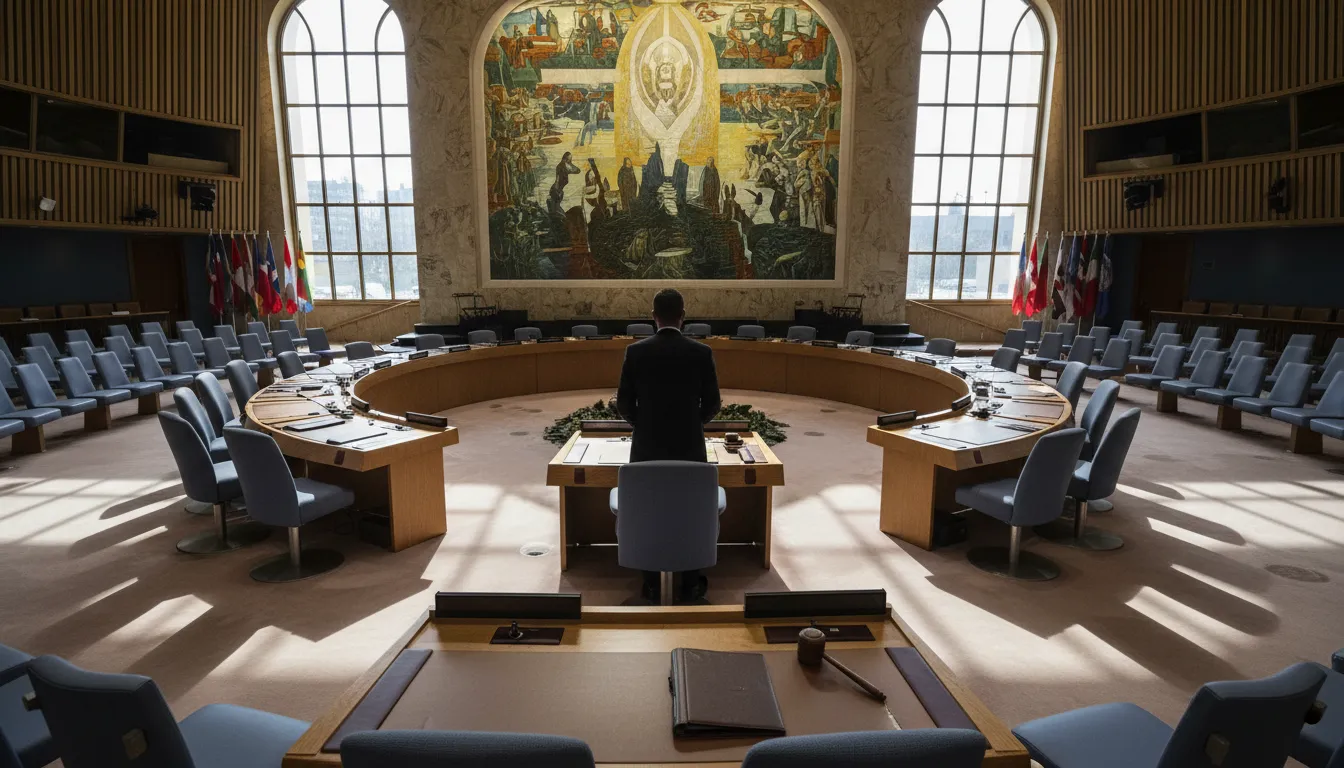
Dubai Airport Dark as Iran War Halts Global Flights
Iran's retaliatory strikes on Gulf states have closed Dubai, Doha, and Abu Dhabi airports indefinitely, delaying over 19,000 flights worldwide and stranding hundreds of thousands of travelers in the largest aviation crisis since COVID-19.
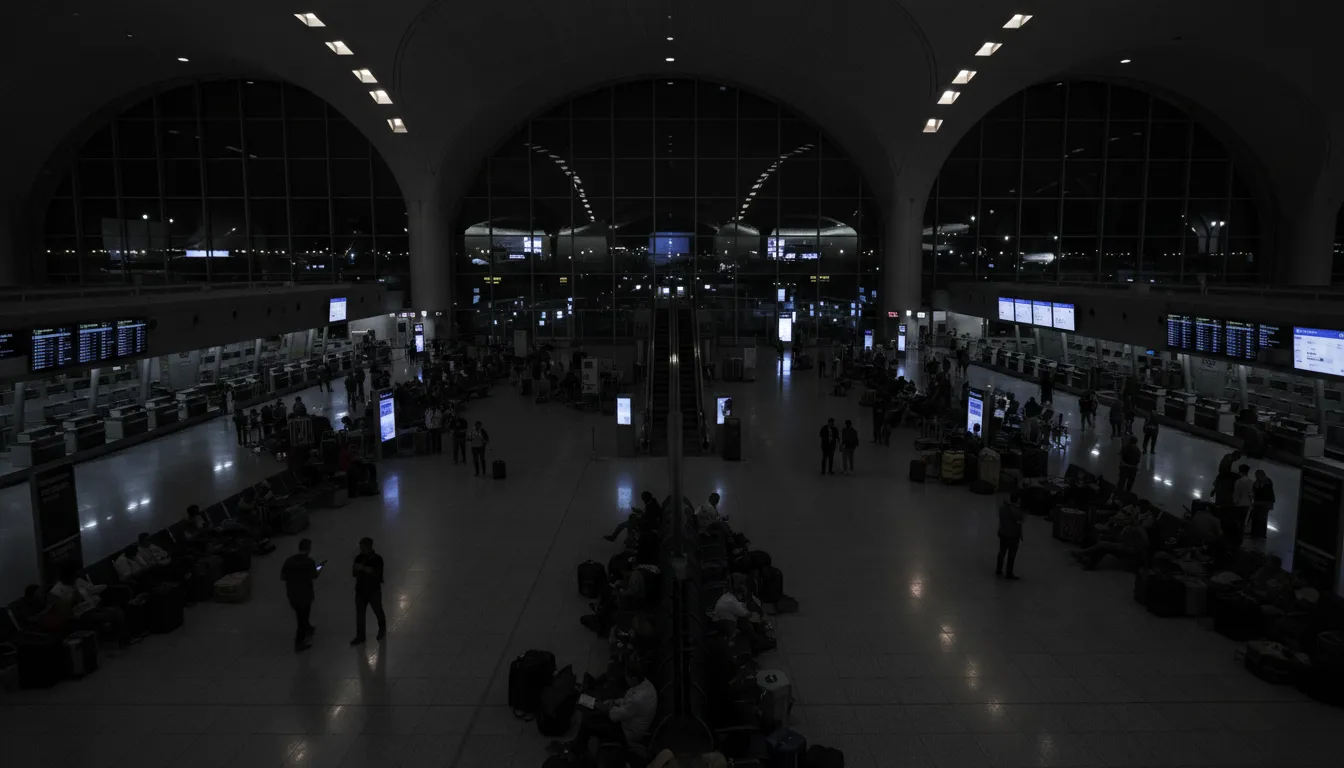
A Global Hub Goes Dark
Dubai International Airport — the world's busiest for international passengers — fell silent over the weekend as Iran launched successive waves of missiles and drones at Gulf states hosting US military bases. By Sunday, the airport remained shut with no timeline for reopening. Doha's Hamad International and Abu Dhabi's Zayed International followed, severing the arteries that connect Europe to Asia, Africa, and Australasia.
Staggering Scale of Disruption
More than 19,000 flights were delayed globally, according to flight-tracking service FlightAware, with over 3,400 flights cancelled across seven Middle Eastern airports on Sunday alone. Aviation analytics firm Cirium reported that 22.9% of all scheduled regional flights on Saturday — 966 of 4,218 — were cancelled outright. The figures rival the worst days of the COVID-19 pandemic.
The three Gulf mega-carriers at the heart of the crisis — Emirates, Etihad, and Qatar Airways — together handle roughly 90,000 passengers per day through their hubs, according to Cirium. All suspended operations. Cancellation rates were stark: Emirates grounded 38% of its flights, Etihad 30%, and Qatar Airways 41%. European carriers quickly followed: Lufthansa Group halted flights to Tel Aviv, Beirut, Amman, and Tehran until March 7. British Airways, Air France, KLM, Delta, United, American Airlines, Air India, and Turkish Airlines all suspended Middle Eastern routes.
Stranded Across the Globe
The consequences rippled well beyond the region. At least 145 aircraft en route to Dubai and Tel Aviv were diverted without warning to Athens, Istanbul, and Rome. In Bali, Indonesia, over 1,600 tourists were stranded after connecting flights through Gulf hubs were cancelled. Thousands more were left in limbo at airports from London to Mumbai.
"No one really knows what's going on with the conflict. Not Emirates — Emirates don't have a clue." — Jonathan Escott, a stranded passenger, speaking to Euronews
Under extraordinary-circumstances rules, passengers are not entitled to financial compensation, though airlines remain obligated to provide meal vouchers, hotel accommodation, and full refunds for cancelled flights.
Why the Gulf Hubs Matter So Much
The crisis exposes a structural vulnerability built into modern global aviation: the outsized dependence on Dubai, Doha, and Abu Dhabi to route east-west traffic. These hubs grew into essential connectors through their geographic position and the massive capacity built by state-backed carriers over two decades. Losing all three simultaneously leaves airlines scrambling for alternatives via Istanbul, Cairo, and Nairobi — but those routes carry limited spare capacity and cannot absorb the overflow.
No Quick Recovery in Sight
Aviation experts warned that even after airspaces reopen, the backlog could take days to clear, as aircraft and crews are out of position across the globe. For context, a previous US-Israel attack on Iran in June 2025 lasted 12 days. With US and Israeli operations ongoing as of Sunday, and Iran vowing further retaliation, airline authorities said they would reassess airspace safety on an hourly basis — leaving millions of travel plans in indefinite suspension.