Duslo Šaľa Halts Ammonia Production as Gas Prices Soar
Duslo Šaľa, Slovakia's largest producer of nitrogen fertilizers, has curtailed ammonia production to a technical minimum following a sharp rise in natural gas prices triggered by the Middle East conflict and a production halt by QatarEnergy. The situation threatens both the Slovak chemical and agricultural sectors.
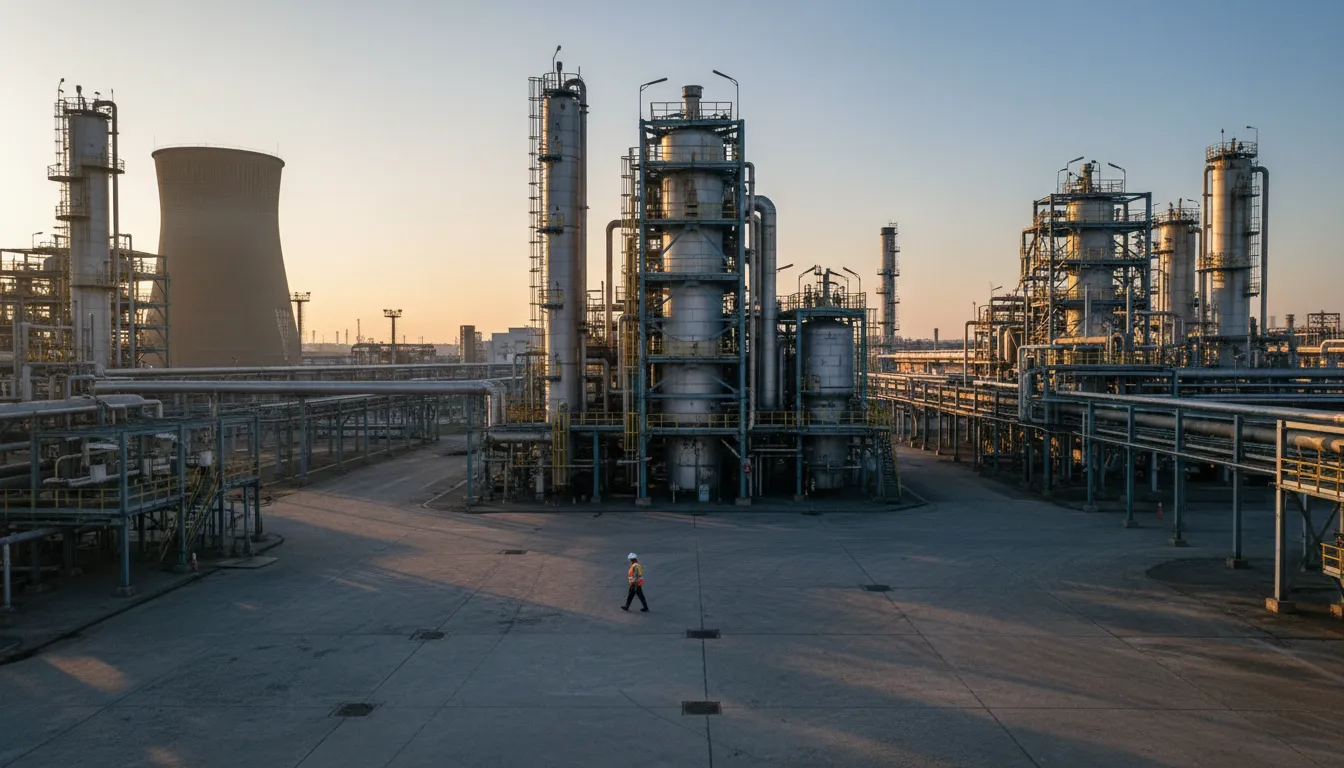
Gas Crisis Hits Heart of Slovak Chemical Industry
Duslo Šaľa, Slovakia's largest producer of nitrogen fertilizers, has reduced ammonia production to a technical minimum due to a sharp rise in natural gas prices — a key raw material that accounts for 70 to 80 percent of fertilizer production costs. CEO Pavel Hanus described the situation as serious, stating that he sees no positive outlook without a decline in gas prices.
Strait of Hormuz Disrupts European Markets
The sharp price increase is driven by geopolitical turmoil in the Middle East. Following military strikes by the US and Israel on Iran, QatarEnergy halted liquefied natural gas (LNG) production after attacks on its facilities in Ras Laffan. The European benchmark TTF contract jumped by more than 45 percent — prices are hovering around 60 euros per megawatt-hour, compared to below 30 euros at the end of 2025.
Qatar covers 12 to 14 percent of European LNG imports. The threat of closure of the Strait of Hormuz, through which approximately 20 percent of global gas and oil shipments pass, is pushing prices even higher. Furthermore, Europe entered the crisis with below-average reserves — EU gas storage facilities are filled to only just under 30 percent of capacity, compared to 40 percent a year ago.
Šaľa Without Ammonia: A Cut into the Entire Value Chain
The Šaľa plant has a daily capacity of 1,600 tons of ammonia. Duslo employs approximately 2,000 people and is the largest consumer of natural gas in Slovakia — accounting for 11 percent of national consumption. Fertilizer production continues from existing ammonia stocks, but if prices remain high, the plant will be reliant on expensive external supplies.
A spokesperson for Agrofert, which owns Duslo, confirmed: "We have reduced ammonia production to a technological minimum, fertilizer production continues." Employment is not currently threatened — management is not planning any personnel changes. Natural gas serves a dual purpose at the plant: as energy and as a direct raw material for ammonia synthesis. When the input price exceeds the output price, the plant must reduce or halt production.
Agriculture Feels Pressure on 2027 Harvests
The Slovak Chamber of Agriculture warns that if the crisis persists, its consequences will be felt primarily in the harvests of 2027. Farmers in the Nitra region have pre-supplies for the spring, but autumn fertilizer supplies are uncertain. Analysts point to the risk of a repeat of the situation in 2022, when fertilizer prices doubled after the outbreak of the war in Ukraine. In addition to fertilizers, the prices of AdBlue and other natural gas-dependent chemicals are also rising, further burdening food production costs.
Duslo is Not Alone — Europe Faces Wave of Shutdowns
Curtailments in ammonia and fertilizer production have affected several European chemical plants. According to the ICIS analytical agency, gas prices could rise significantly further if disruption in the Strait of Hormuz persists. Industry and governments are under pressure to find alternative supplies — from the US, Norway, or new LNG projects — but there is no quick solution on the table.
For Slovakia, this is a serious economic signal: dependence on cheap gas is turning into a systemic vulnerability in times of geopolitical instability. Without stabilization of energy markets, the outlook for Duslo Šaľa — and the entire Slovak chemical sector — remains deeply uncertain.