End of Coal and Russian Gas: Czech Republic Faces Energy Transformation
Energy group Sev.en will close three coal-fired power plants by spring 2027, while President Pavel rejects a return to Russian gas. The Czech Republic faces simultaneously phasing out coal and dependence on natural gas from Russia, with the EU gradually banning its import from 2026.
Sev.en Shutting Down Three Power Plants: The End of Lignite Nears
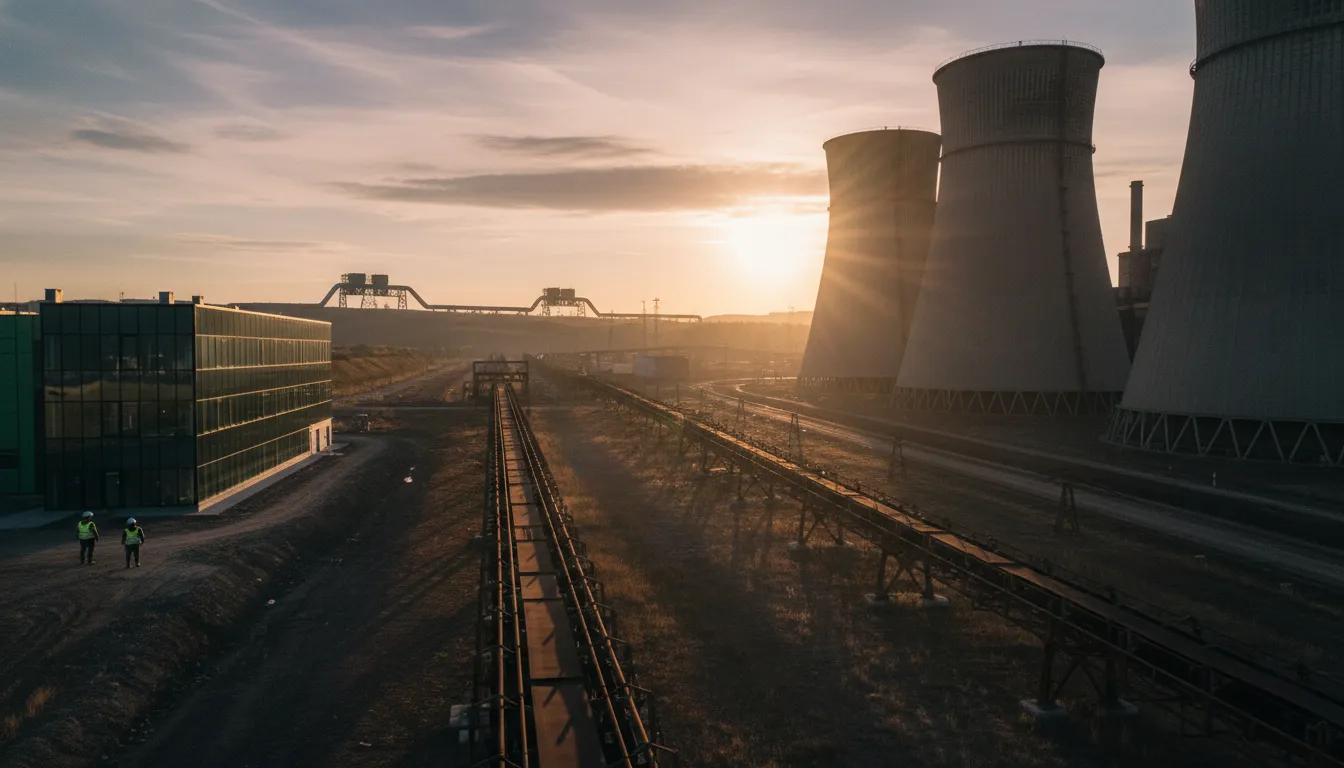
Energy group Sev.en, owned by billionaire Pavel Tykač, has announced the closure of the Chvaletice and Počerady coal-fired power plants, as well as the heating plant in Kladno — no later than March 2027. The reason is clear: deep economic losses. Sev.en Česká energie reported a net loss of 2.1 billion crowns last year; the loss was almost three times higher the year before. Rising prices of emission allowances, a drop in wholesale electricity prices, and the rise of renewable sources have literally suffocated lignite operations.
Currently, around 800 people work in the three plants, with approximately twice as many jobs dependent on these power plants in the supply chain. The closures will have significant regional impacts — especially in the Central Bohemian and Ústí nad Labem regions.
However, industry experts are reassuring: the shutdown of these sources should not immediately jeopardize the reliability of electricity supply. In recent years, the Czech Republic has significantly strengthened cross-border transmission capacities and is developing renewable energy sources. Nevertheless, analysts warn that in 2027, the Czech Republic will become a net importer of electricity — for the first time in modern history.
Pavel: No Return to Russian Gas
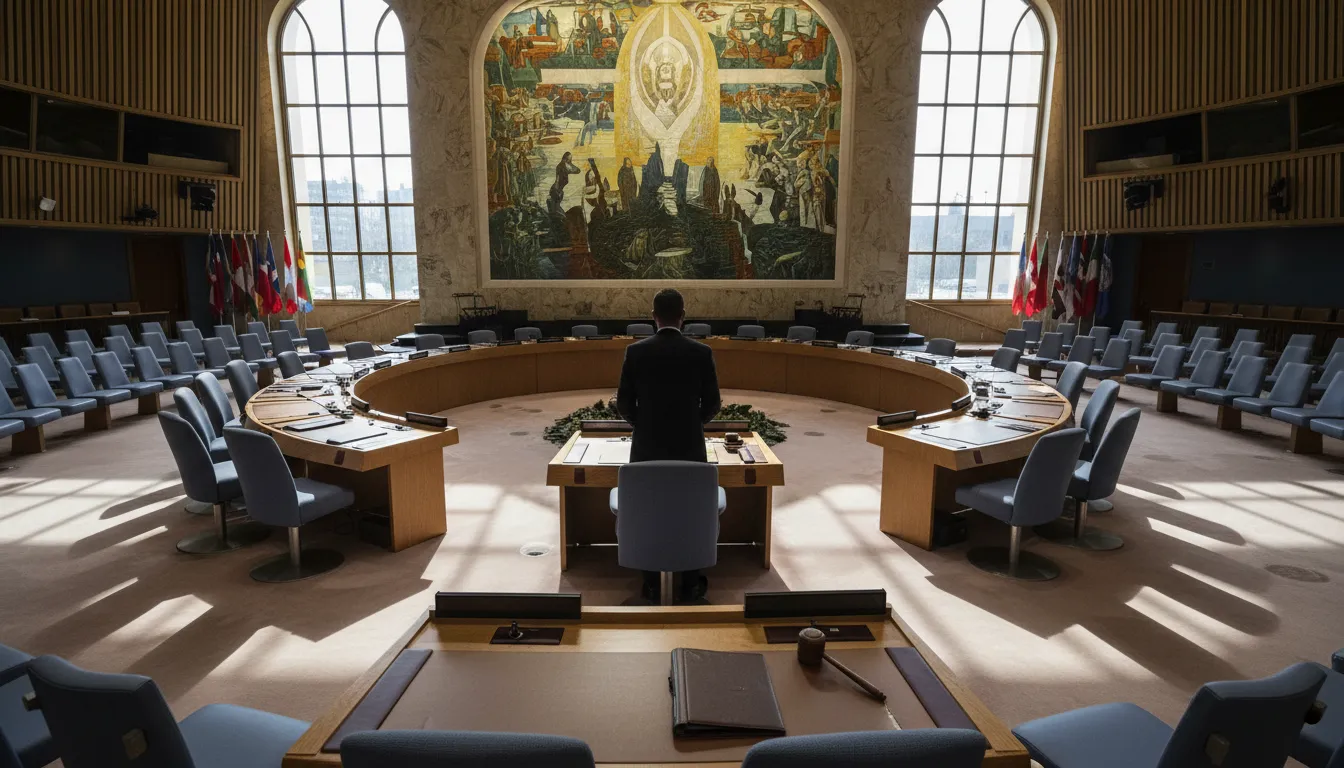
President Petr Pavel has repeatedly emphasized that the Czech Republic has no intention of returning to the purchase of Russian energy resources under any circumstances. This position fits into a broader European framework: In January 2026, the EU Council approved a regulation on the gradual ban on imports of Russian gas and LNG, which came into effect in March 2026.
Spot Russian LNG faces an immediate ban, while long-term pipeline gas contracts can remain valid until September 30, 2027. For the Czech Republic, which formally did not import Russian gas, this is more of a geopolitical signal than a direct trade restriction. However, the reality is more complex: in 2025, Russian gas still accounted for an estimated 13% of European imports, with some flowing to Central Europe through commercial intermediaries.
A Dual Challenge and the Question of Replacement
The Czech Republic is thus facing an unprecedented situation: simultaneously abandoning domestic coal and Russian natural gas as a backup source. The alternative is to be LNG from Norwegian fields, the Persian Gulf, or the USA. ČEZ and the Ministry of Industry have secured capacity at LNG terminals in Eemshaven in the Netherlands and Stade in Germany — but the latter will only be fully operational in the third quarter of 2027.
A safety cushion therefore exists, but the global LNG market is volatile. Any disruptions — whether Qatari supplies or tensions in Middle Eastern waters — are immediately reflected in wholesale gas prices across Europe.
Nuclear Energy as a Strategic Anchor
The government of Andrej Babiš presented nuclear energy as a key pillar for stabilizing the Czech energy mix. The contract for the construction of two new units at Dukovany with KHNP was signed in 2025 for 407 billion crowns. The new units are expected to be launched in 2036 and 2037 — but that is still a distant future.
In the meantime, the Czech Republic will have to manage a transition period in which it is moving away from fossil fuels faster than alternatives mature. Accelerating the construction of renewable sources, developing energy storage, and effectively managing cross-border transmission will be key to ensuring that the energy transition does not bring outages or price shocks for households and industry.