Fico and Orbán Demand Druzhba Pipeline Inspection, Kyiv Refuses
Slovakia and Hungary have formed a joint investigative commission for the Druzhba oil pipeline and are urging Kyiv to allow an inspection of the damage site. Zelenskyy is refusing access to inspectors but has invited Fico to Ukraine, though the question of access remains unresolved.
Investigative Commission Without Access to Site
Slovak Prime Minister Robert Fico and Hungarian Prime Minister Viktor Orbán have agreed to form a joint investigative commission to examine the damage to the Druzhba oil pipeline on Ukrainian soil. The joint statement came after a phone call on Friday in which both leaders described Kyiv's stance as unacceptable. Orbán stated that Zelenskyy is "lying" and accused Kyiv of refusing any on-site verification. Fico suggested that the European Commission should also be part of the commission as an independent arbiter of the dispute.
Slovakia and Hungary are the only European Union countries that still import Russian oil, mainly through the Druzhba pipeline. The disruption of supplies has therefore directly affected their refining industry.
Month Without Oil: Dispute Over Causes of Interruption
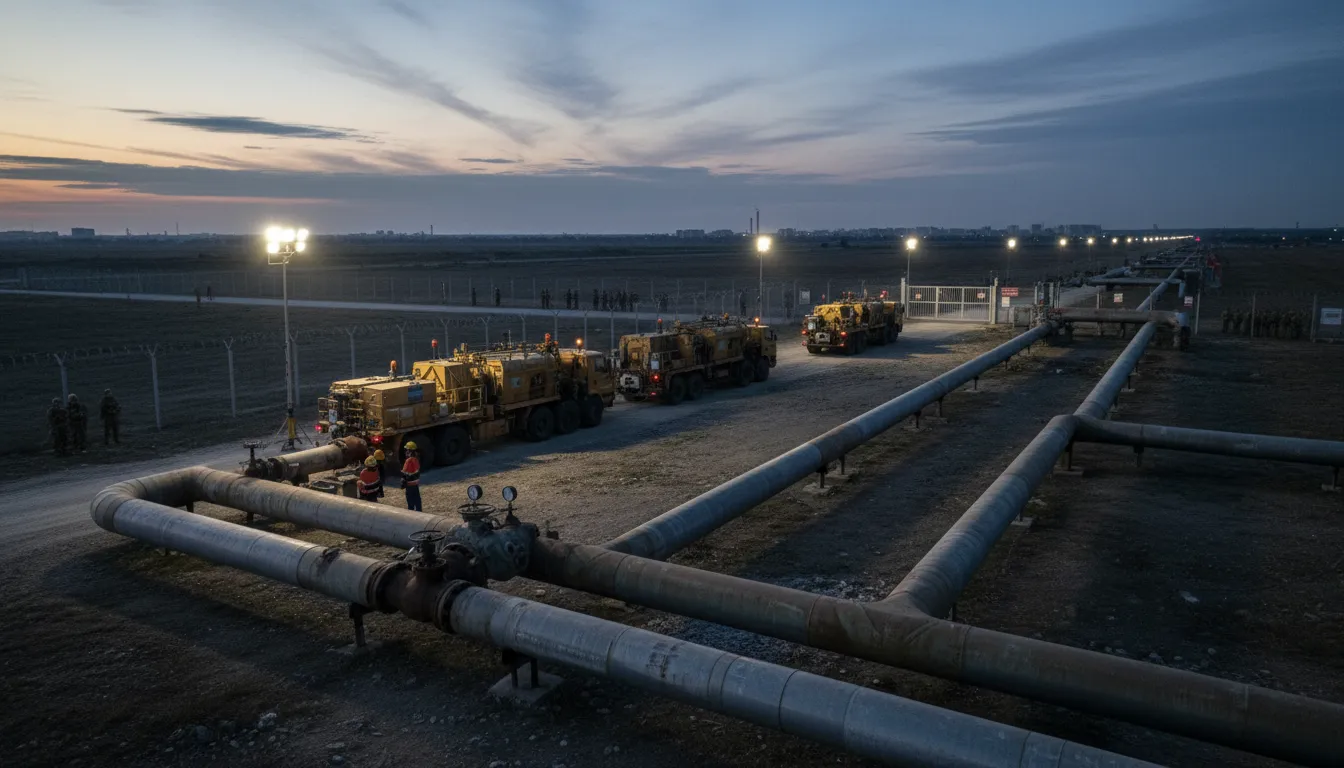
The Druzhba pipeline halted supplies on January 27, 2026, after an attack on infrastructure in the city of Brody in the Lviv region. Kyiv claims that the facility was hit by a Russian drone. Slovakia and Hungary reject this explanation and speak of an "oil blockade" – a deliberate shutdown of supplies for political reasons, accusing Zelenskyy of being the originator of the crisis.
Slovakia declared a state of oil emergency on February 18 and released 250,000 tons from its strategic reserves. Approximately 9 million tons of Russian oil flow annually through Druzhba to the refineries of the MOL Group, representing roughly four billion euros per year for the Kremlin. Fico has repeatedly accused Zelenskyy of lying and stated that he does not feel that Kyiv is interested in resuming transit.
Zelenskyy Invited Fico, Won't Let Inspectors In
During a phone call on February 27, President Volodymyr Zelenskyy invited Fico for personal talks directly in Ukraine. Fico conditionally accepted the invitation but stressed that he prefers a meeting on the territory of an EU member state: "I prefer a meeting with the Ukrainian president on the territory of one of the EU member states," the Slovak Prime Minister stated.
The key question of the inspection remained unresolved. Fico stated that Zelenskyy cited the opinion of the Ukrainian secret service and refused to allow experts to visit the site of the damage. Zelenskyy stated that repairing Druzhba is pointless as Russia repeatedly destroys the infrastructure and endangers repair crews trying to reach the site.
EU Under Pressure: 90 Billion Euros at Stake
Hungary has blocked the approval of a 90 billion euro EU aid package for Ukraine, as well as the 20th package of sanctions against Russia, conditioning both vetoes on the resumption of supplies via Druzhba. According to Politico, the European Commission is considering whether to promise Hungary the resumption of supplies in exchange for withdrawing its veto. Hungarian Foreign Minister Péter Szijjártó described the whole situation as blackmail on the part of Kyiv.
The EC has meanwhile asked Ukraine to speed up the repair work and proposed an alternative solution – oil could be transported to Hungary and Slovakia via the Croatian Adria pipeline from the port of Omišalj. The Commission assured that there is no immediate risk to the supply of either country, as they have strategic reserves.
Diplomatic Dead End
The Druzhba dispute has become one of the most striking examples of tension between some EU member states and Kyiv since the outbreak of the Russian invasion. Fico and Orbán insist on an inspection as a condition for further negotiations, but Kyiv is not backing down and rejects what it calls politically motivated demands. Until the parties agree on expert access, the resumption of oil supplies – and with it the unlocking of European aid – remains out of sight.