Fico Cancels Emergency Electricity Supply to Ukraine: Stalemate Continues
The Slovak government formally terminated the agreement on emergency electricity supplies to Ukraine on March 4th. Kyiv responded with criticism, arguing that Bratislava is shooting itself in the foot, as Ukraine was paying for the electricity.
Formal Termination of Agreement After Weeks of Tension
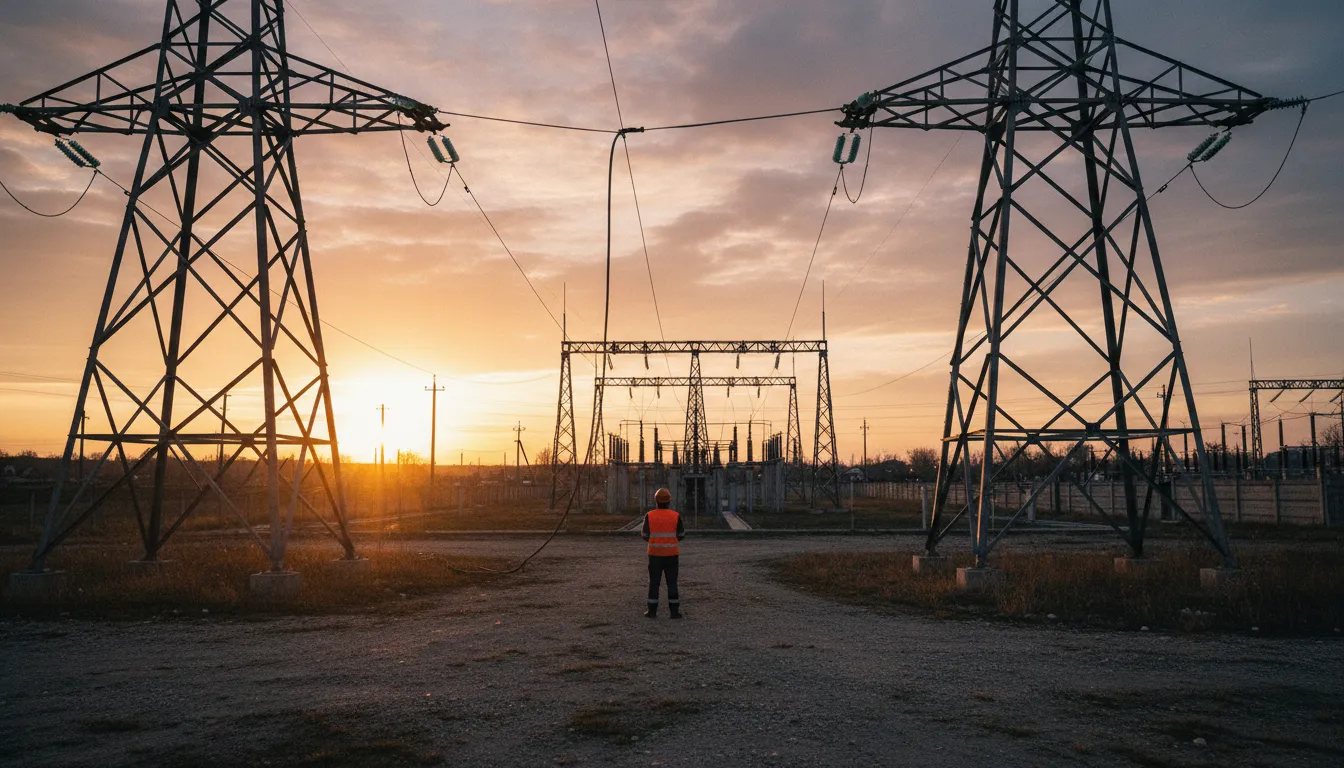
The Slovak government approved the termination of the emergency electricity supply agreement between the Slovak transmission system operator SEPS and the Ukrainian energy company Ukrenergo on March 4, 2026. Prime Minister Robert Fico pushed through the proposal as a reciprocal measure against Kyiv in the dispute over the resumption of oil transit through the Druzhba pipeline.
SEPS CEO Martin Magáth assured that the move would not result in any sanctions for Slovakia. Standard commercial electricity supplies to Ukraine, meanwhile, continue unchanged — only the emergency mechanism was suspended and subsequently formally cancelled.
"Shooting Itself in the Foot" — Kyiv's Reaction
Ukrainian Deputy Foreign Minister Andriy Sybiha and the Kyiv Independent news outlet described Bratislava's decision as self-damaging. Kyiv emphasized a key fact: Ukraine paid for the emergency electricity — it was not free aid. Slovak companies are thus losing a guaranteed income, while Ukraine can obtain electricity elsewhere.
Sybiha called the pressure from Bratislava and Budapest "provocative and irresponsible energy blackmail" and urged that ultimatums be directed at Moscow, not Kyiv. Ukrainian officials insist that the Druzhba pipeline was damaged by a Russian drone attack on January 27, 2026, near the Brody junction in the Lviv region — not by sabotage on the part of Kyiv.
Druzhba: Disputed Causes, Disputed Deadlines
Fico is conditioning any concessions on the resumption of oil transit. Slovakia and Hungary accuse Kyiv of deliberately delaying repairs for political reasons, which Zelenskyy denies. The President also stated that the technical repair of the pipeline could take about six weeks — but warned that the repair work is taking place in dangerous conditions and Ukrainian workers have been injured.
Fico refuses to meet with Zelenskyy until the European Commission supports Bratislava's position. Kyiv, on the other hand, proposed specific dates for a visit — March 6th and 9th — but without response. The European Union, meanwhile, is considering financing the pipeline repair itself, Bloomberg reported.
Diplomatic and Energy Stalemate
The dispute between Bratislava and Kyiv is thus deepening on several fronts at once. For Slovakia, the Druzhba pipeline is of strategic importance — it supplies the Slovnaft refinery in Bratislava, which is dependent on Russian crude. The interruption of supplies since January 2026 is forcing the government to activate emergency scenarios and threatens to increase the price of fuels and other commodities.
Analysts point out that the cancellation of the emergency electricity agreement is primarily a symbolic step — the real economic impact on Ukraine is limited. However, Bratislava is sending a clear signal of its willingness to escalate pressure if Kyiv does not agree to resume transit.
What Happens Next?
The stalemate will persist until one of the parties makes a concession. Zelenskyy has offered negotiations directly in Ukraine, while Fico insists on conditions. The EU is looking for a mediation solution — financing the repair of Druzhba from European sources could be a way to unblock the situation without either side losing face. However, it remains open whether and when such a compromise will be reached.