How Aerial Refueling Works and Why It Matters
Aerial refueling—transferring fuel between aircraft in mid-flight—extends the range of military jets to any point on Earth, turning the sky into a gas station and reshaping the limits of modern airpower.
A Flying Gas Station
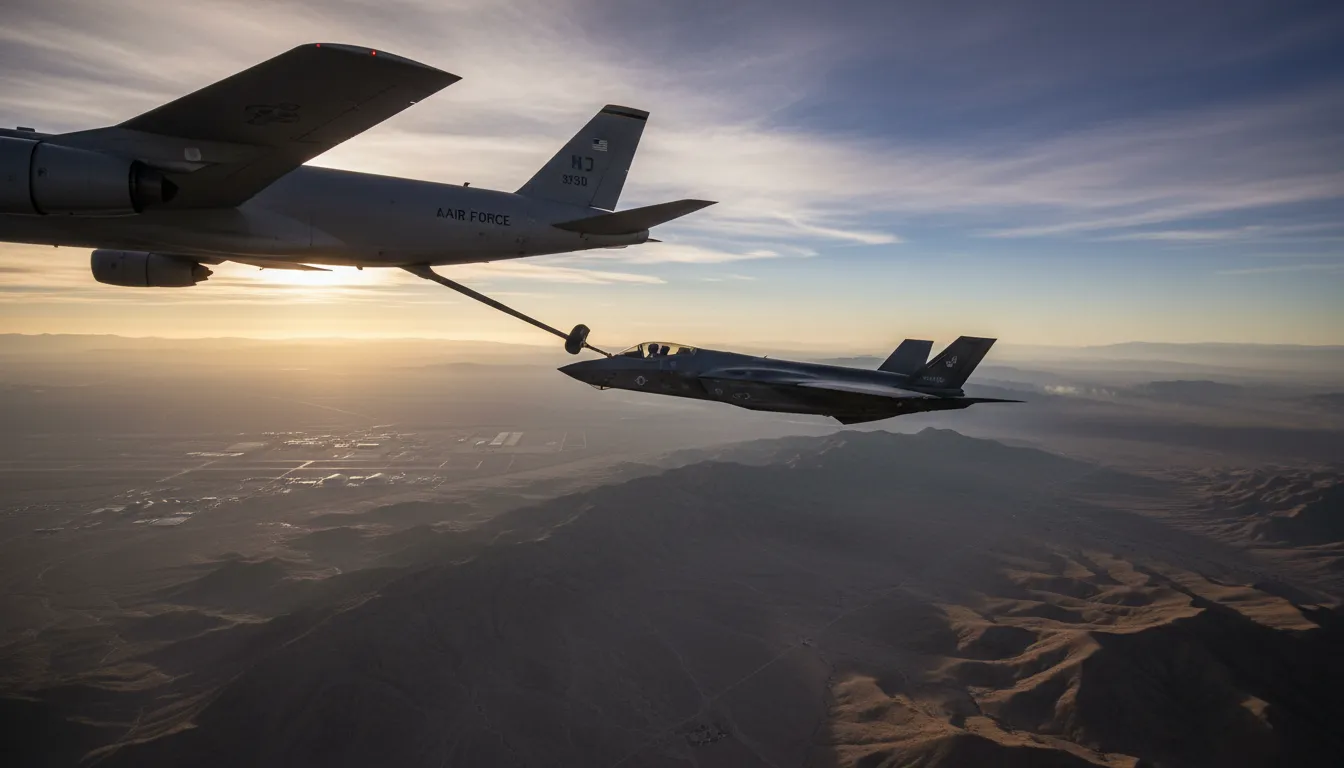
When a military aircraft needs to fly from the continental United States to a target halfway around the world, the limiting factor is rarely weapon payload or pilot skill—it is fuel. Aerial refueling, the process of transferring aviation fuel from one aircraft to another while both are in flight, solves this problem by turning the sky itself into a gas station. It is arguably one of the most transformative capabilities in modern military aviation.
Two Systems, One Goal
There are two primary methods of aerial refueling in use today, each suited to different aircraft types and mission requirements.
The Flying Boom
The flying boom is a rigid, telescoping tube extending from the tail of a tanker aircraft, steered by a dedicated crew member known as the boom operator. Using small aerodynamic surfaces called ruddervators, the boom operator aligns the tube with a receptacle on top of the receiving aircraft. Once locked, fuel flows at rates up to 6,500 pounds per minute—fast enough to top off a fighter jet in minutes. The flying boom is the preferred system of the U.S. Air Force and delivers fuel faster than any alternative.
The Probe-and-Drogue System
The probe-and-drogue method, favored by the U.S. Navy, Marine Corps, and most European air forces, works differently. The tanker trails a flexible hose ending in a funnel-shaped drogue. The receiving pilot steers a rigid probe—fixed or retractable—into the basket. It demands precise flying from the receiver pilot but is simpler to install on multiple aircraft types, and a single tanker can simultaneously refuel two or three aircraft using wing-mounted hose pods. The trade-off is speed: probe-and-drogue transfers fuel at roughly 2,000 pounds per minute.
The Physics and the Skill
Both systems demand extraordinary precision. Tanker and receiver must maintain a separation of roughly 100 feet or less—about the length of a tennis court—while flying at hundreds of miles per hour at altitude. Turbulence, the tanker's wake, and crew fatigue all introduce risk. Any abrupt movement triggers an automatic disconnection. Night refueling, conducted with minimal lighting to preserve stealth, is considered among the most demanding tasks in military aviation.
A Century of History
The first successful aerial refueling took place on June 27, 1923, over San Diego, California. Pilots Lowell H. Smith and John P. Richter received fuel from a DH-4B aircraft via a simple hose, using gravity. The technique remained experimental for decades, but the Cold War gave it urgent strategic purpose. By the 1950s, the U.S. Strategic Air Command required its nuclear-armed bombers to reach targets inside the Soviet Union from bases in the continental United States—a mission impossible without aerial refueling.
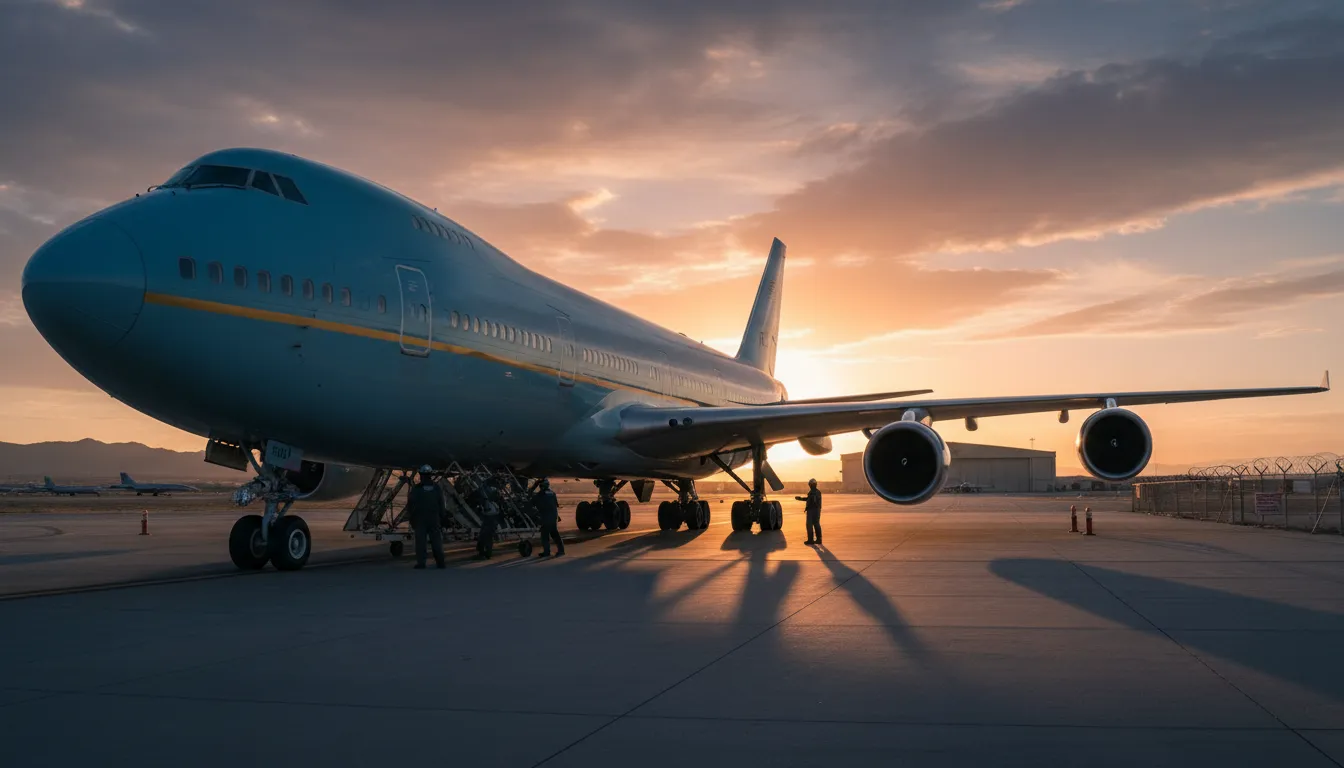
The Boeing KC-135 Stratotanker, which entered service in 1957, became the backbone of this capability. Still flying today, the KC-135 carries up to 200,000 pounds of fuel and offloads it through its flying boom at up to 6,500 pounds per minute. Its crew consists of a pilot, co-pilot, and boom operator. The first combat use of aerial refueling came during the Korean War, when F-84 fighter-bombers extended their operational range over the peninsula. In Vietnam, in the Gulf War, and in every major U.S. military operation since, tanker aircraft have been central to the mission.
Strategic Importance: The Force Multiplier
Military planners describe aerial refueling as a force multiplier. Without it, an aircraft's range is fixed by fuel capacity alone; with it, range is limited mainly by crew endurance. A fighter jet normally confined to targets a few hundred miles away can strike anywhere on Earth—provided enough tankers are on station. The 1982 Falklands War offers a vivid example: the British Royal Air Force flew Vulcan bombers on a 7,800-mile round trip from Ascension Island to bomb the airfield at Port Stanley, a mission that required 11 separate aerial refueling contacts.
Tankers also enable persistent air patrols, keeping aircraft aloft for many hours over conflict zones to extend surveillance, combat air patrol, and electronic warfare well beyond what internal fuel allows. According to the U.S. Air Force, air refueling directly increases the speed, range, lethality, and flexibility of every combat aircraft it supports.
The Fleet Today and Tomorrow
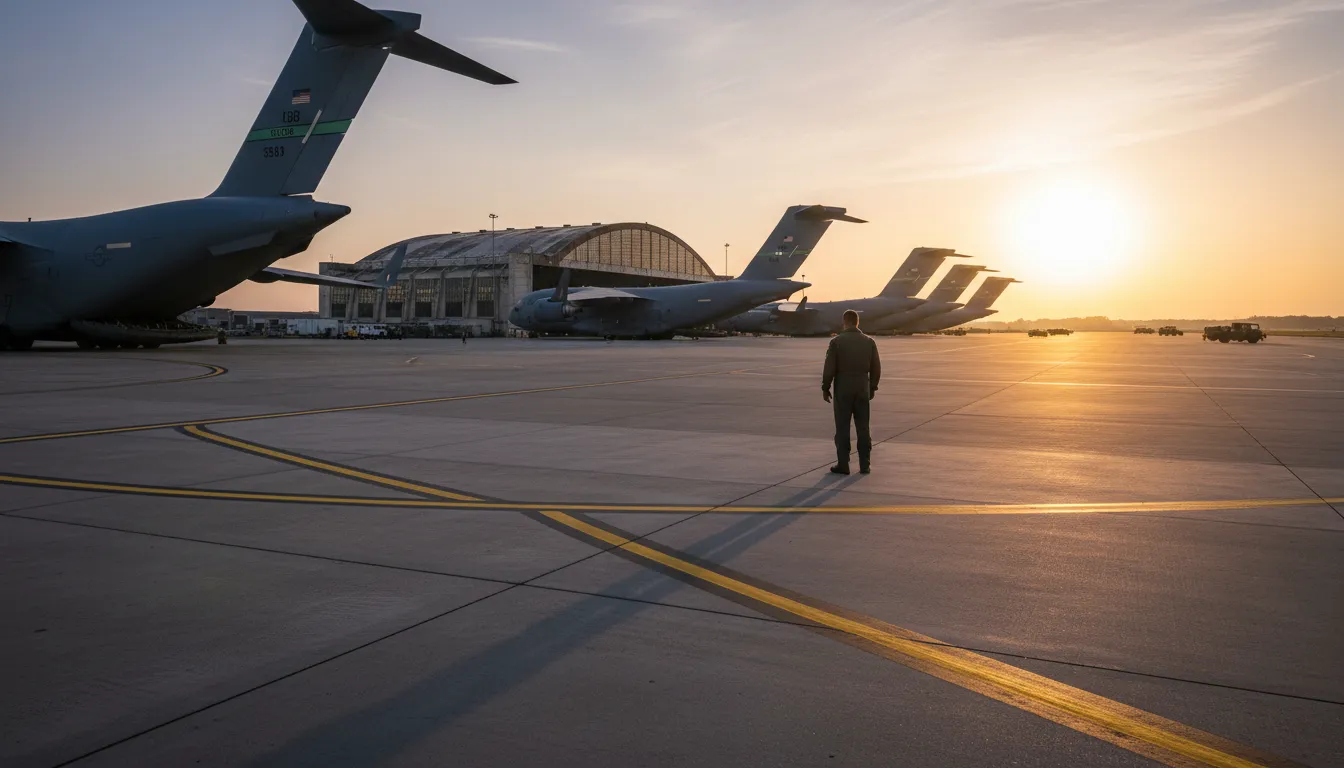
The U.S. Air Force operates the world's largest tanker fleet. Alongside the aging KC-135, the newer KC-46 Pegasus—based on a Boeing 767 airframe—is gradually taking over refueling duties. The KC-46 replaces the traditional prone boom operator position with a camera-based remote vision system and a forward-facing seat. European and allied nations operate the Airbus A330 MRTT, which supports both boom and probe-and-drogue refueling from a single airframe.
As unmanned systems grow in importance, engineers are developing autonomous aerial refueling—technology that would allow drones to refuel each other without human input, potentially extending the reach of robotic airpower to every corner of the globe.