How Digital Trade Tariffs Work—and Why They Matter
For nearly three decades, countries agreed not to tax digital goods crossing borders. With the WTO e-commerce moratorium now expired, the door is open to tariffs on software, streaming, and downloads—reshaping how the digital economy operates globally.
The Agreement That Kept Digital Trade Free
When WTO members first agreed in 1998 not to impose customs duties on electronic transmissions, e-commerce was a novelty. The moratorium—renewed every two years at ministerial conferences—was designed to nurture a fragile digital economy. It meant that when a company in one country sold software, an e-book, or a streamed film to a buyer in another, no government along the way could levy an import tariff on that transaction.
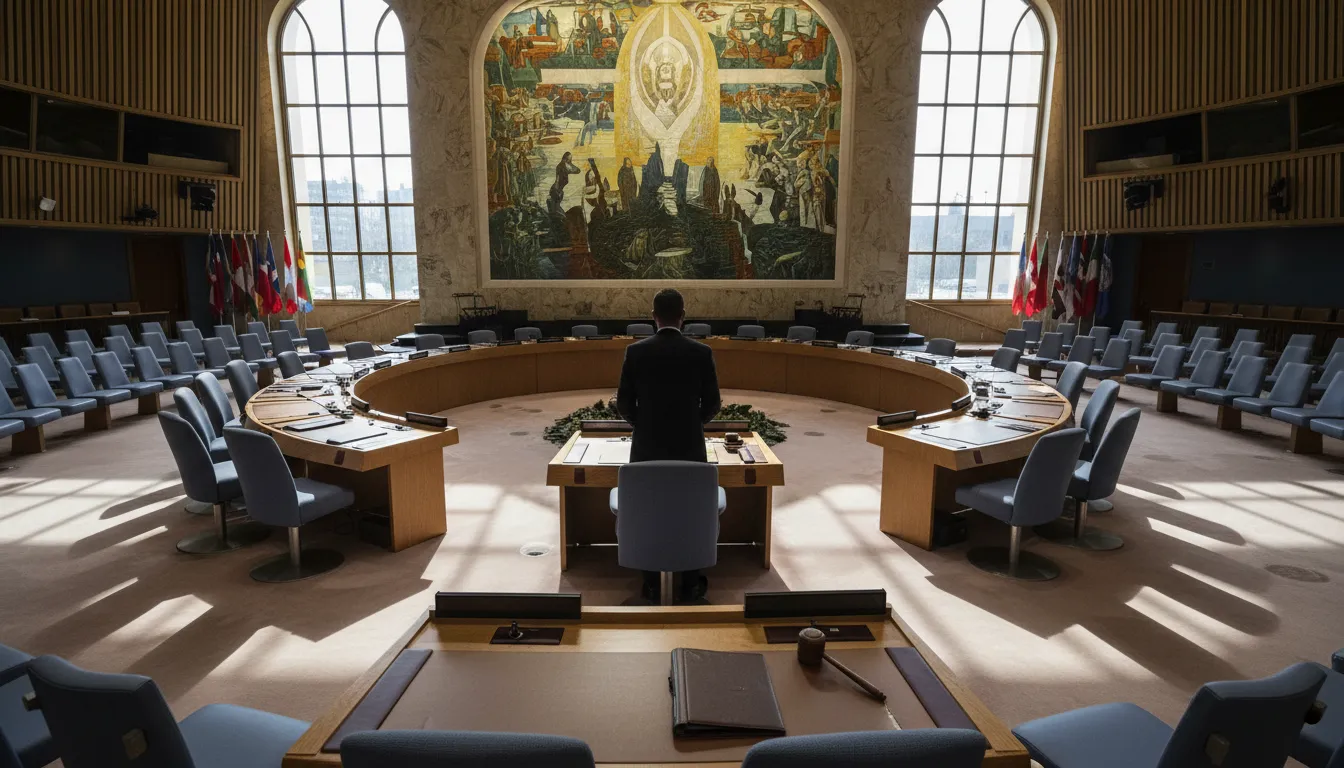
The arrangement held for nearly three decades. But at the WTO's 14th Ministerial Conference in Yaoundé, Cameroon, in March 2026, members failed to renew the moratorium for the first time, allowing it to expire on March 31. The collapse has opened a new chapter in global trade policy—one where digital goods may soon face the same border taxes as physical ones.
What the Moratorium Actually Covered
The moratorium applied to customs duties on electronic transmissions—a category that includes software downloads, digital music and films, video games, e-books, and even cloud-based services like SaaS platforms. Crucially, it did not prevent countries from applying domestic taxes such as VAT or sales tax to digital purchases. It only blocked the specific trade tool of import tariffs at the border.
One persistent complication: WTO members never formally agreed on a definition of "electronic transmissions." That ambiguity allowed the moratorium to function through consensus, but it also meant no one was entirely sure of its precise boundaries—a tension that grew as the digital economy expanded from a few billion dollars in the late 1990s to trillions in annual cross-border digital trade.
Why Developing Countries Pushed Back
The moratorium became increasingly contentious because of who benefits most. Major digital exporters—overwhelmingly based in the United States, the European Union, and a handful of other advanced economies—profited from duty-free access to global markets. Meanwhile, developing nations watched potential revenue slip away.
A landmark 2019 UNCTAD study estimated that developing countries forfeited roughly $10 billion in potential tariff revenue in 2017 alone. Least-developed countries lost an estimated $1.5 billion, and African nations about $2.6 billion. Countries like India, Brazil, and Indonesia argued that the moratorium stripped them of a legitimate policy tool to manage their digital economies and generate public revenue.
What Happens Without the Moratorium
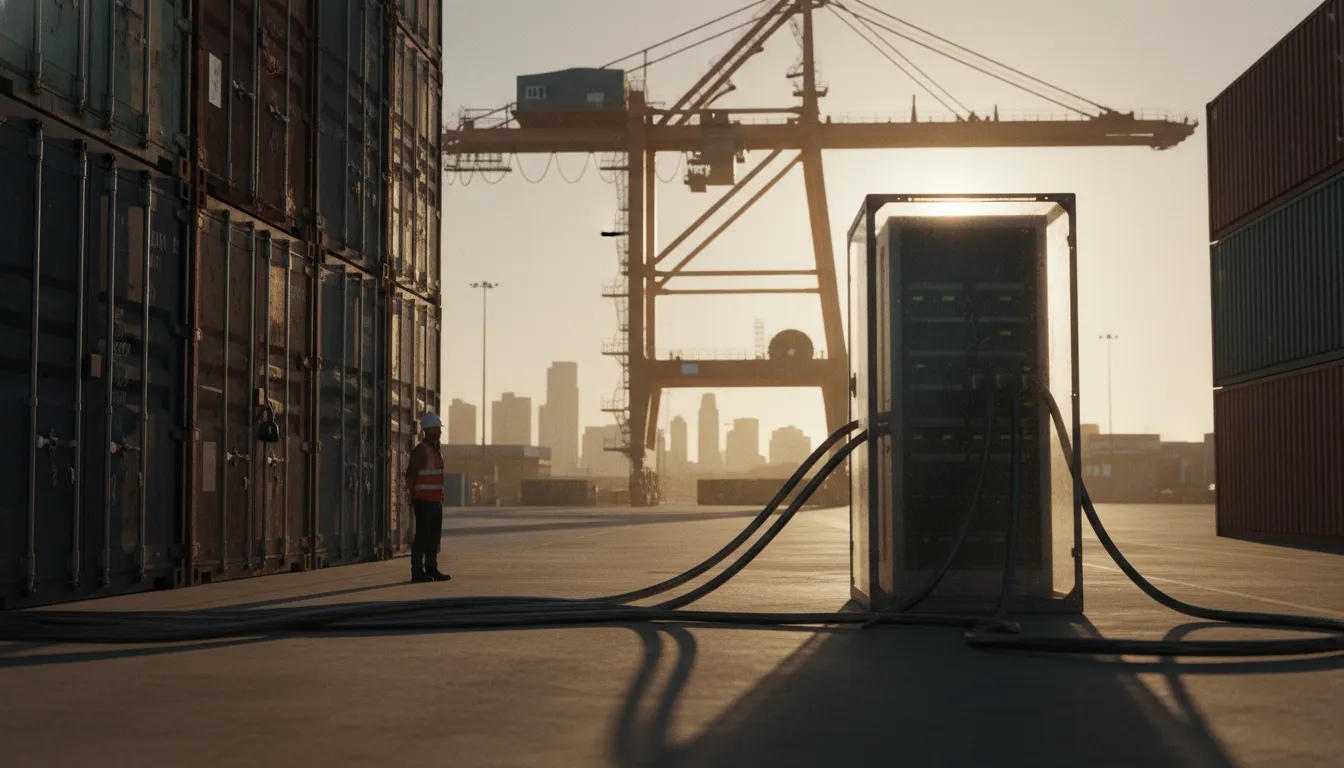
The expiration does not mean tariffs appear overnight. Countries must first design and implement the technical infrastructure to identify, classify, and tax digital transmissions at the border—a considerable challenge. But the legal barrier is gone. Any WTO member can now, in principle, impose customs duties on imported digital products.
Industry groups warn the consequences could be severe. The International Chamber of Commerce argues that digital tariffs would raise costs across sectors, disrupt global supply chains, and disproportionately harm small businesses and women-owned firms in developing countries—the very groups some proponents claim to be protecting. The OECD has warned that restricting digital trade could make digitalization more expensive for lower-income nations, widening rather than narrowing the global digital divide.
A Fractured Digital Trade Landscape
In response to the WTO impasse, 66 member states representing about 70% of global trade agreed to uphold duty-free digital trade among themselves through a plurilateral Agreement on Electronic Commerce. The United States has also signaled it will form coalitions of like-minded nations to maintain the moratorium's principles outside the WTO framework.
This creates a two-tier system: countries inside these agreements continue trading digital goods freely, while those outside may erect new barriers. The risk, analysts at CSIS and the Information Technology and Innovation Foundation note, is a fragmented global internet where the cost of a software download or streaming subscription depends on which country you happen to be in.
Why It Matters
The debate over digital trade tariffs sits at the intersection of sovereignty, development, and the architecture of the modern internet. Supporters of tariffs see a chance for governments to reclaim fiscal control over an economy that has grown far beyond what 1998 negotiators imagined. Opponents warn that taxing data flows could slow innovation, raise consumer prices, and undermine the open digital ecosystem that has driven decades of global growth.
With no WTO consensus in sight, the future of digital trade will likely be shaped not by one global agreement but by a patchwork of bilateral and plurilateral deals—making the rules of the digital economy more complex, and more contested, than ever before.