How Economic Sanctions Work—and Do They?
Economic sanctions have become the world's go-to tool for punishing rogue states and pressuring policy change, yet research shows they succeed only about a third of the time. Here is how they work, who enforces them, and why their track record is so mixed.
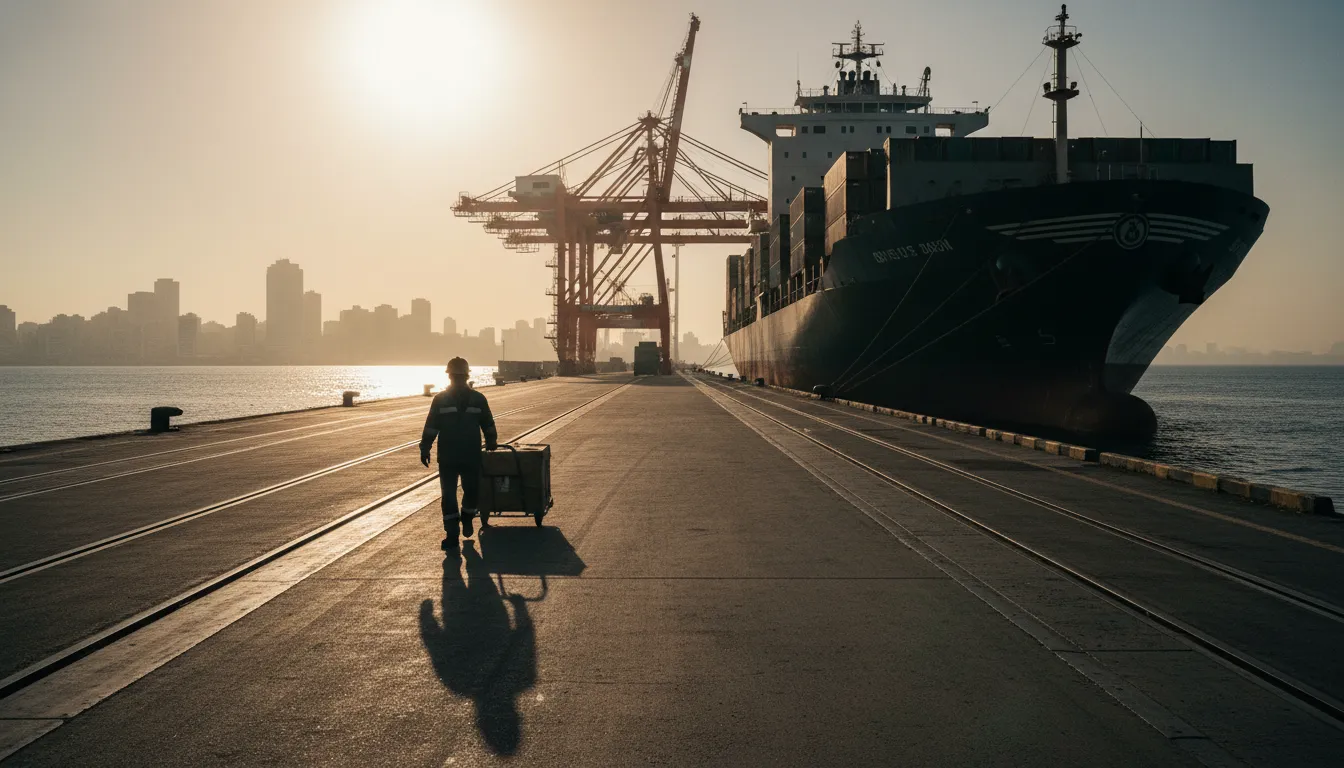
The World's Favorite Pressure Tool
When governments want to punish a rival without firing a shot, they reach for economic sanctions—the deliberate withdrawal of normal trade and financial relations to achieve foreign-policy goals. Sanctions have surged in popularity: their use increased nine-fold between 2000 and 2021, making them what scholars now call a "tool of first resort." Yet their track record is far more complicated than headlines suggest.
What Sanctions Actually Do
At their core, sanctions aim to inflict enough economic pain on a target—a country, regime, organization, or individual—that it changes its behavior. The Council on Foreign Relations identifies several common forms:
- Trade restrictions — embargoes that block imports, exports, or both
- Asset freezes — blocking bank accounts and property of designated targets
- Travel bans — barring specific individuals from entering sanctioning countries
- Arms embargoes — cutting off weapons sales and military assistance
- Financial sanctions — severing access to banking systems, including the SWIFT payments network
Sanctions fall into two broad categories. Comprehensive sanctions target entire economies—think the long-standing U.S. embargoes on Cuba and North Korea. Targeted or "smart" sanctions zero in on specific leaders, companies, or sectors while trying to spare ordinary citizens.
Who Enforces Them
In the United States, the Treasury Department's Office of Foreign Assets Control (OFAC) administers over three dozen sanctions programs and maintains a blacklist of more than 12,000 specially designated nationals whose assets are blocked. The State Department designates foreign terrorist organizations and state sponsors of terrorism. Penalties for violations are severe: French bank BNP Paribas paid nearly $9 billion in 2014 for processing transactions through sanctioned countries—the largest such settlement ever.
The United Nations Security Council can impose multilateral sanctions, though any of the five permanent members can veto a proposal. The European Union, which requires unanimous consent from all 27 member states, has imposed sanctions more than 30 times since 1992, making it the second-most-active sanctioning power after the United States.
A Brief History
Sanctions are not a modern invention. The U.S. Treasury has administered trade restrictions since before the War of 1812, when Secretary Alexander Gallatin enforced measures against Britain for harassing American sailors. OFAC itself traces its lineage to World War II, when the Office of Foreign Funds Control froze Nazi-controlled assets. The office was formally established in December 1950 after President Truman blocked Chinese and North Korean assets during the Korean War.
The modern era of "smart" sanctions began after September 11, 2001, when President Bush's Executive Order 13224 gave the Treasury broad authority to freeze assets linked to terrorism financing.
Do They Actually Work?
This is the central debate. An influential study of more than 200 sanctions episodes from World War I to the early 2000s found they achieved at least partial success about 34 percent of the time, according to analysis cited by Tufts University. Sanctions demanding modest policy changes succeeded far more often than those seeking regime change or military impairment.
Several factors determine outcomes. Sanctions work best when the target country is economically dependent on the sanctioning coalition, when demands are limited and specific, and when an international coalition acts together. Financial sanctions can be devastating—exclusion from SWIFT and asset freezes have caused GDP losses of up to 10 percentage points in some cases, according to the Kiel Institute for the World Economy.
Why They Often Fall Short
Targets adapt. Countries reroute trade through sympathetic third parties—so-called "black knight" nations—that undercut the sanctions regime. Smuggling networks emerge. Authoritarian leaders frequently shift the economic burden onto civilians while tightening their grip on power.
Daniel Drezner, a sanctions scholar at Tufts University's Fletcher School, notes that the threat of sanctions tends to be more effective than their actual imposition, because targets inclined to comply often do so before restrictions take hold. Once sanctions are in place, domestic interest groups in the sanctioning country can resist lifting them even after goals are met—the decades-old Cuba embargo being a prime example.
"For political reasons, it seems likely that the use of sanctions will continue to rise—as will all the negative externalities that they create," Drezner has observed.
The Bottom Line
Economic sanctions occupy an awkward middle ground in the foreign-policy toolkit: stronger than diplomatic protests, less destructive than military force, yet far from reliable. Their roughly one-in-three success rate means governments keep using them—partly because the alternatives are worse—while scholars keep debating whether any given round will actually change behavior or simply inflict collateral damage on the people sanctions are supposed to help.


