How Private Military Companies Work—and Why They Thrive
Private military companies employ tens of thousands of contractors worldwide, operating in a legal gray zone between soldiers and civilians. Here is how the industry works, who hires them, and why regulation remains elusive.
Soldiers for Hire
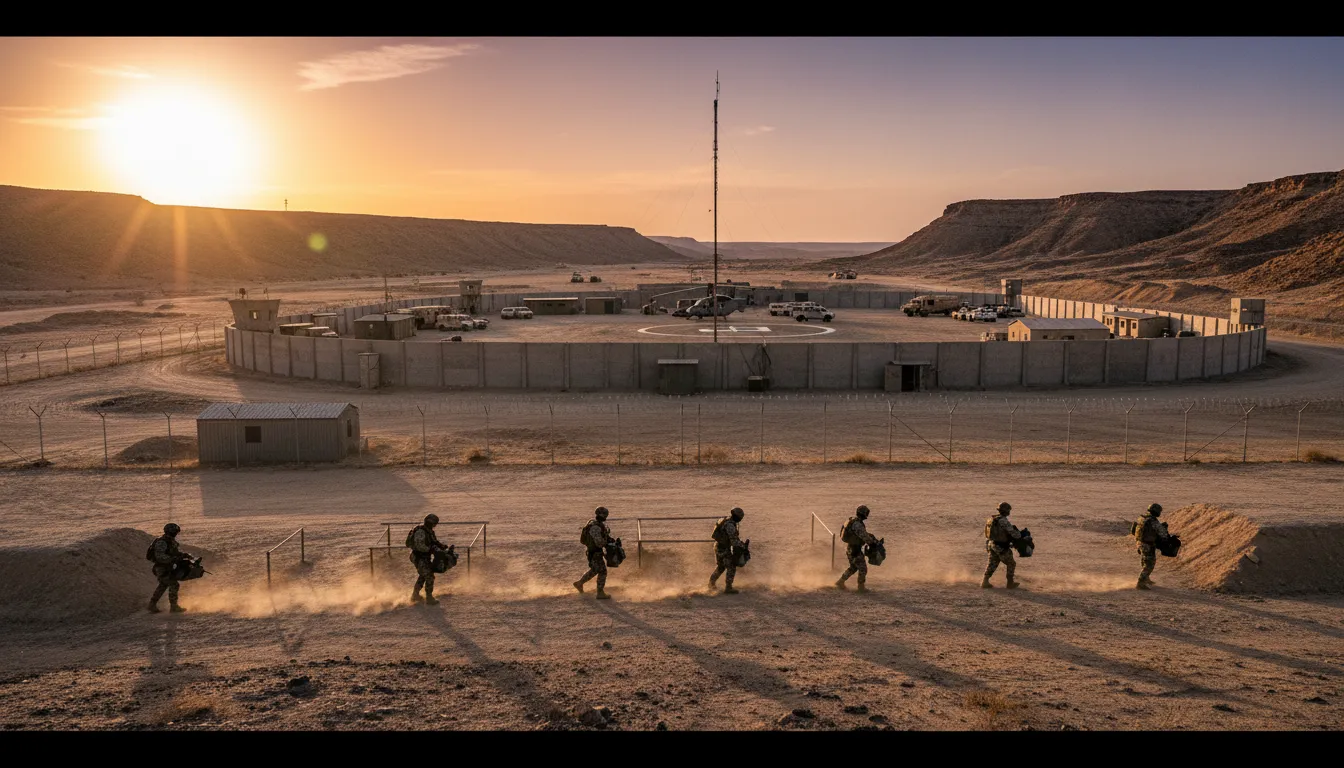
When gunfire erupts in a conflict zone, the fighters pulling triggers are not always uniformed soldiers answering to a government. Increasingly, they work for private military companies (PMCs)—corporate entities that recruit, train, and deploy armed personnel for profit. The global PMC industry is worth an estimated $100 billion, and its footprint stretches from the Middle East to sub-Saharan Africa, Latin America, and Eastern Europe.
PMCs occupy a murky space between legitimate security firms and the mercenaries of old. Understanding how they operate—and why governments keep hiring them—requires looking at their business model, legal status, and the regulatory vacuum that lets them flourish.
What PMCs Actually Do
Private military companies offer services that once belonged exclusively to state armies. Their contracts typically cover armed security and personal protection, training and advising local military forces, intelligence gathering and surveillance, logistics and supply-chain management, and maintenance of weapons systems and military equipment.
Personnel are almost exclusively drawn from former special-forces operators, military veterans, and ex-police officers. Companies recruit globally, sometimes fielding multinational teams on a single contract. Clients range from the U.S. Department of Defense and the British Foreign Office to mining corporations, oil firms, and—more controversially—authoritarian governments seeking to shore up their grip on power.
The Industry's Biggest Players
The modern PMC industry exploded after the September 11, 2001, attacks, when the United States outsourced vast portions of its operations in Iraq and Afghanistan. Blackwater, founded in 1997 by former Navy SEAL Erik Prince, became the sector's most recognizable name. At its peak, the firm held contracts worth hundreds of millions of dollars protecting senior U.S. officials in Baghdad. After the 2007 Nisour Square massacre, in which Blackwater employees killed 17 Iraqi civilians, the company rebranded—first as Xe Services, then as Academi—before folding into the Constellis umbrella in 2014.
On the Russian side, the Wagner Group fielded over 50,000 personnel across Syria, Ukraine, and at least 20 African countries before its founder, Yevgeny Prigozhin, died in 2023. Moscow subsequently absorbed Wagner's operations into a state-run successor called Africa Corps, which now operates in Mali, the Central African Republic, Libya, Burkina Faso, and Niger, according to the Armed Conflict Location & Event Data Project (ACLED).
The Legal Gray Zone
International humanitarian law treats most PMC employees as civilians. Under the Geneva Conventions, they are protected from attack—unless they directly participate in hostilities, at which point they lose that protection. Unlike regular soldiers, contractors who fight cannot claim prisoner-of-war status if captured, according to the International Committee of the Red Cross.
The distinction between a PMC contractor and a mercenary is legally significant but practically blurry. The 1989 UN International Convention against the Recruitment, Use, Financing and Training of Mercenaries outlaws mercenary activity, yet major military powers—including the United States, the United Kingdom, and Russia—have never ratified it.
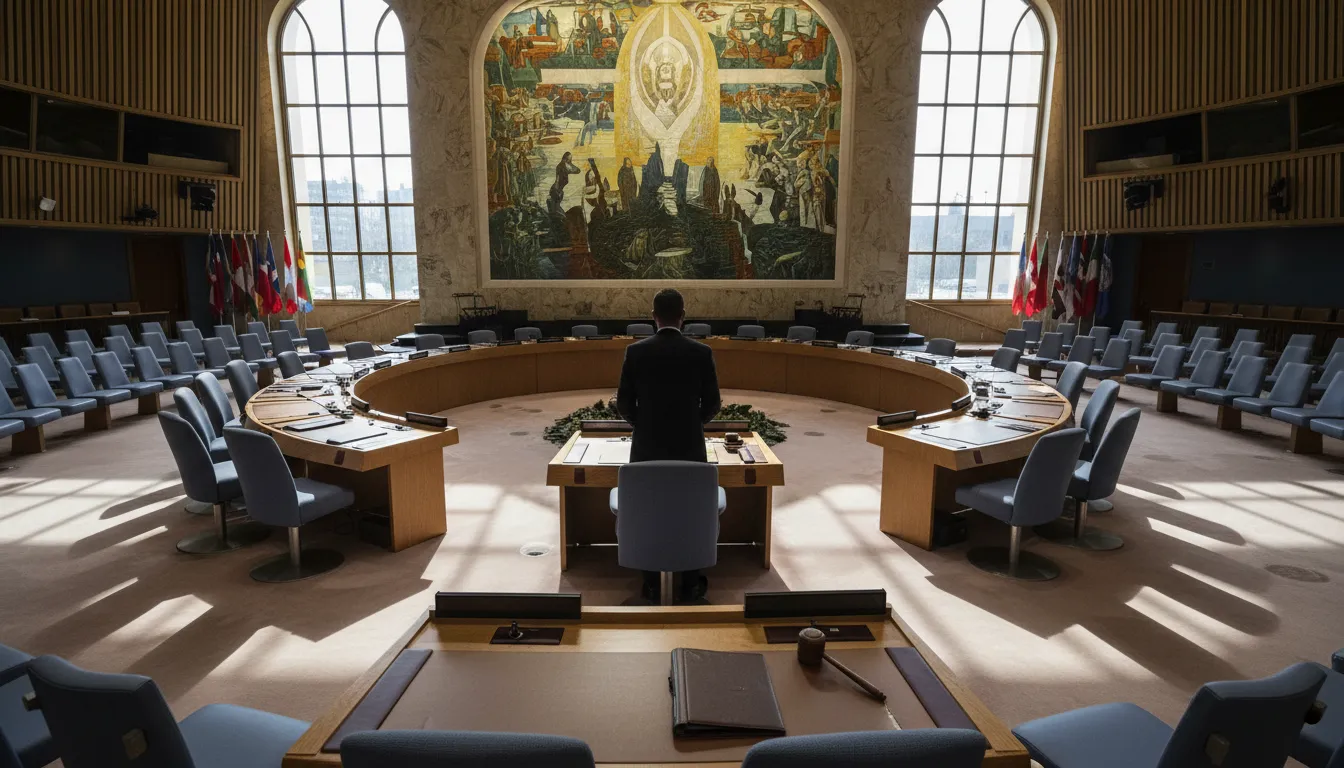
The most significant regulatory effort to date is the Montreux Document, adopted in 2008 through a joint initiative of Switzerland and the ICRC. Now supported by 54 states and three international organizations, it reaffirms existing legal obligations but remains non-binding. Domestic regulation varies wildly: some countries ban PMCs outright, others require strict licensing, and many have no rules at all.
Why Governments Keep Hiring Them
PMCs offer political convenience. Contractor casualties do not appear in official military death tolls, reducing public backlash. They can be deployed faster than standing armies and disbanded just as quickly. For smaller nations, PMCs provide capabilities—air support, cyber operations, elite training—that their own militaries lack.
Critics counter that this convenience comes at a steep cost: reduced accountability, human-rights abuses, and the privatization of violence. When contractors commit atrocities, prosecution is notoriously difficult across jurisdictional boundaries. The UN Office of the High Commissioner for Human Rights has repeatedly warned that the unchecked growth of PMCs poses a fundamental challenge to the state monopoly on the use of force.
As conflicts multiply and defense budgets tighten, the private military industry shows no sign of shrinking. The question is no longer whether nations will use PMCs—but whether the world can build a legal framework to hold them accountable when they do.