How Wildlife Trafficking Works and Why It Persists
Wildlife trafficking is a $20 billion criminal industry affecting over 4,000 species. Here is how the illegal trade works, who profits, and why decades of enforcement have failed to stop it.
A Hidden Criminal Empire
Every year, poachers, smugglers, and organized crime networks move billions of dollars' worth of animals and plants across borders illegally. Wildlife trafficking — the illegal trade in wild fauna and flora — has grown into one of the world's most lucrative criminal enterprises, estimated to be worth between $7 and $23 billion annually, placing it alongside arms and drug trafficking in scale. Yet unlike those crimes, it rarely makes front pages.
According to the UN Office on Drugs and Crime (UNODC), seizures between 2015 and 2021 documented illegal trade affecting around 4,000 plant and animal species across 162 countries. Despite two decades of international action, the problem has not been substantially reduced.
The Supply Chain: From Forest to Market
Wildlife trafficking operates like any global supply chain — except every step is illegal. It begins with poaching at the source. Hunters and trappers, often from economically vulnerable communities, kill or capture wild animals for a fraction of their eventual market value. An elephant poacher might receive as little as $200 for ivory worth $500–$1,000 per kilogram on destination markets — a markup of up to 400 percent.
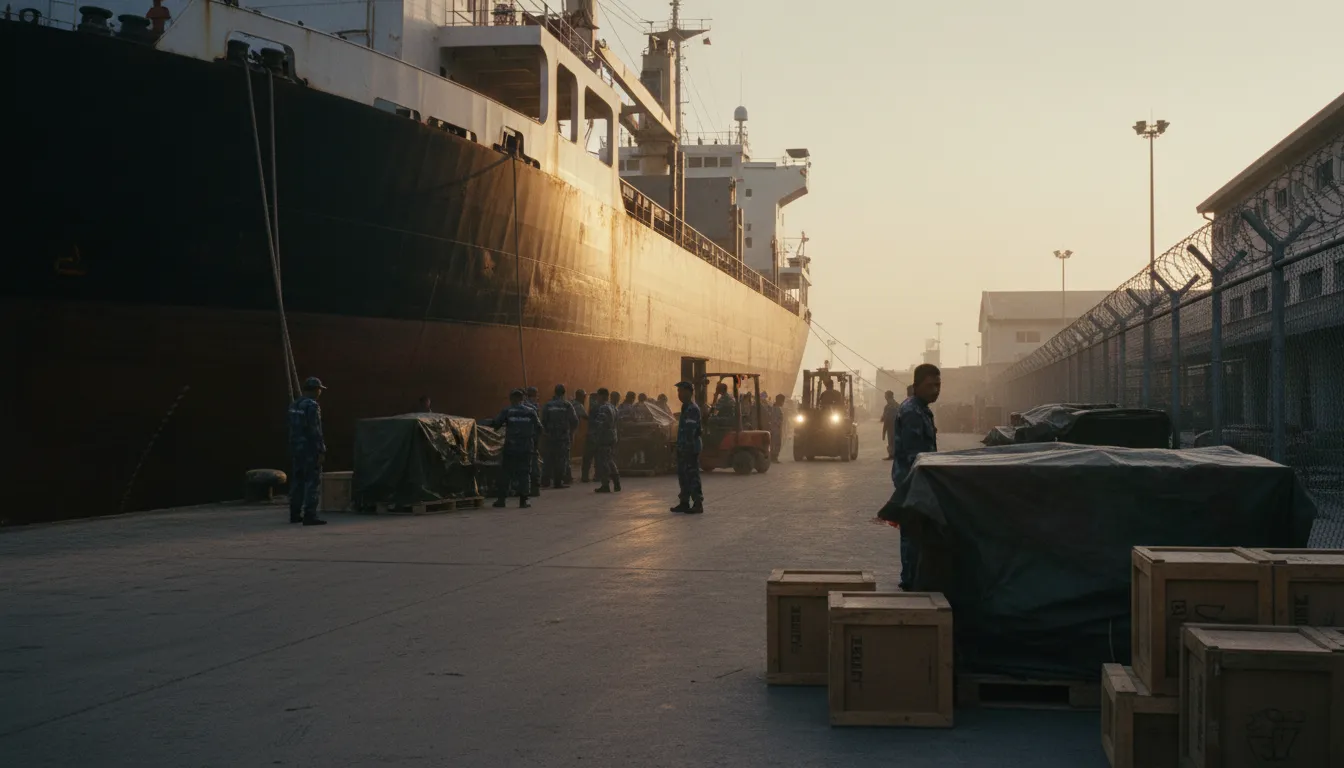
From there, middlemen and smugglers take over. They bundle shipments with legal cargo, bribe border officials, and exploit weaknesses in customs infrastructure. Live animals are hidden in luggage or mailed through postal services. Dried body parts — scales, bones, horns — are mislabeled as legal goods. Increasingly, traffickers use encrypted messaging apps and dark-web platforms to broker deals across continents with minimal risk of detection.
At the far end of the chain, consumers pay premium prices for luxury goods, traditional medicines, exotic pets, and food. Demand is highest in parts of East and Southeast Asia, but markets exist on every continent.
The Most Trafficked Species
The UNODC World Wildlife Crime Report 2024 identifies the species most affected by trafficking:
- Pangolins — their scales, used in traditional medicine, make up 28% of all seized animal products
- Rhinos — horn accounts for 29% of seized items; a single horn can fetch tens of thousands of dollars
- Elephants — ivory represents 15% of seizures; though large-scale poaching has declined, trade persists
- Rosewoods and cedarwood — the most trafficked plants by volume, valued for luxury furniture
Pangolins are arguably the world's most trafficked mammal. All eight species were listed under CITES Appendix I in 2016, banning commercial international trade entirely — yet seizures continue at alarming rates.
The Role of Organized Crime
Wildlife crime is no longer simply a matter of opportunistic poaching. INTERPOL describes it as one of the world's largest criminal activities, deeply intertwined with drug cartels, arms traffickers, and corrupt government officials. Transnational crime groups manage entire supply chains — from sourcing to shipping to retail — and use profits to fund other criminal operations.
The same networks that move drugs through ports also move shark fins, tiger bones, and live reptiles. Corruption is a critical enabler: when customs officers, rangers, and judges can be bribed, enforcement becomes nearly impossible at the source.
How Enforcement Works — and Why It Falls Short
The primary international legal framework is the Convention on International Trade in Endangered Species (CITES), which has 184 signatory countries. CITES classifies species into three appendices based on extinction risk and regulates or bans their commercial trade accordingly. When shipments are intercepted, countries can pursue prosecutions under national wildlife protection laws.
The International Consortium on Combating Wildlife Crime (ICCWC) — a collaboration between CITES, INTERPOL, UNODC, the World Bank, and the World Customs Organization — coordinates intelligence sharing and joint operations. The US State Department also issues visa restrictions targeting known traffickers.
Despite these tools, enforcement faces structural problems. Penalties in many countries remain low relative to the profits involved, reducing the deterrent effect. Capacity gaps in wildlife law enforcement are widespread, particularly in biodiversity-rich but resource-poor nations. And as the World Economic Forum notes, traffickers continuously adapt — shifting routes, species, and methods faster than regulators can respond.
Why It Matters Beyond Conservation
The consequences of wildlife trafficking extend far beyond the loss of individual animals. Removing keystone species disrupts entire ecosystems — when predators or pollinators disappear, food webs collapse. The trade also poses public health risks: the movement of live wild animals across borders creates pathways for zoonotic diseases to jump to humans. Many researchers believe the live wildlife trade contributed to conditions that enabled past pandemic outbreaks.
Solving wildlife trafficking requires more than enforcement. Demand reduction campaigns, community-based conservation that gives local people economic stakes in protecting wildlife, and stronger sentencing laws together form the framework most experts agree is necessary. So far, none alone has been enough.