Lab-Grown Mini Spinal Cords Open New Front in Paralysis Research
Northwestern University scientists have created the most advanced laboratory model of the human spinal cord to date, using it to simulate traumatic injuries and test a promising regenerative therapy — potentially transforming how spinal cord
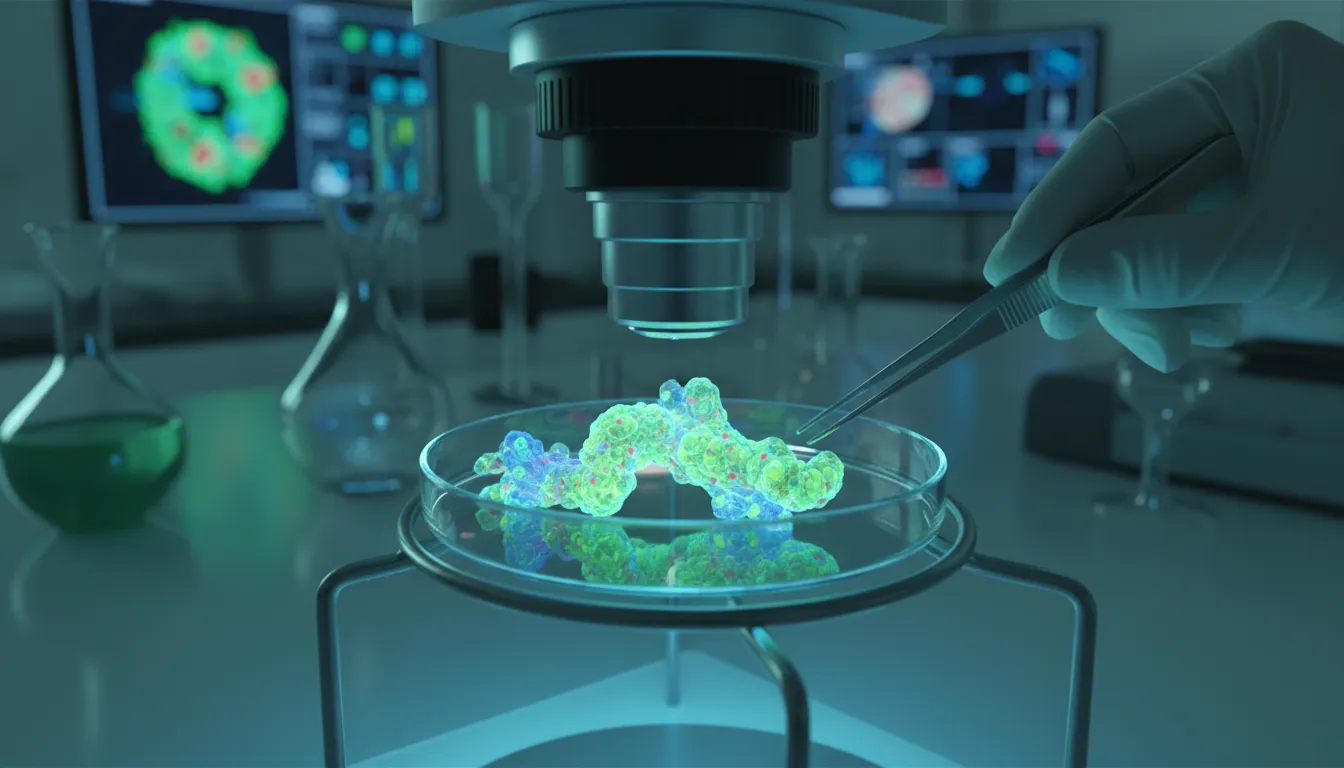
A Breakthrough in a Dish
For the roughly 20 million people worldwide living with spinal cord injuries, effective treatments remain agonizingly scarce. A major obstacle has been the lack of realistic human models for testing new therapies — until now. Scientists at Northwestern University have grown miniature human spinal cords in the laboratory and, for the first time, used them to accurately replicate the devastating cascade of damage that follows a real spinal cord injury.
The research, published in Nature Biomedical Engineering on February 11, 2026, represents the most advanced organoid model for human spinal cord injury ever developed — and it has already been used to validate a therapy that could one day reverse paralysis.
Building a Spinal Cord From Scratch
Led by Samuel I. Stupp, a professor of materials science, chemistry and medicine at Northwestern, and first author Nozomu Takata of the Feinberg School of Medicine, the team spent months coaxing induced pluripotent stem cells into forming complex spinal cord tissue. The resulting organoids — measuring several millimeters across — contained neurons, astrocytes and, crucially, microglia, the immune cells of the central nervous system.
Incorporating microglia was a first for this type of model. Their presence allowed the organoids to reproduce the inflammatory response that is central to spinal cord injury pathology. Without them, previous models could not capture the full biological picture.
Simulating Real Injuries
The researchers subjected their organoids to two common types of spinal cord trauma. Some were cut with a scalpel to mimic lacerations similar to surgical wounds. Others received compressive contusion injuries, replicating the kind of blunt force trauma caused by car crashes or severe falls.
Both injury types triggered the hallmark responses seen in real patients: cell death, inflammation and glial scarring — the dense barrier of scar tissue that blocks nerve regeneration and is one of the primary reasons spinal cord injuries remain so difficult to treat.
"One of the most exciting aspects of organoids is that we can use them to test new therapies in human tissue. Short of a clinical trial, it's the only way you can achieve this objective," said Stupp.
Dancing Molecules Show Promise
The team then tested a regenerative treatment known as "dancing molecules" — a supramolecular therapeutic peptide developed by Stupp's lab that previously reversed paralysis in animal models. The therapy consists of roughly 100,000 molecules that self-assemble into nanofibers mimicking the spinal cord's natural extracellular matrix. Their rapid molecular motion helps them interact more effectively with cell receptors.
The results were striking. Treated organoids showed significant outgrowth of neurites — the long projections that connect neurons to one another — while glial scar tissue was reduced to the point of being "barely detectable," according to Stupp. Neurons also grew in organized, structured patterns rather than the chaotic arrangement typically seen after injury.
From Lab Bench to Bedside
The dancing molecules therapy has already received Orphan Drug Designation from the U.S. Food and Drug Administration, a milestone that provides incentives for developing treatments for rare conditions and signals regulatory interest in moving the therapy toward clinical trials.
Beyond validating one specific treatment, the organoid platform itself may prove transformative. By providing a realistic human tissue environment for testing drugs, it could reduce reliance on animal models, lower research costs and accelerate the timeline for bringing new spinal cord therapies to patients. The model also opens the door to personalized medicine, since organoids can be derived from individual patients' own cells.
For the millions of people living with spinal cord injuries — a number the World Health Organization estimates continues to grow globally — this convergence of advanced tissue engineering and regenerative therapy offers a credible reason for hope.