Moscow Summons Czech Ambassador Over Attack on Russian House
The Russian Foreign Ministry summoned Czech Ambassador Daniel Koštoval after an unknown assailant attacked the Russian House in Prague's Dejvice district with Molotov cocktails. The incident further strains already tense Czech-Russian relations.
Six Molotov Cocktails and a Diplomatic Crisis
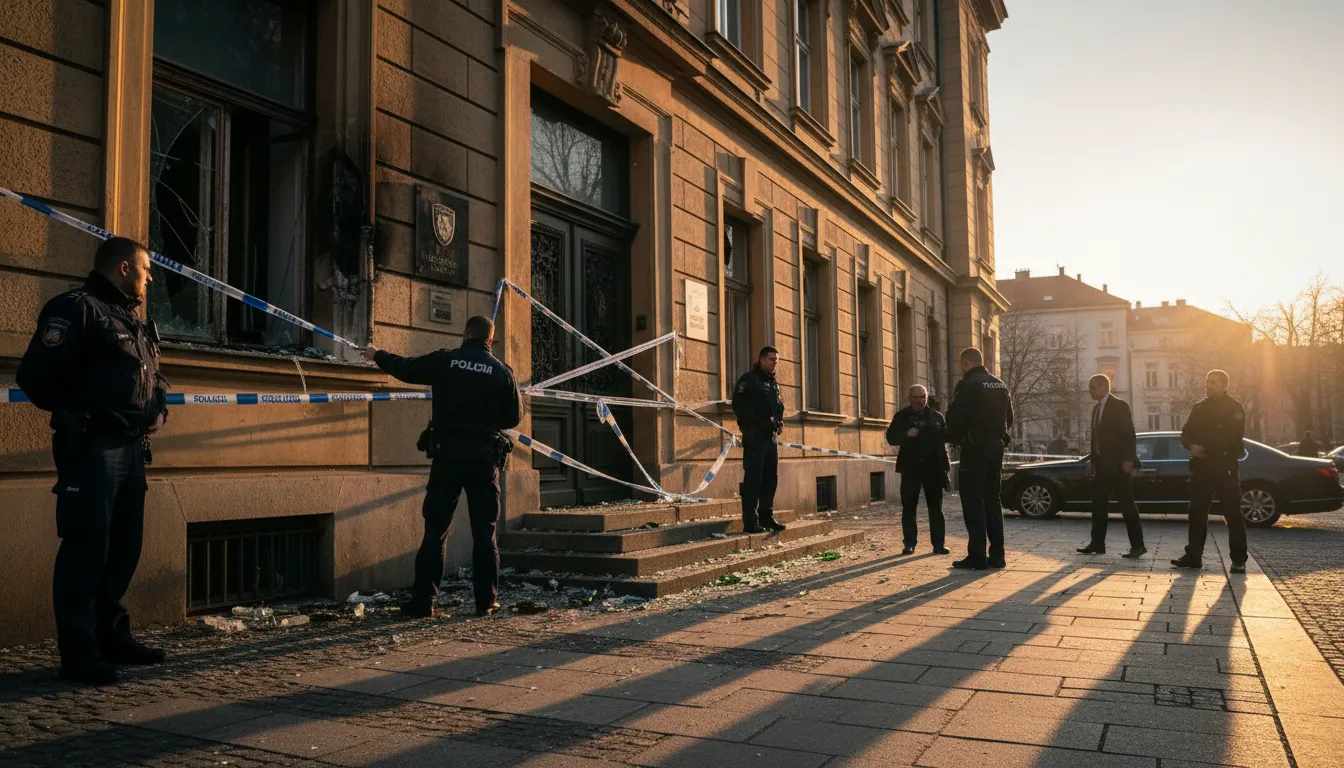
The Russian Foreign Ministry summoned Czech Ambassador to Moscow Daniel Koštoval on Friday, March 27, and presented him with a note of protest. The reason was Thursday evening's attack on the building of the Russian Centre of Science and Culture – known as the Russian House – in Prague's Dejvice district. Russian Foreign Ministry spokeswoman Maria Zakharova described the incident as a "barbaric act" and demanded a thorough investigation and increased security measures at Russian diplomatic facilities in Prague.
How the Attack Unfolded
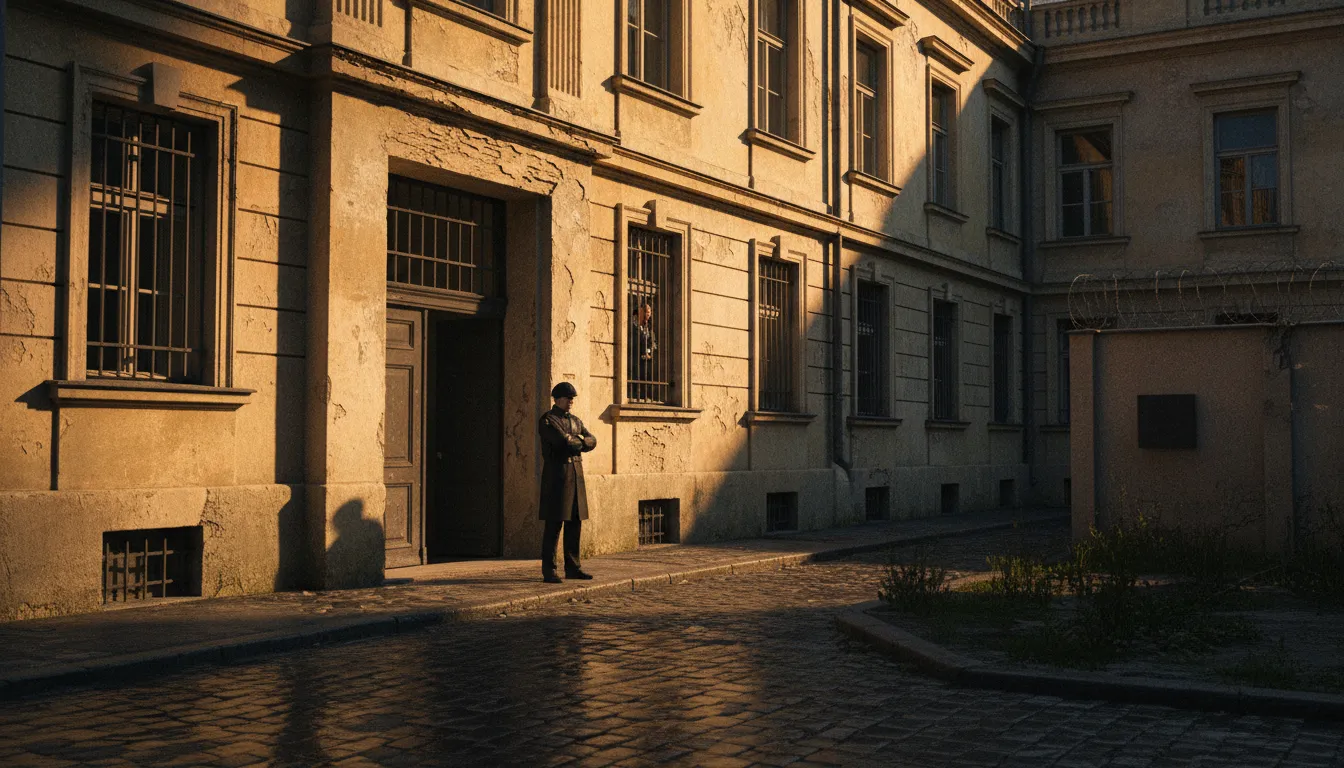
According to the center's director, Igor Girenko, the perpetrator first threw stones to break windows and then used Molotov cocktails. A total of six Molotov cocktails hit the building on Na Zátorce street – three exploded on the facade, leaving visible traces of fire, and the other three penetrated a broken window into the library on the first floor, but fortunately did not ignite.
"Thank God no one was inside," Girenko said, adding that the center had a concert planned for that evening, which was postponed for security reasons. According to the center's management, the attack was carried out by one or two people. The Czech police are investigating the case on suspicion of damage to property, which carries a prison sentence of up to six years.
Czech Response
The Czech Foreign Ministry condemned the attack and stressed that "violent attacks on any objects" are unacceptable. Interior Minister Lubomír Metnar (ANO) confirmed that the police are ready to strengthen security measures around Russian facilities in Prague if necessary. The Czech side thus took a clear stance against violence, without backing down from criticism of Russian foreign policy.
Russian House at the Center of Disputes
The Russian House in Dejvice has been operated since 1971 by the state agency Rossotrudnichestvo, which found itself on the European Union's sanctions list after the Russian invasion of Ukraine. The building does not have the status of a diplomatic object and does not enjoy immunity. Czech security experts and the BIS (Security Information Service) have warned in the past that the center may serve as a platform for Russian propaganda and intelligence activities.
In 2023, the center's director was expelled from the Czech Republic on suspicion of espionage. The incident thus fits into the broader context of deteriorating Czech-Russian relations, which were fractured by the case of the explosions at the ammunition depots in Vrbětice in 2014, the investigation of which in 2021 led to the mass expulsion of dozens of Russian diplomats from Prague.
Diplomacy Under Pressure
Summoning an ambassador is a serious step in diplomatic protocol, although not unprecedented in the case of Czech-Russian relations. Moscow is trying to use the incident to put pressure on Prague and to reinforce the narrative of alleged "Russophobia" in Central Europe. Czech diplomacy faces a delicate task – to condemn violence and at the same time not to accept Russian rhetoric that conflates an individual criminal act with the overall attitude of the country.
The investigation into the attack has not yet yielded concrete results. The police are searching for the perpetrator and appealing to any witnesses to come forward.