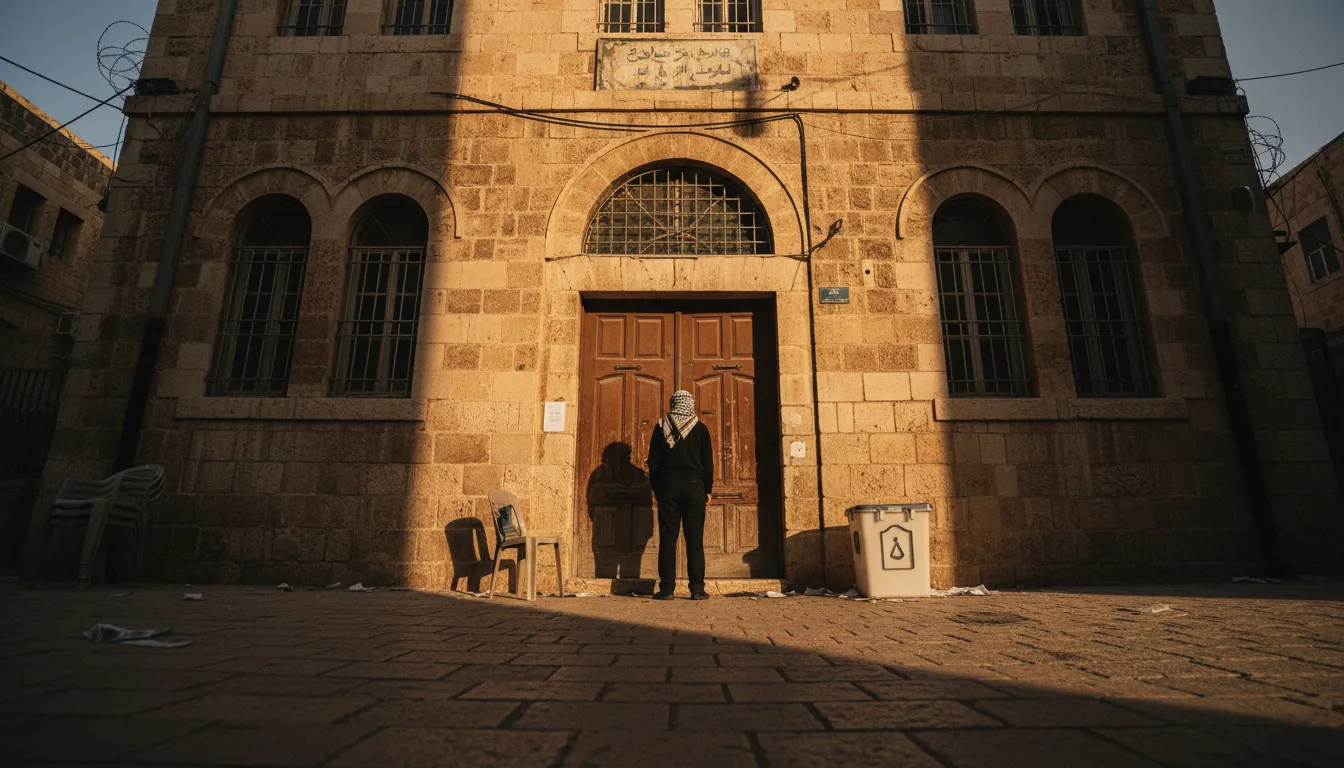
Spain Threatens to Strip Sagunto of Tourist Designation
The Spanish government has begun the process of revoking the National Tourist Interest designation of Sagunto's Holy Week celebrations after its brotherhood refused to admit women, in an unprecedented case pitting tradition against equality.
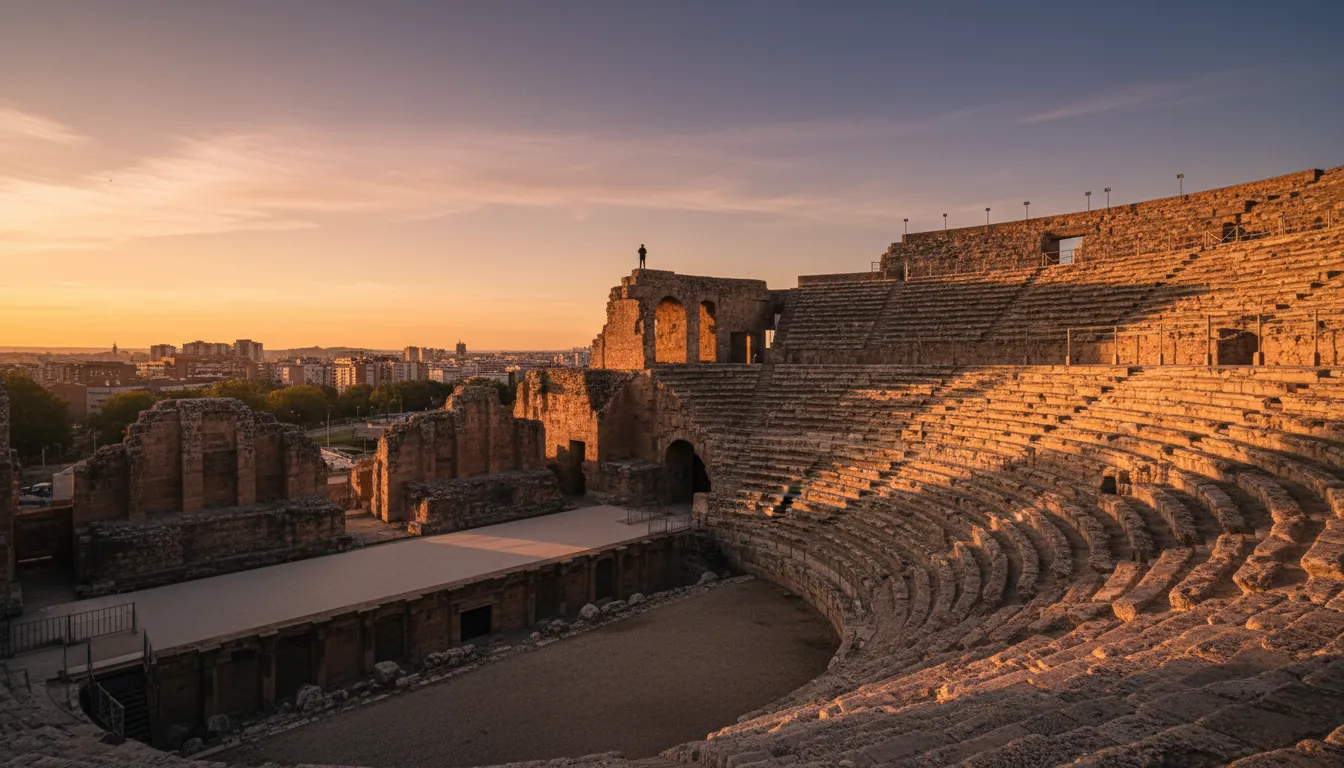
A Vote That Unleashed the Storm
The Brotherhood of the Most Pure Blood of Our Lord Jesus Christ of Sagunto (Valencia), founded in 1492, voted overwhelmingly in mid-March 2026—267 votes against and 114 in favor—against allowing women to participate in its processions and board of directors. Of the 1,700 members, all men, about 1,200 had the right to vote.
The decision, which maintains statutes dating back more than five centuries, provoked an immediate response from the central government: the opening of proceedings to revoke the Fiesta of National Tourist Interest designation that Sagunto's Holy Week has held since 2004. If consummated, it would be the first time in Spanish history that a festival has lost this distinction.
The Government's Response: Tourism and Equality in Joint Action
On March 23, the Secretary of State for Tourism announced the opening of the file, relying on Ministerial Order ICT/851/2019, whose Article 3 requires "citizen participation in the development of the festival" as a requirement to maintain the designation. According to the government, excluding women—51% of the population of Sagunto, with more than 33,000 registered—fundamentally violates this principle.
At the same time, the Minister of Equality, Ana Redondo, described the situation as "anachronistic" and described the brotherhood as "a sexist and discriminatory redoubt of inequality." The Ministry announced that it will refer the case to the Public Prosecutor's Office, considering that there is "discrimination and a violation of essential constitutional rights."
The loss of the title would imply the disappearance of public subsidies linked to the distinction and the exclusion of Sagunto from international tourist promotion as a Holy Week destination.
A Precedent from the Constitutional Court
The government's position is reinforced by Constitutional Court Judgment 132/2024, of November 2024, which ruled in favor of María Teresita Laborda, a woman excluded from the Pontifical, Royal and Venerable Slavery of the Holy Christ of La Laguna, in Tenerife, an entity that had only admitted men since 1659. The high court ruled that exclusion based on sex violates the fundamental rights of association and non-discrimination, even in private associations with significant social or cultural projection.
Since then, the Institute for Women has intervened with at least two other brotherhoods with similar restrictions: the Marraja Brotherhood of Murcia and the Dulce Nombre de Jesús Brotherhood of Valera de Abajo, in Castilla-La Mancha.
Tradition vs. Rights: An Open Debate
Defenders of the brotherhood argue that its statutes are part of a centuries-old tradition protected by religious freedom and freedom of association. However, from the Assembly for an Inclusive Holy Week, its spokesperson Blanca Ribelles lamented the result: "It's like hitting a wall. We have lost a historic opportunity to change things from within," she declared, recalling that they have been fighting unsuccessfully for five years.
The Sagunto City Council issued an official statement advocating for "the full integration of women" into the brotherhood and its Holy Week, thus distancing itself from the brotherhood's position.
The Sagunto case is shaping up as a turning point in the relationship between traditional religious institutions and equality policies in Spain. The resolution of the file—which could take months—will set a precedent for dozens of brotherhoods that still maintain gender restrictions in their statutes.