New CRISPR Tool Strips Bacteria of Drug Resistance
Scientists at UC San Diego have developed pPro-MobV, a CRISPR-based gene-drive system that spreads through bacterial communities and disables antibiotic resistance genes — potentially restoring the power of existing drugs against superbugs.
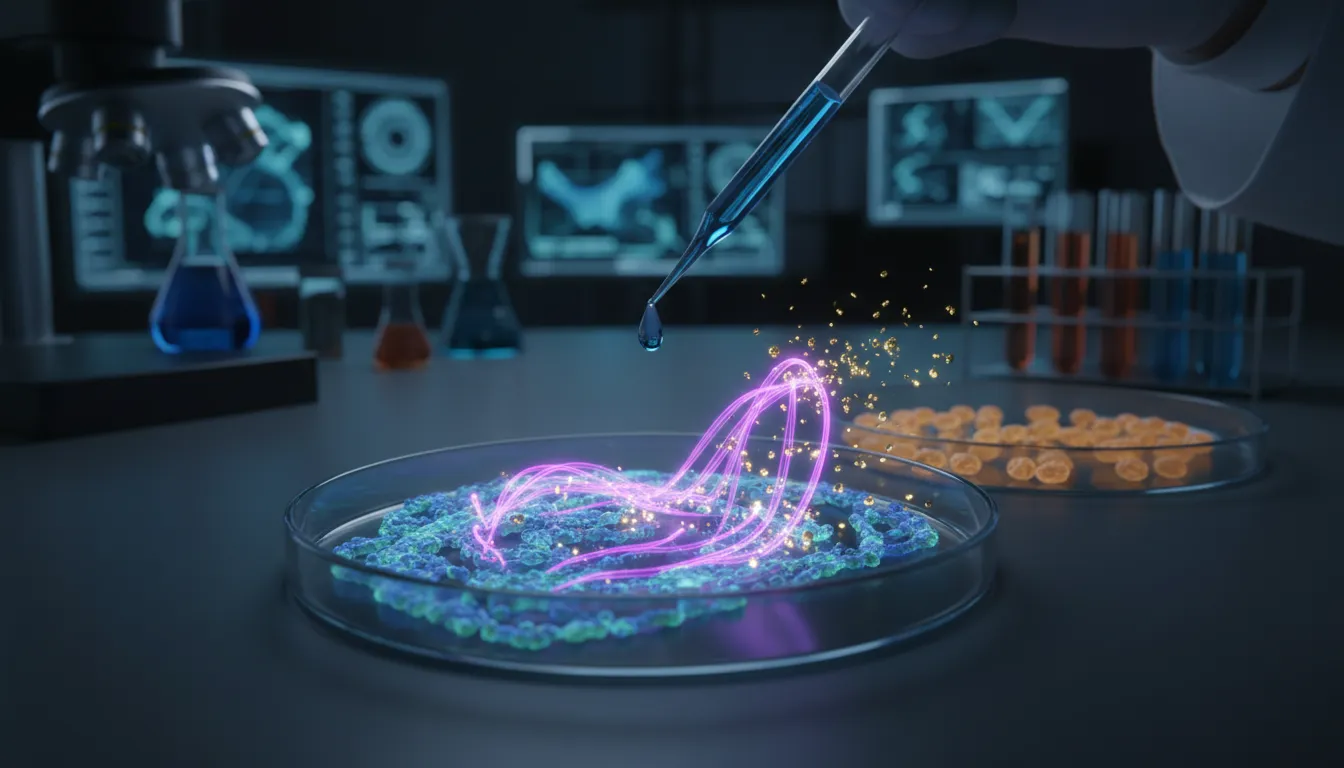
A New Weapon in the War Against Superbugs
Antibiotic resistance is one of medicine's most urgent crises. Bacteria that once yielded to a simple penicillin course now shrug off entire classes of drugs, leaving patients with few treatment options. Now, researchers at the University of California San Diego have unveiled a CRISPR-based tool that could change that calculus — not by creating new antibiotics, but by making old ones work again.
Gene-Drive Logic, Applied to Bacteria
The technology, called pPro-MobV, is a second-generation Pro-Active Genetics system inspired by gene drives — a concept previously applied to insect populations to curb the spread of diseases like malaria. Professors Ethan Bier and Justin Meyer of UC San Diego's School of Biological Sciences adapted this logic for the microbial world, creating a tool that spreads through bacterial communities and disables the very genes that confer drug resistance.
"With pPro-MobV we have brought gene-drive thinking from insects to bacteria as a population engineering tool," said Professor Bier.
The system works through conjugal transfer — essentially bacterial mating — distributing a genetic cassette from cell to cell. Once inside, the cassette targets and destroys resistance genes carried on plasmids, the small circular DNA molecules bacteria use to trade traits like drug resistance across populations. The result: bacteria that once rendered antibiotics useless are stripped of their defenses and become vulnerable once again.
Reaching Where Antibiotics Cannot
One of the most persistent obstacles in treating resistant infections is the biofilm — a protective slime layer that bacterial communities construct around themselves, shielding them from drugs and disinfectants. Hospitals, water treatment plants, and aquaculture facilities are routinely plagued by these microbial fortresses. Critically, pPro-MobV is effective inside biofilms, penetrating this shield where conventional treatments fail.
The system can also be delivered via bacteriophages — viruses that naturally hunt and infect bacteria — providing an additional delivery route that broadens its reach. Safety mechanisms are built in: if necessary, researchers can remove the genetic cassette from a population, providing a crucial biological off-switch.
A Crisis That Cannot Wait
The stakes are enormous. Antibiotic-resistant infections already kill hundreds of thousands each year. The World Health Organization and independent researchers have projected that, without intervention, superbugs could claim more than 10 million lives annually by 2050 — surpassing cancer as a leading cause of death worldwide.
Environmental transmission — from farms, hospitals, and wastewater — is estimated to drive roughly half of all resistance cases, meaning solutions must work beyond the clinic. The researchers say pPro-MobV is designed precisely for these settings, targeting resistant bacteria not just in patients but in the environments where resistance originates and spreads.
Peer-Reviewed and Promising
The research, funded by the National Institutes of Health and the Howard Hughes Medical Institute, was published in npj Antimicrobials and Resistance, a Nature journal, in February 2026. It marks one of the rare approaches that actively reverses antibiotic resistance, rather than merely slowing its spread.
Clinical applications remain years away, and scaling the technology from laboratory cultures to real-world ecosystems will pose significant challenges. But as resistant bacteria continue to outpace drug development, tools like pPro-MobV represent a critical new front: instead of chasing ever-stronger antibiotics, scientists are learning to disarm superbugs from within.