Orbán Deploys Troops to Energy Facilities Amid Ukraine Tensions
Prime Minister Viktor Orbán has ordered troops and police to guard Hungary's critical energy infrastructure after Ukraine suspended oil transit through the Druzhba pipeline on January 27. The crisis deepens in the shadow of the April 12 parliamentary elections, as Orbán accuses Zelenskyy of "state terrorism."
Military Alert at Energy Facilities
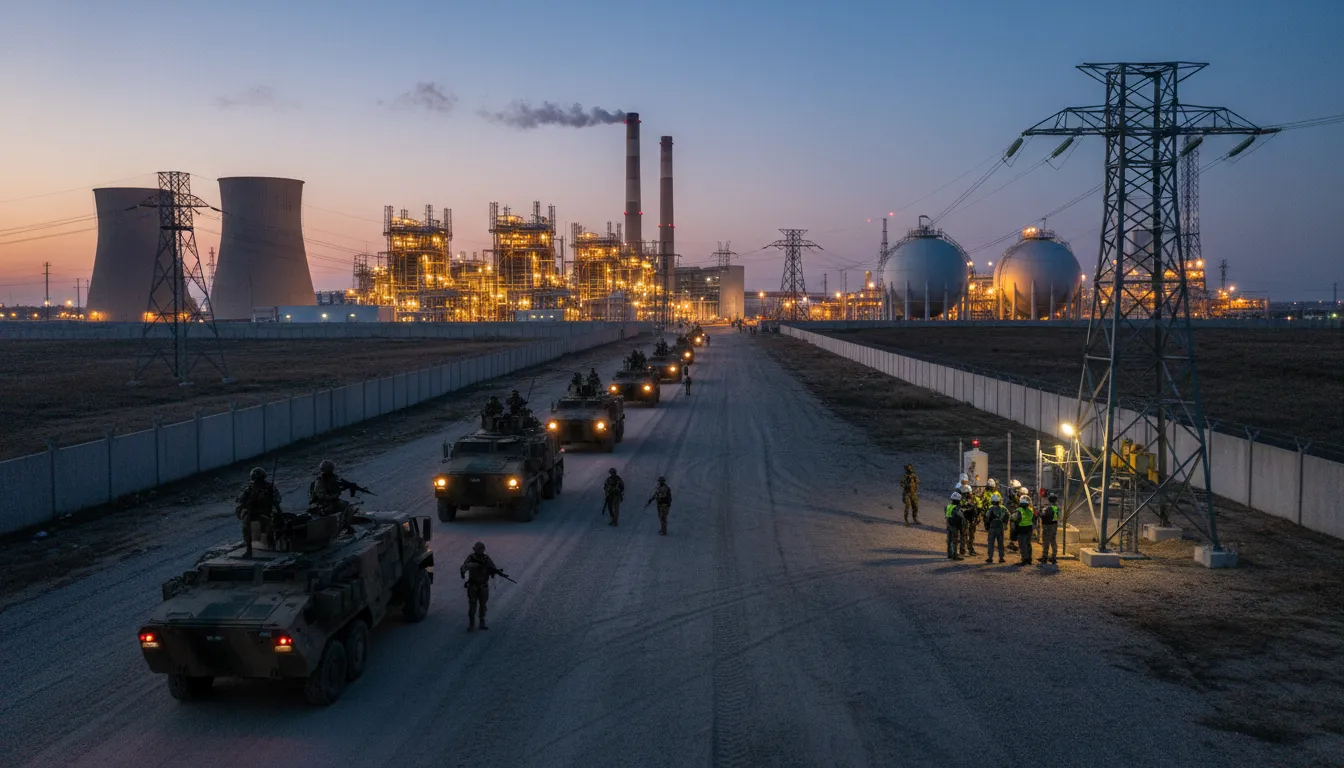
Prime Minister Viktor Orbán ordered on February 25 that soldiers and police protect Hungary's key energy facilities and declared a no-drone zone in areas near the Ukrainian border. "I have deployed soldiers and the necessary equipment near critical energy infrastructure to repel potential attacks," Orbán said. The Prime Minister stated that intelligence information suggests Ukraine is planning further steps to disrupt Hungary's energy system, but presented no concrete evidence.
The "Oil Blockade" and Accusations of State Terrorism
The crisis erupted on January 27 when Ukraine suspended the transit of Russian oil through the Druzhba pipeline. Kyiv claims a Russian drone strike damaged the pipeline, and repairs will take time. However, Budapest and Bratislava consider the shutdown politically motivated sabotage, arguing that the technical conditions are in place for a restart.
Orbán accused Ukrainian President Volodymyr Zelenskyy of lying in an open letter, calling the matter an "oil blockade." The Hungarian Prime Minister went even further, branding Kyiv's policy as "state terrorism," alluding to the 2022 explosions of the Nord Stream gas pipelines. Zelenskyy dismissed the entire narrative as an election campaign ploy.
Brussels Vetoes and EU Tensions
Budapest is also using the Druzhba issue as leverage at the EU level: Hungary vetoed the EU's €90 billion aid package for Ukraine and blocked the 20th round of sanctions against Russia. In response, the European Commission called on Ukraine to carry out repairs as soon as possible and recommended the Adria oil pipeline in Croatia as an alternative supply route. Most EU member states view Budapest's actions as blatant blackmail.
Hungarian-Slovak Joint Investigation Committee — Kyiv Denies Entry
As a result of the Orbán-Fico talks, Hungary and Slovakia established a joint investigation committee to assess the condition of the Druzhba pipeline. The committee requested an on-site inspection in Ukraine, but — according to Slovak Prime Minister Robert Fico — Zelenskyy did not grant permission for entry. The Slovak ambassador was also not allowed to view the allegedly damaged section.
Electoral Backdrop: Fidesz in an Increasingly Weak Position
The Druzhba crisis unfolds in the shadow of the April 12 parliamentary elections, where Orbán's Fidesz party faces a serious challenge. According to Bloomberg, Péter Magyar's Tisza Party currently leads by 20 percentage points among decided voters — the difference was only 12 points in January. Péter Magyar has publicly criticized Orbán's communication, arguing that the Prime Minister is creating panic and using the energy crisis for political purposes. Some analysts believe the "oil blockade" narrative is partly an election maneuver against the opposition's gains.
Summary
The Druzhba crisis is simultaneously an energy, diplomatic, and domestic political struggle. While Hungary and Slovakia demand the pipeline be restarted as soon as possible, Ukraine emphasizes the need for necessary repairs. The EU is in a double bind: between solidarity with Ukraine and maintaining energy stability. How the crisis ends may partly depend on the outcome of the April 12 elections.