Orbán Threatens Further Action Against Ukraine Amid Pipeline Dispute
Prime Minister Viktor Orbán has threatened further sanctions against Ukraine amid an escalating dispute over the oil pipeline, while Hungary and Slovakia are blocking a €90 billion EU loan to Kyiv.
Escalation Around the Druzhba Oil Pipeline
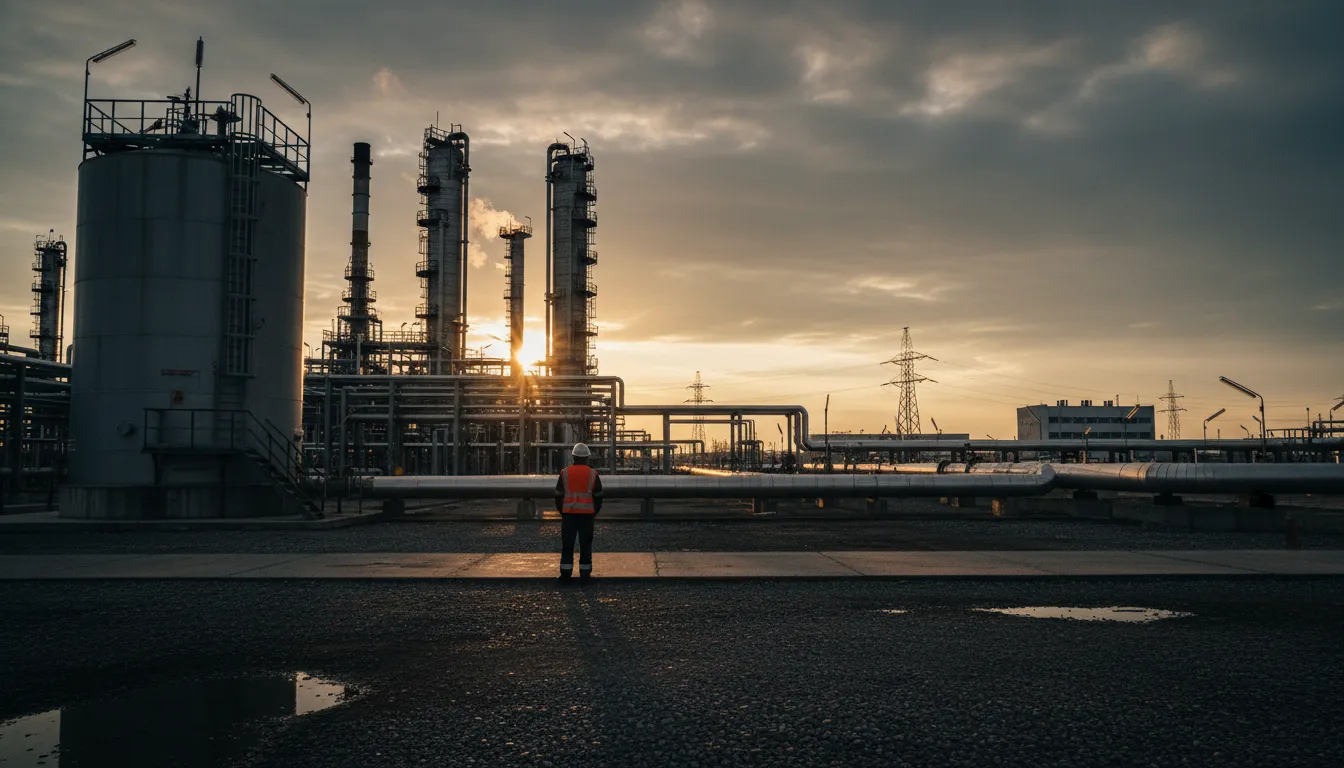
Prime Minister Viktor Orbán has threatened further measures against Ukraine following the EU summit in the dispute surrounding the Druzhba (Friendship) oil pipeline. The Hungarian Prime Minister stated at a press conference in Brussels: "We have many cards in our hand, so I don't think it's worth picking a fight with Hungary."
The root of the conflict dates back to the end of January, when Russian oil supplies were halted on the Druzhba pipeline. Ukraine claims that a Russian drone strike caused damage to the infrastructure, while Orbán claims that Kyiv is deliberately sabotaging deliveries to trigger an energy crisis before the Hungarian elections on April 12.
The List of Threats Grows
The Prime Minister listed specific steps Hungary could take to exert pressure on Ukraine. Orbán pointed out that 40 percent of Ukraine's electricity supply passes through Hungary: "We haven't touched that yet," he said. In addition, he threatened:
- To veto new EU sanctions against Russia, which require unanimous approval;
- To block the EU's seven-year budget if it includes support for Ukraine;
- To further obstruct the already ongoing €90 billion loan program.
Hungary and Slovakia's Joint Veto
At the European Council summit in March, Hungary and Slovakia jointly blocked the €90 billion loan program for Ukraine for the period 2026-2027. The loan was intended to support the Ukrainian armed forces and stabilize the country's economy. Slovak Prime Minister Robert Fico indicated that Bratislava would maintain the veto even if Budapest's position changed – even in the event of a possible election defeat for Orbán.
António Costa, President of the European Council, responded firmly: "No one can blackmail the European Council. No one can blackmail the institutions of the European Union." Costa emphasized that the loan disbursement would take place based on the December agreement.
The EU's Conciliatory Offer and Kyiv's Response
The European Union has offered to provide technical assistance and funding to repair the Druzhba pipeline. Ukraine has accepted the offer, and EU experts are immediately available for the work. Ukrainian President Volodymyr Zelenskyy previously stated that the pipeline could be restored "within a month and a half" and rejected Orbán's accusations of blackmail.
Domestic Pressure: Fuel Crisis and Price Cap
The direct effects of the oil pipeline dispute are also affecting Hungarian consumers. In early March, the government introduced a price cap: the price of gasoline was set at 595 forints per liter and diesel at 615 forints. However, the situation of independent gas stations is critical – according to operators, the conditions are "worse than in 2022," when the previous price cap brought the sector to the brink of collapse. Many family businesses are threatening closure or protest actions.
The crisis is also exacerbated by the global rise in oil prices due to tensions in the Middle East, which further increases the gap between the capped price and the market price.
Electoral Stakes
The dispute cannot be separated from the domestic political context. Orbán faces his closest election battle on April 12, and anti-Ukraine rhetoric is a central element of his campaign. The Prime Minister portrays Zelenskyy as a threat to Hungarian energy security, while the opposition accuses him of using Russian oil dependence as a tool for political survival.