Orbán Vetoes €90 Billion Ukraine Aid Package
At the European Council summit in Brussels, Viktor Orbán maintained his veto of the €90 billion aid package for Ukraine, linking the decision to the restoration of the Druzhba oil pipeline. EU leaders sharply criticized the Hungarian Prime Minister's behavior.
Ninety Minutes of Debate, No Result
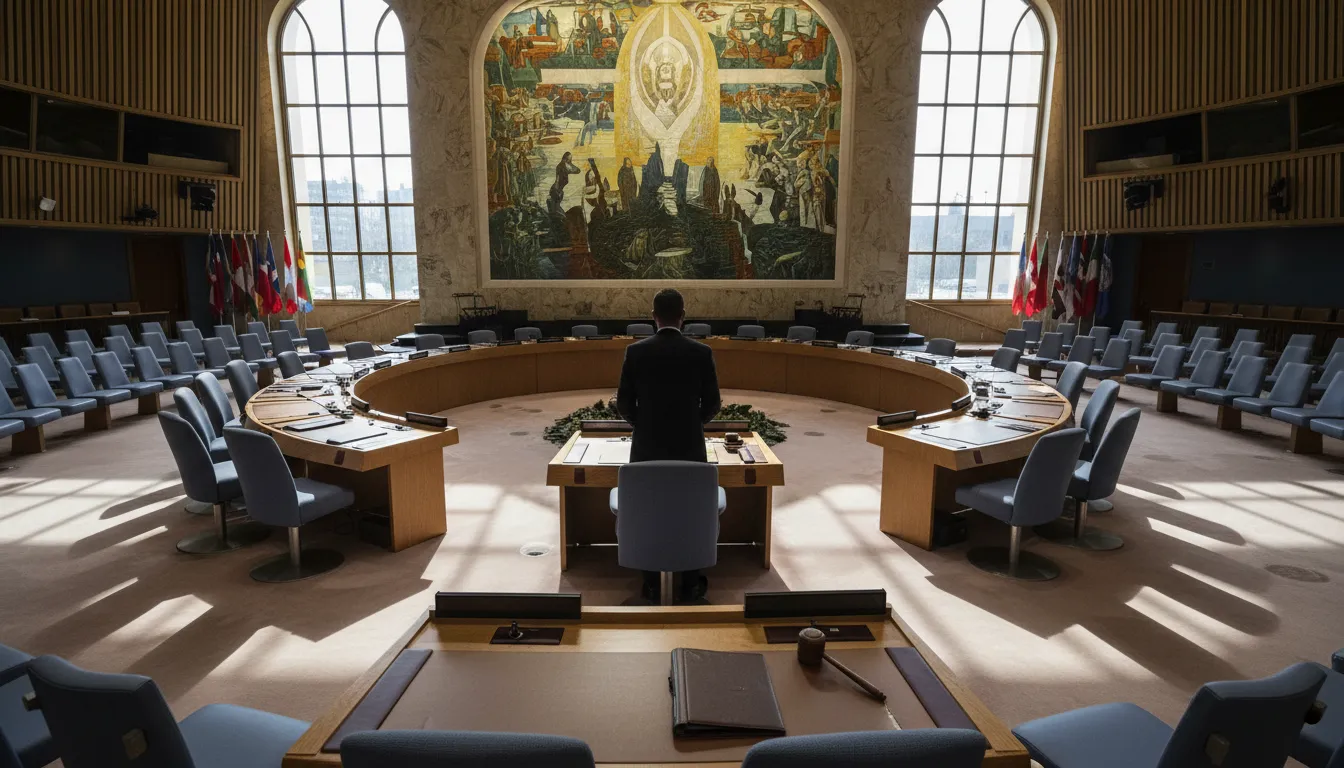
At the European Council summit in Brussels on March 19-20, Hungarian Prime Minister Viktor Orbán maintained his veto against the €90 billion aid package for Ukraine, which the EU had unanimously approved in December. Slovak Prime Minister Robert Fico joined the Hungarian blockade, resulting in the final conclusions being issued in the name of only 25 member states – creating an unprecedented situation in EU decision-making.
During the session, approximately ninety minutes of extremely tense debate saw twenty heads of state and government speak out, unanimously condemning the Hungarian behavior. Orbán later described the intensity of the debate as: "Well, it was rough!"
Oil for Aid: The Druzhba Pipeline Question
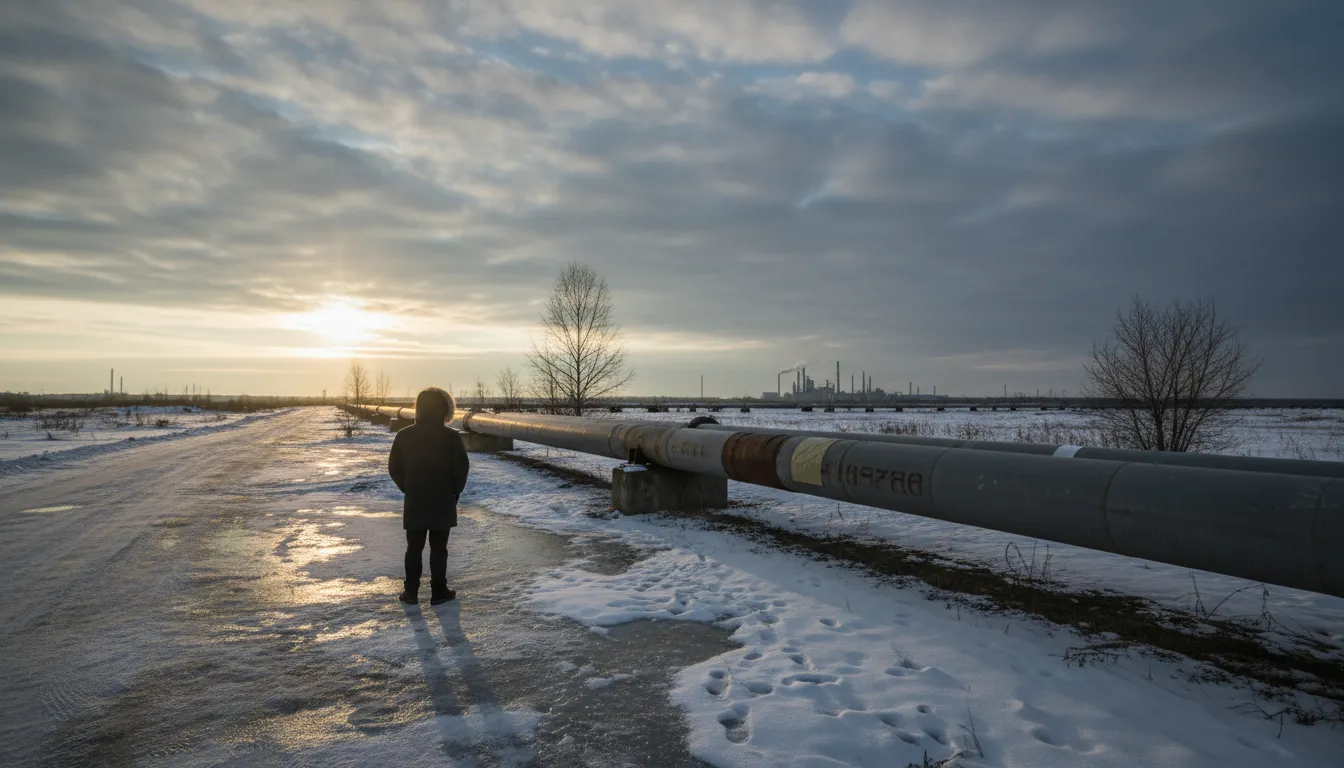
The Hungarian Prime Minister's position can be summarized in a simple formula: "If there is oil, there is money – if there is no oil, there is no money." Orbán justified his decision by citing the shutdown of the Druzhba (Friendship) oil pipeline in January due to a Russian attack, accusing Kyiv of deliberately hindering the restoration of oil supplies to Hungary and Slovakia.
The EU attempted a compromise even before the summit: Von der Leyen and Costa promised in a joint statement that the pipeline would be restored within 45 days using EU funds and expertise. Orbán dismissed this as a "charade" and insisted that Hungary receive the oil first.
The EU Leaders' Strong Response
European Council President António Costa struck an unusually sharp tone, stating: "No one can blackmail the institutions and decision-making." According to Costa, Orbán crossed a line that no other member state leader had previously crossed.
Dutch Prime Minister Rob Jetten called the Hungarian veto "unacceptable," while Finnish Prime Minister Petteri Orpo suggested that Orbán was using the Ukraine issue as a weapon due to the upcoming elections. Belgian Prime Minister Alexander De Croo suggested that the EU simply wait for the outcome of the Hungarian elections.
Electoral Calculation or Sovereignty Protection?
The timing of the veto is hardly accidental: just three weeks before the Hungarian parliamentary elections on April 12, Orbán is reinforcing the EU-skeptic and anti-Ukraine narrative. Sovereignty protection and energy security are key messages in Fidesz's campaign, while Péter Magyar's Tisza Party emphasizes that Hungary is heading towards isolation.
Ukrainian President Volodymyr Zelenskyy addressed the summit via video link, urging the swift release of the loan. Kyiv estimates that it will face a severe budget deficit in early May if the funding does not arrive by then – which will also test the EU's credibility in the medium term.
What's Next?
The situation is currently a stalemate: in addition to the Hungarian veto, Orbán is also blocking the approval of the anti-Russian sanctions package and the opening of Ukrainian accession negotiations. The coming weeks will be crucial for the EU – the question is whether they can find a legal solution to circumvent the Hungarian blockade, or whether the result of the April 12 elections will bring a turning point in the stalemate.