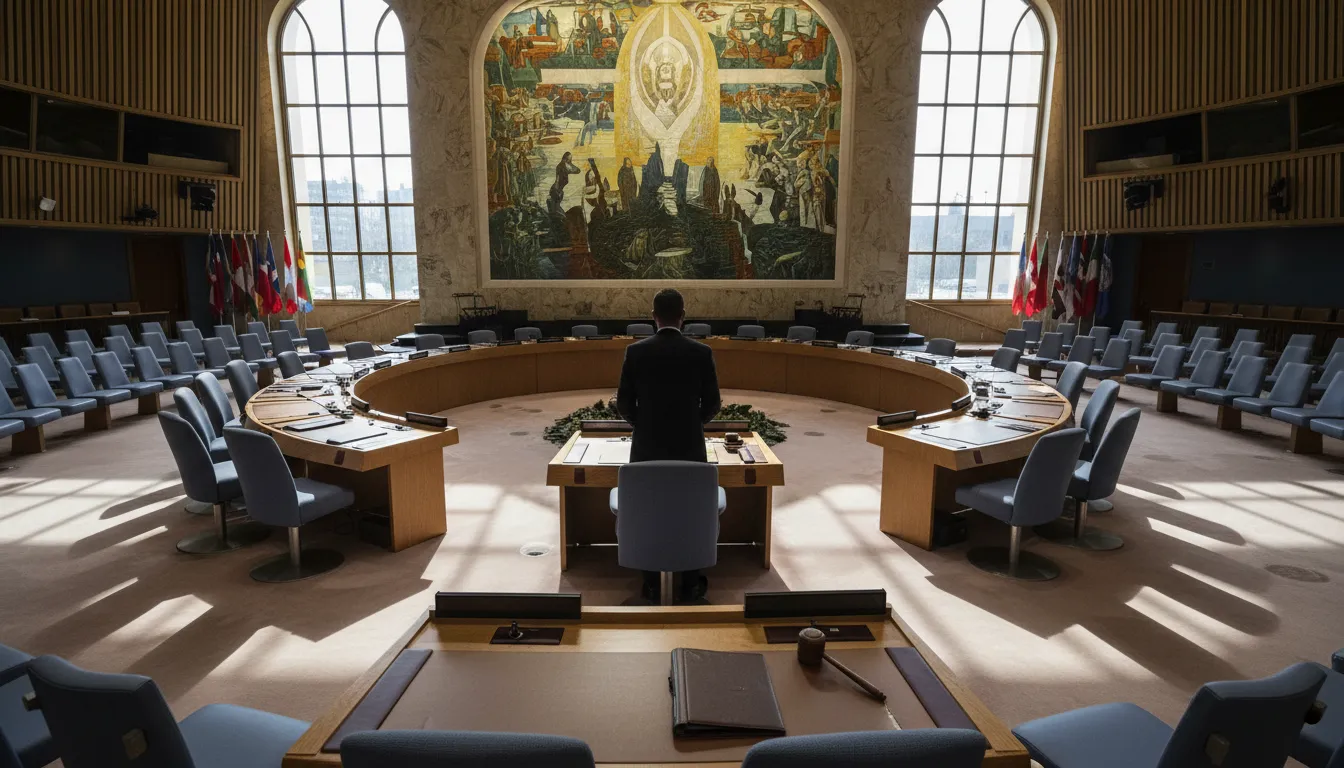
US Ends 12-Year Military Presence in Syria
The United States is withdrawing all 1,000 remaining troops from Syria, ending a military engagement that began in 2014. Ordered by President Trump, the pullout reshapes Middle East security and leaves America's Kurdish allies facing an uncertain future.
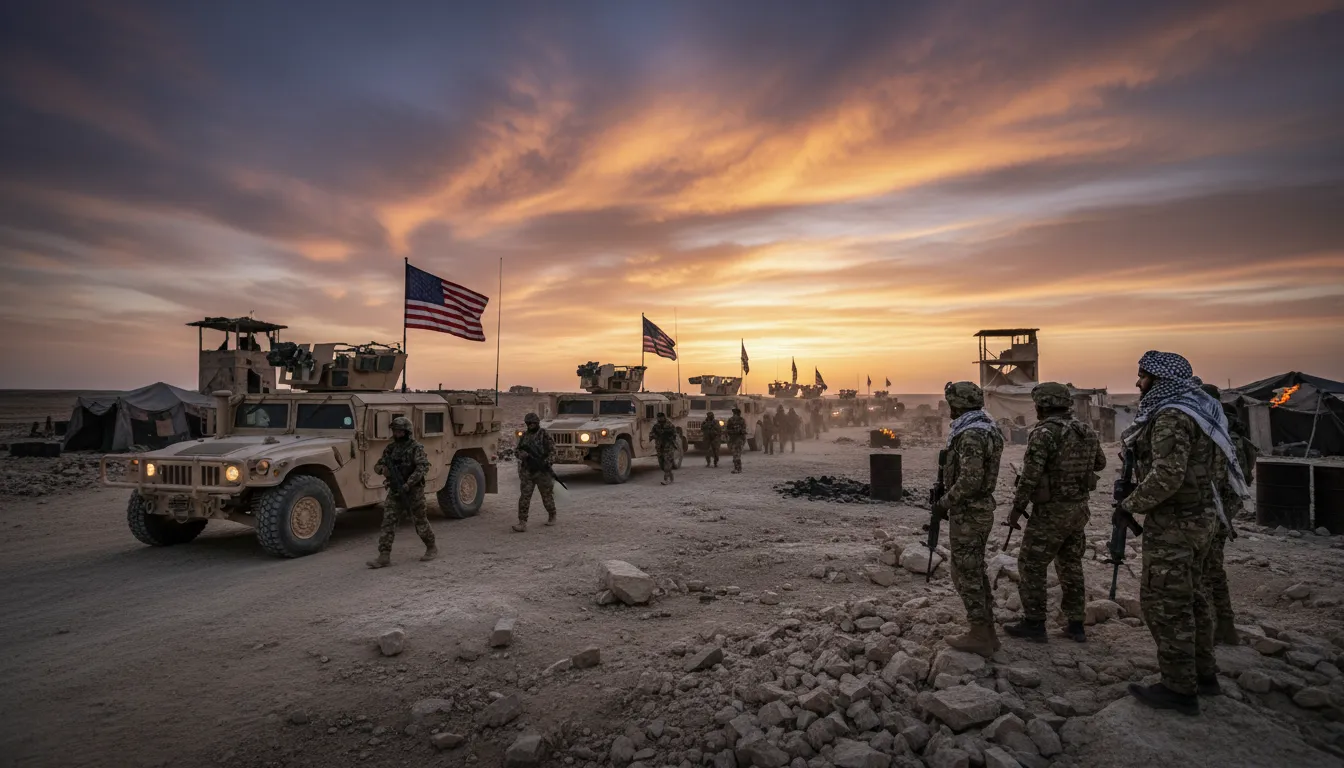
A Historic Exit
The United States military is pulling its remaining approximately 1,000 troops out of Syria, ending a military presence that began in 2014 under Operation Inherent Resolve — the coalition campaign to destroy the Islamic State (ISIS). President Donald Trump has ordered the complete withdrawal within two months, closing a chapter of American involvement that spanned more than a decade and reshaped the modern Middle East.
The strategic al-Tanf Garrison in southern Syria, a key hub for anti-ISIS operations near the borders of Iraq and Jordan, was among the first bases vacated, with CENTCOM confirming its departure on February 11. The remaining troops — concentrated in the northeast — are now expected to follow in the coming weeks.
Why Now?
The Trump administration argues the mission has largely run its course. A US-brokered ceasefire agreement signed on January 29 brought the Kurdish-led Syrian Democratic Forces (SDF) — Washington's primary anti-ISIS partner — into a framework for integration with the Syrian national army under interim President Ahmed al-Sharaa. US officials described the deal as "a significant step towards national unity and reconciliation."
With Damascus now willing and positioned to assume security responsibilities — including overseeing ISIS detention facilities — the administration contends that continued US boots on the ground are no longer justified. Officials also stressed the Syria decision is unconnected to a separate US naval and air buildup elsewhere in the Middle East amid rising tensions with Iran.
Risks and Dissent
Not everyone is convinced. Critics, including Republican senators and former officials, warn that a full pullout risks a dangerous vacuum. ISIS, while territorially defeated, retains a clandestine presence in desert areas across eastern Syria and Iraq, and analysts say the group has been quietly regrouping and increasing attacks.
The fate of tens of thousands of ISIS detainees held in SDF-run camps and prisons is a particular flashpoint. Reports indicate that hundreds of fighters escaped from detention facilities when SDF guards came under attack during the northeastern Syria offensive earlier this year. A large-scale prison break could significantly accelerate ISIS's rebuilding effort.
A Bitter Blow for the Kurds
The withdrawal is a painful blow to Syria's Kurdish community. The SDF lost thousands of fighters in the campaign against ISIS, battling side by side with US troops in some of the war's most brutal engagements. Kurdish leaders and their supporters abroad now describe the US pullout as a betrayal — one whose repercussions extend well beyond Syria's borders.
Analysts at Chatham House warn the episode sends a damaging signal to minority communities and US allies worldwide: that American security guarantees are conditional and reversible. Kurdish political movements in Iraq, Turkey, and Iran are watching closely.
Reshaping the Region
The broader geopolitical consequences are significant. Russia, Turkey, and Iran — each with competing interests in Syria — stand to gain influence as American leverage evaporates. Turkey, which views the Kurdish SDF as an extension of the PKK militant group, may accelerate military operations in northern Syria once US forces are fully withdrawn.
The exit also marks a decisive turn in Trump's foreign policy doctrine of reducing costly overseas commitments. Whether Syria can stabilize under the new al-Sharaa government — or slide back into conflict — may ultimately be the defining test of that calculation.