Zelenskyy Invites Fico to Kyiv Amid Druzhba Pipeline Dispute
Ukrainian President Volodymyr Zelenskyy has invited Slovak Prime Minister Robert Fico to visit Kyiv, proposing March 6th or 9th as potential dates. Discussions are expected to focus on restoring oil supplies via the Druzhba pipeline, which has been out of operation since late January.
Invitation from Kyiv
During a phone call on February 27, 2026, Ukrainian President Volodymyr Zelenskyy invited Slovak Prime Minister Robert Fico to direct talks in Kyiv. Dmytro Lytvyn, an advisor to the Ukrainian presidential office, announced that Kyiv is proposing two possible dates — March 6th or 9th — and wants to discuss "all current issues" in mutual relations.
Fico accepted the invitation but indicated a preference for a meeting on the territory of an EU member state. Diplomatic tensions remain high: the Slovak side believes that Kyiv has no intention of resuming oil transit, while Ukraine insists that the situation is a direct consequence of Russian aggression.
Month Without Oil via Druzhba
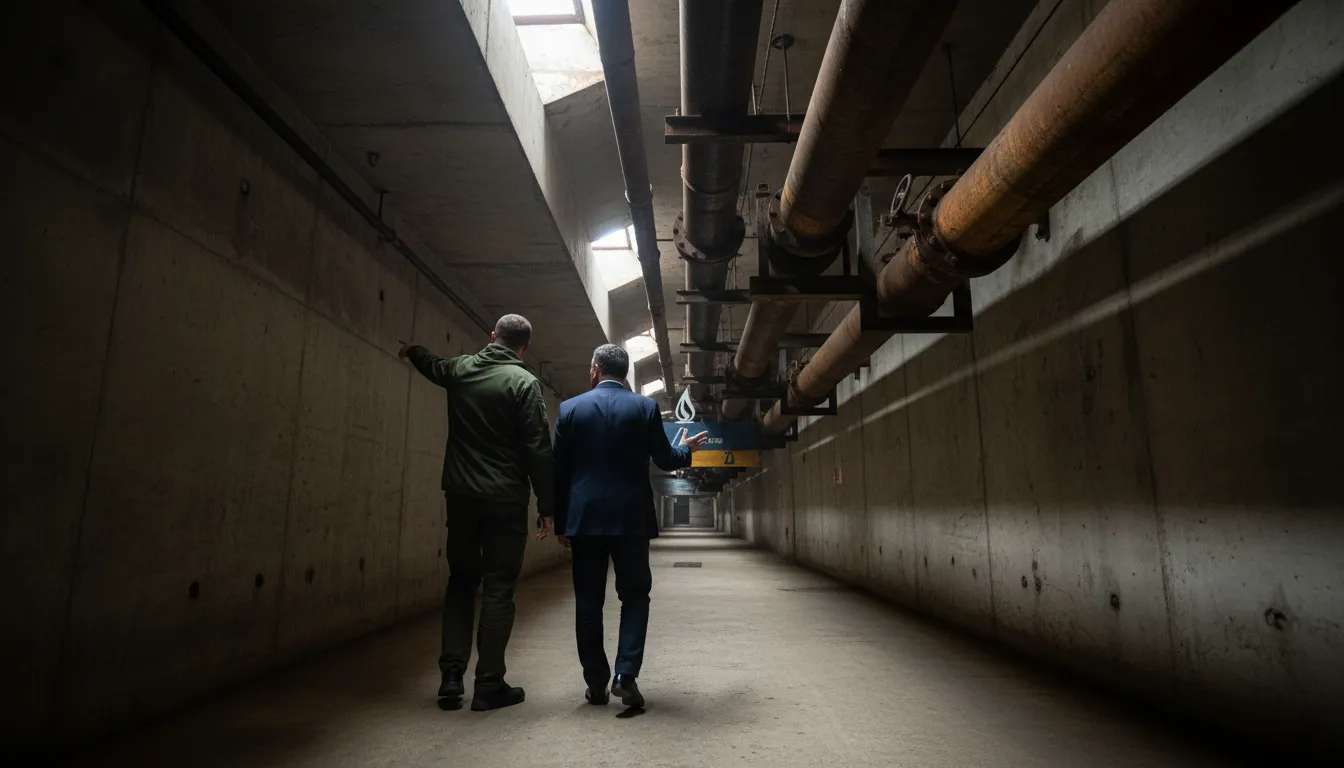
At the heart of the dispute is the Druzhba pipeline, which has not transported Russian oil to Slovakia or Hungary since January 27, 2026. Kyiv explains the outage as damage to infrastructure during a Russian attack on a pumping station in Brody, Lviv region. Bratislava and Budapest question this version and suspect the Ukrainian side of political motivation.
After the phone call with Zelenskyy, Fico publicly stated that he came away from the conversation with a "clear feeling that Kyiv has no interest in resuming oil transit." Ukrainian officials deny this — and that is precisely why, according to them, Fico is receiving an invitation for personal talks.
Shadow of Nord Stream and a Denied Inspection
Fico went further in his rhetoric, warning that Kyiv is capable of deliberately damaging the Druzhba pipeline, analogous to the destruction of the Nord Stream pipeline in 2022. Ukrainian officials have strongly rejected these claims. Lytvyn responded to Fico's statements by saying that "serious issues are resolved at the negotiating table, not through social media."
Fico, together with Hungarian Prime Minister Viktor Orbán, proposed establishing an expert group of representatives from the European Commission and EU member states to assess the actual condition of the pipeline. However, neither the Slovak ambassador in Kyiv nor the EU diplomatic representative were granted access to the pipeline. Zelenskyy justified the refusal with a "negative opinion from the Ukrainian secret service."
Slovakia Withdraws Energy Aid
As a retaliatory measure, Slovakia has suspended emergency electricity supplies to Ukraine. Fico conditioned their resumption on the restart of oil transit via Druzhba:
"We will help you only when oil flows to us again."The Slovak Electricity Transmission System (SEPS) confirmed that standard commercial electricity supplies continue — only so-called emergency aid has been suspended. According to Euronews reports, Slovakia has also stopped supplying gas and diesel to Ukraine.
Although analysts assess the symbolic impact of this step as greater than its practical effect — Ukraine has alternative supply routes through Poland, Romania, and Moldova — a coordinated approach by Slovakia and Hungary could significantly weaken Ukrainian energy security during the winter months.
What's at Stake
The planned talks in Kyiv — if they take place — would be the first direct meeting between Fico and Zelenskyy since December 2023, since when mutual relations have cooled significantly. For Slovakia, this is an economically sensitive matter: the country, along with Hungary, is the last EU member state importing Russian oil via Druzhba under a sanctions exemption. Any disruption to transit directly affects Slovak industry and consumers.