Zelenskyy Invites Fico to Kyiv Over Disrupted Druzhba Pipeline
Ukrainian President Volodymyr Zelenskyy has invited Slovak Prime Minister Robert Fico to Kyiv to discuss the resumption of the Druzhba (Friendship) oil pipeline, which was shut down in late January following a Russian drone strike. The conflict directly affects Hungary, with Budapest blocking the EU's €90 billion aid package to Ukraine, making the supply of the Százhalombatta refinery a strategic issue.
Zelenskyy Invites Fico for Talks
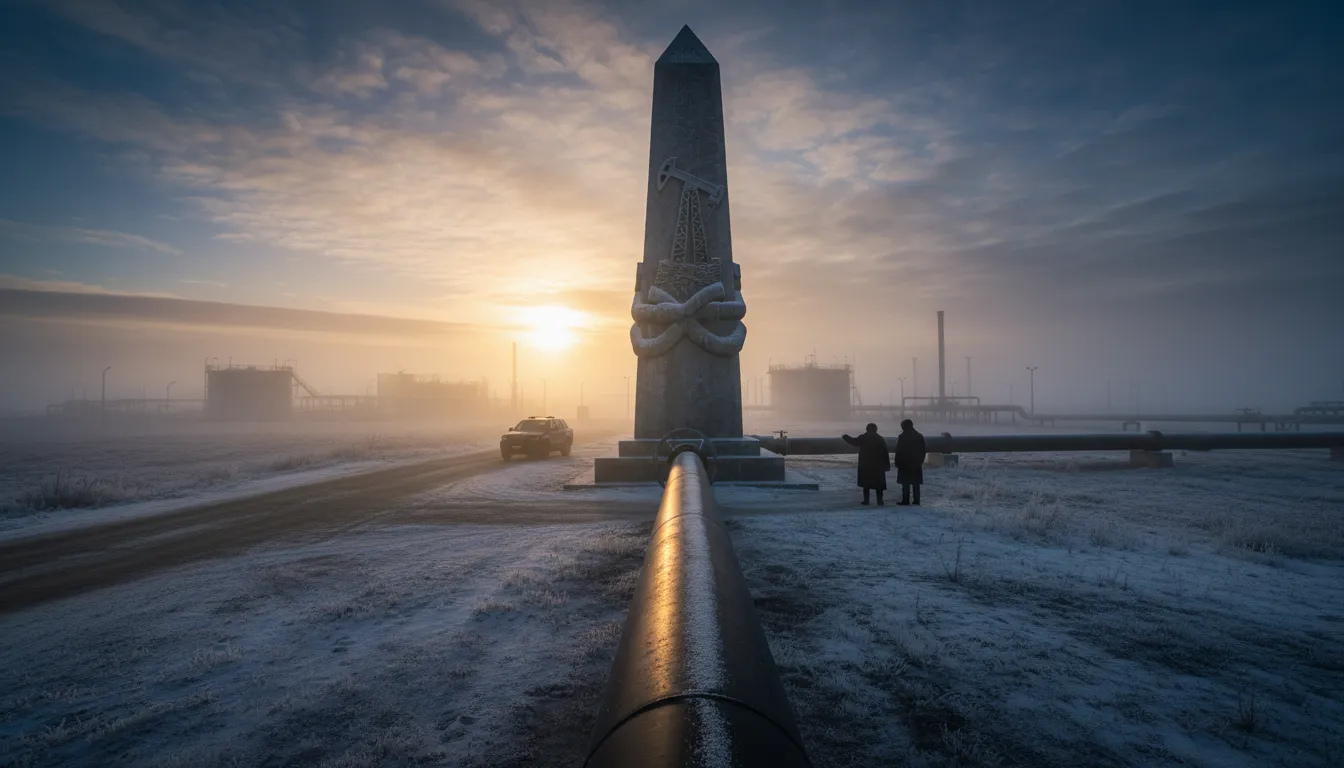
Ukrainian President Volodymyr Zelenskyy spoke with Slovak Prime Minister Robert Fico by phone on February 27 and invited him to Kyiv – with proposed dates of March 6 or 9 – to discuss the situation of the Druzhba oil pipeline and all issues of Ukrainian-Slovak cooperation. Fico accepted the invitation and instructed the relevant government bodies to coordinate the exact date of the meeting.
How Did the Druzhba Pipeline Shut Down?
The southern branch of the Druzhba oil pipeline ceased operations on January 27 after Ukraine announced that infrastructure near Brody in western Ukraine had been attacked by Russian drones. Moscow denies the damage; Budapest and Bratislava claim that the Ukrainian side is deliberately delaying the restoration. Fico believes that the shutdown is not the result of a technical issue but a political decision, and that Kyiv is not actually interested in resuming transit as soon as possible.
Ukraine Refuses On-Site Inspection
After the phone call, Fico publicly stated that he was not satisfied with the discussion. The Ukrainian side refused an on-site inspection by an independent group of experts, citing resistance from the Ukrainian secret service. Fico said that neither the Slovak nor the EU ambassador was allowed to inspect the site. At the same time, Hungarian Minister of the Prime Minister's Office Gergely Gulyás stated that, according to Hungary's information, there is no technical obstacle to restarting the Druzhba oil pipeline.
Strategic Stakes for Hungary
The Druzhba oil pipeline is crucial for Hungary's energy supply: nearly 90 percent of the country's oil imports arrive via this pipeline. The MOL refinery in Százhalombatta is optimized for Russian-type Urals crude oil – switching to alternative oil sources poses not only logistical but also serious technological and economic challenges.
Viktor Orbán described the Ukrainian move as an "oil blockade" and secured the country's critical energy infrastructure with military forces. Budapest has also frozen the approval of the EU's €90 billion aid package to Ukraine until oil supplies resume – this is also causing serious tension in the EU-Ukraine financing negotiations.
Retaliation and EU Mediation Attempt
Fico announced that Slovakia would stop emergency electricity supplies to stabilize Ukraine's electricity grid, which he described as a "reciprocal measure." Both countries have also suspended diesel exports to Ukraine. The European Commission called on Kyiv to speed up damage repair and proposed transport via the Croatian Adria pipeline as a temporary solution.
The March meeting in Kyiv – if it takes place – offers a crucial opportunity for the parties to reach a compromise on the resumption of transit. The stakes are not only energy-related: the conflict surrounding the Druzhba oil pipeline has also sharpened political fault lines within the EU and casts a long shadow on the future of Ukraine-EU relations.