107 Nations Back Ukraine Peace at UN — US Abstains
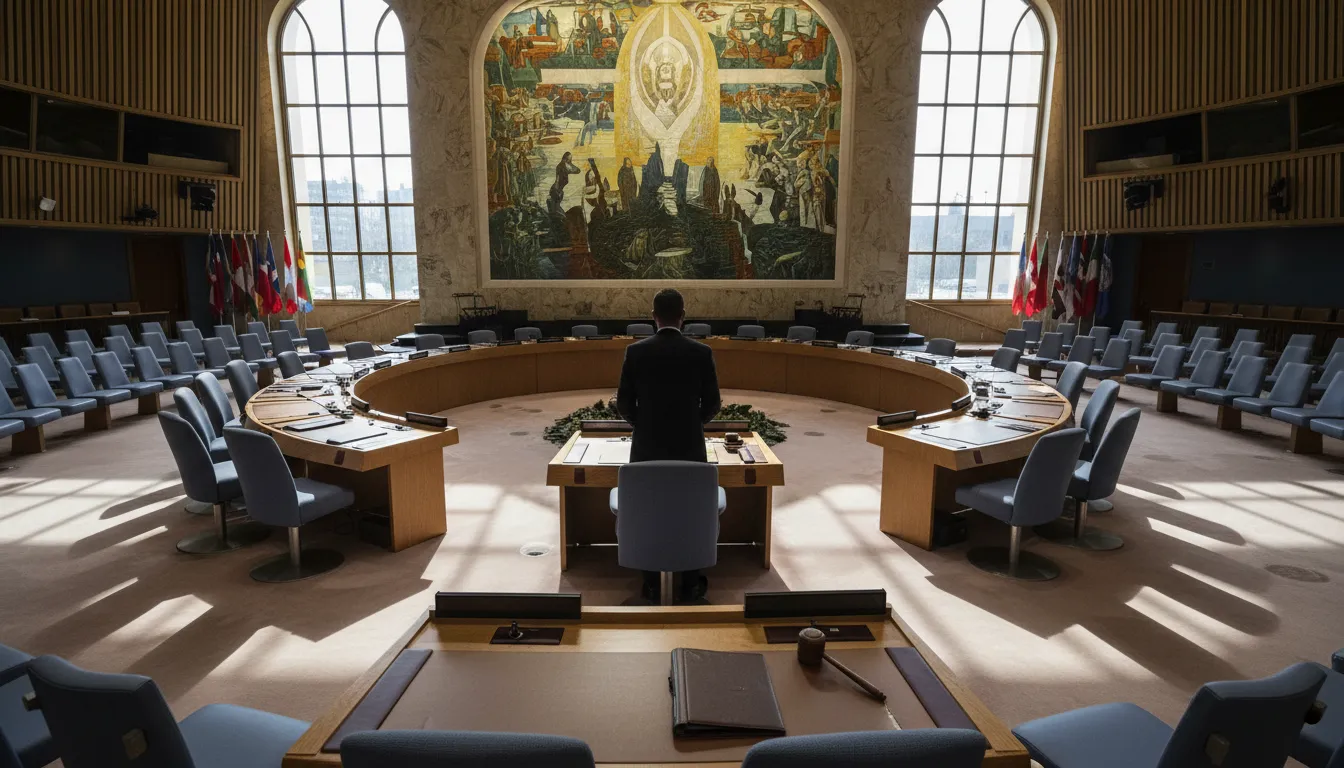
The UN General Assembly adopted a resolution on peace in Ukraine on February 24, 2026, with 107 votes in favor. However, the United States abstained due to a passage concerning territorial integrity. Hungary also abstained, the only EU member to do so.
Turning Point at the UN: 107 Yes, 51 Abstentions
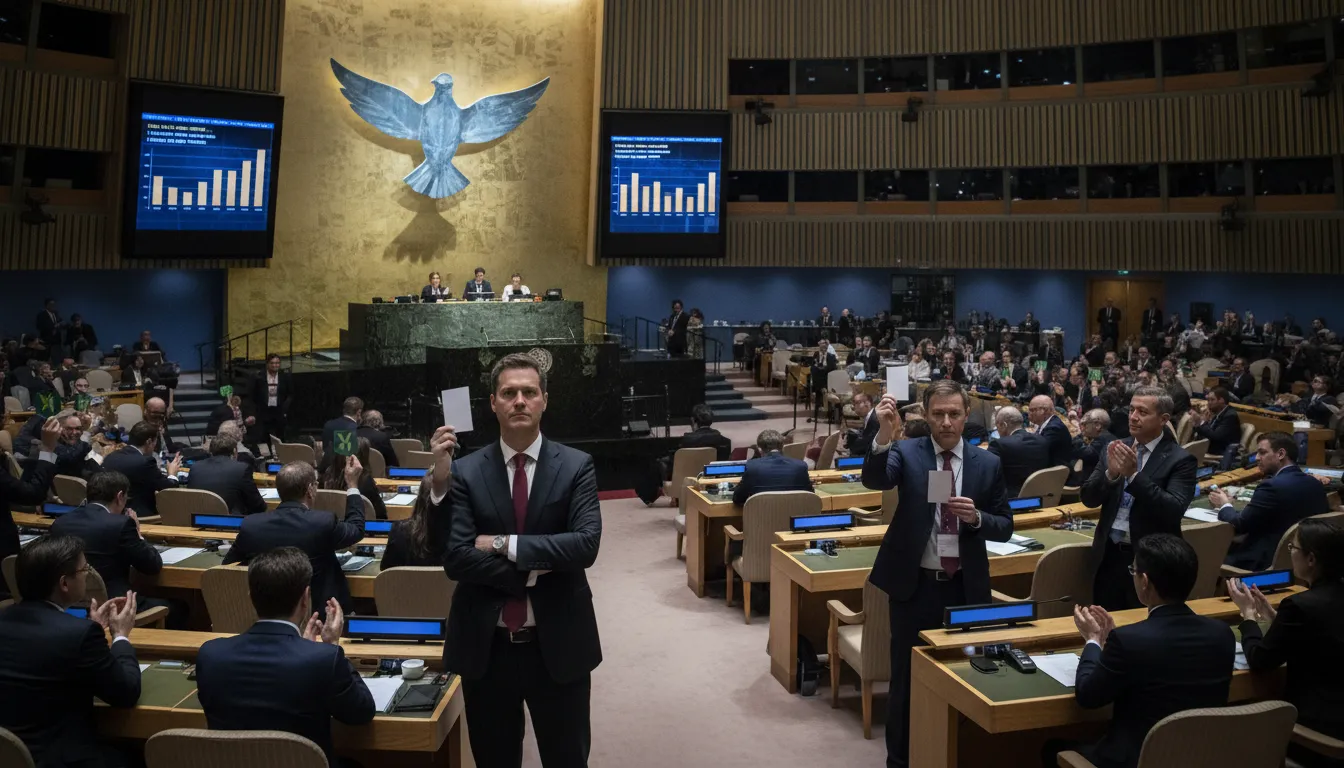
On February 24, 2026, the fourth anniversary of Russia's full-scale invasion of Ukraine, the UN General Assembly adopted the resolution entitled "Supporting a Lasting Peace in Ukraine" with 107 votes in favor, 12 against, and 51 abstentions. The resolution calls for an immediate, comprehensive, and unconditional ceasefire, as well as respect for Ukraine's sovereignty and territorial integrity within its internationally recognized borders.
Washington's Amendment Attempt Fails
Prior to the final vote, the Trump administration attempted to remove passages on territorial integrity and a just peace from the text. The amendment was overwhelmingly rejected by the General Assembly: only 11 countries supported it, 69 voted against, and 62 abstained. Subsequently, Washington also abstained in the main vote.
The US envoy to the UN argued that the United States is "closer to a deal than at any time since the outbreak of the war," and that a negotiated settlement should not be undermined by enshrining matters of principle in the text. This position drew sharp criticism from European allies, particularly because in February 2025, Washington had even voted alongside Russia against Ukraine. The current abstention therefore represents a shift, but it still does not restore unity with the EU.
Who Voted How?
Twelve countries voted against the resolution: Russia, Belarus, North Korea, Iran, Cuba, Burkina Faso, Burundi, Eritrea, Mali, Sudan, Nicaragua, and Niger. The abstainers included the United States, Hungary, China, Brazil, India, Serbia, and the United Arab Emirates.
It is particularly noteworthy that China, Brazil, and India – key powers of the Global South – also abstained, indicating that the international community is far from united in its unconditional support for Ukraine. This trend, in an increasingly multipolar world order, also narrows Ukraine's diplomatic room for maneuver.
Hungary's Maverick EU Policy
Budapest's abstention was unique among EU member states: the rest of the Union stood united behind Ukraine. The vote was not an isolated event: on February 23, Foreign Minister Péter Szijjártó announced that Hungary had vetoed the EU's 20th package of sanctions against Russia and the €90 billion European loan facility for Ukraine. Viktor Orbán accused Kyiv of taking "openly hostile steps" against Hungary, primarily referring to the suspension of Friendship oil pipeline deliveries.
With the 2026 parliamentary elections approaching, the Hungarian government's Ukraine policy has become a domestic political fault line: the opposition is calling for solidarity with EU allies, while the government is reinforcing the narrative of neutrality and peace talks.
What Does This Mean for Europe?
The vote carries a dual message. On the one hand, the vast majority of the world – 107 states – still rejects Russian aggression and stands by the principles of the UN Charter. On the other hand, the United States' abstention marks a sharp break between Washington and its traditional European allies: Brussels is now increasingly forced to hold the line in support of Ukraine alone. How to sustain military and financial support for Ukraine without the active involvement of the US is becoming an increasingly pressing question for Europe – especially when the EU's unity is also being weakened from within by some member states, including Hungary.